
The Role of Paper Products in Green Manufacturing
In our fast-paced world, paper products play a vital role in modern manufacturing. From packaging to documentation, these materials are essential for keeping processes running smoothly. They help protect goods during shipping, provide important product information, and ensure that everything is organized and compliant.
Paper products also bring cost-effectiveness to businesses. Their lightweight nature reduces shipping costs, making them a practical choice for many companies. Plus, they are easy to customize, allowing manufacturers to create tailored solutions that fit their needs perfectly.
In this blog post, we’ll explore the various ways paper products impact manufacturing processes and why they are so important in today’s industry. Let’s dive in!
The Role of Paper Products in Modern Manufacturing
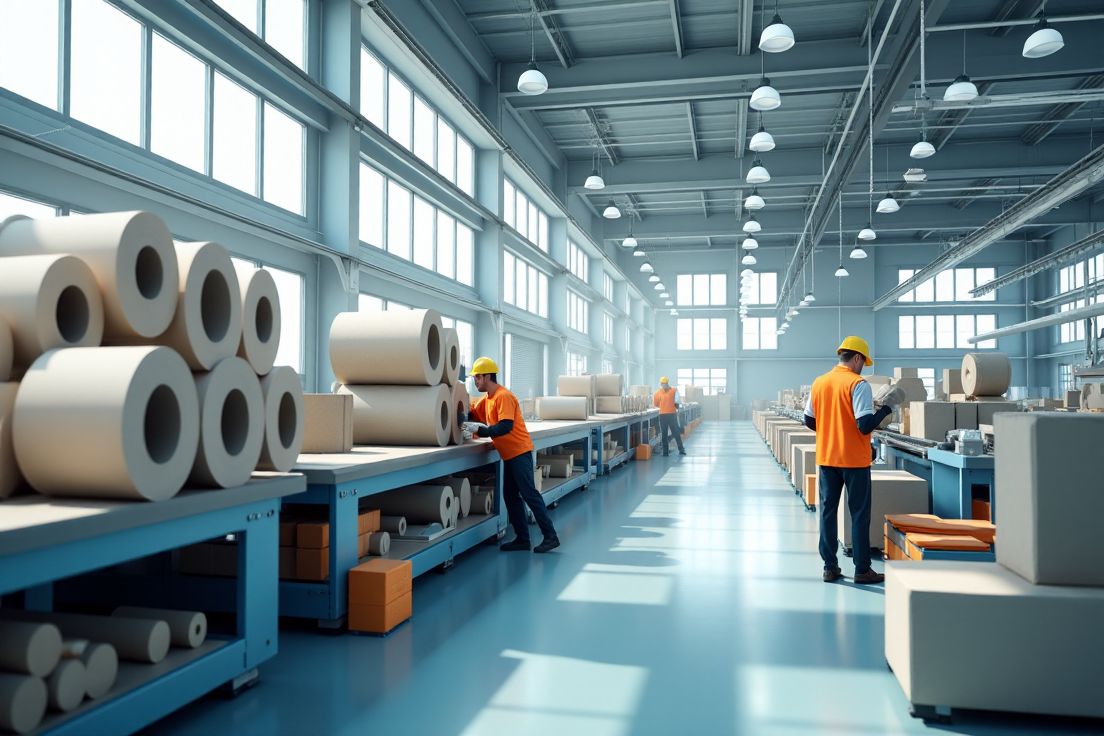
Paper products play a crucial role in manufacturing processes, serving various essential functions throughout the industry. These products are often used for packaging goods, providing protection during transportation and storage. Proper packaging not only keeps items safe but also enhances branding and consumer appeal.
In the production line, paper materials are frequently involved in processes such as labeling and documentation.
Labels provide necessary information about the product, including usage instructions and safety warnings, helping manufacturers maintain compliance with regulations. Documentation on paper ensures accurate record-keeping, which is vital for inventory management and quality control.
Additionally, items like paper towels and wipes are widely used in factories and workshops for cleaning and maintenance. They support hygiene and help maintain a safe working environment, preventing slips and other accidents caused by spills.
This table illustrates the importance of labels, documentation, and hygiene products in a workplace setting, focusing on their roles in compliance, safety, and cleanliness.
| Item/Concept | Purpose | Benefits |
|---|---|---|
| Product Labels | Provide usage instructions and safety warnings | Ensure compliance with regulations |
| Documentation on Paper | Records accurate inventory and quality control | Facilitates effective management |
| Paper Towels | Cleaning and maintenance | Supports hygiene |
| Wipes | Quick cleaning solutions | Helps maintain a safe work environment |
| Safety Protocols | Guidelines for preventing accidents | Enhances workplace safety |
| Training Manuals | Instruction for safe equipment use | Reduces the risk of workplace injuries |
Beyond the functional aspects, paper products often contribute to innovative manufacturing methods. Clever use of paper in design prototypes allows companies to test ideas quickly and economically before moving to more permanent materials. This method fosters creativity and efficiency in product development.
Furthermore, as industries evolve, the integration of advanced technologies with traditional paper products leads to new applications.
The Role of Paper Products in Efficient Production Lines
Efficiency in production lines greatly benefits from the use of paper products. These materials streamline many processes, ultimately leading to faster and more organized workflows. For instance, using pre-printed labels boosts speed during packaging since workers can quickly identify products without needing to check documentation constantly. This simple adjustment can significantly reduce time spent on sorting and packing items.
Moreover, checklists and forms made from paper provide a structured way to ensure all tasks are completed correctly. Workers can easily refer to these documents, which can help minimize errors during production. When every team member has access to clear instructions, it leads to consistency and accuracy in outputs.
Paper’s versatility enhances efficiency as well.
In cases where visual aids, such as blueprints or diagrams, are required, clear paper materials help communicate complex processes effectively. This way, everyone involved knows exactly what steps to follow, reducing confusion and downtime.
Additionally, the role of paper extends to maintaining organization in a hectic production environment. Storing records and reports helps track progress over time, enabling quick reflections on production efficiency.
This organized approach aids management in spotting issues that may slow down operations, allowing for timely adjustments that enhance overall productivity.
Advantages of Using Paper Materials in Packaging Solutions
Using paper materials in packaging solutions offers numerous benefits that enhance both functionality and marketing appeal. First and foremost, paper is lightweight, which can lower shipping costs. When packages are lighter, companies can save money on transportation and reduce their overall operational expenses. This advantage is especially beneficial for businesses looking to maximize their profit margins.
Moreover, the versatility of paper enables it to be easily shaped and customized. Packaging can be tailored to fit various product sizes and shapes, ensuring better protection during handling and transit. Custom packaging not only secures products but also attracts customers with appealing designs.
Paper packaging is often easier to print on than many other materials, allowing businesses to create vibrant graphics and informative labels.
Eye-catching designs can increase brand visibility and encourage consumer engagement. This visual impact is crucial in retail settings where standing out among competitors is essential.
Another significant advantage is the ability to recycle paper. Many consumers feel a positive connection to recyclable materials, often choosing brands that prioritize paper packaging.
By aligning with this preference, companies can improve their public image while catering to customer expectations.
Additionally, paper has a natural feel that many consumers associate with quality and care. When products arrive in well-designed paper packages, it can create a sense of trust and satisfaction. This emotional connection can lead to increased brand loyalty.
Cost-Effectiveness of Paper Products in Manufacturing
When evaluating the cost-effectiveness of paper products in manufacturing, several key factors come into play. First, the initial cost of paper materials tends to be lower than that of many alternative packaging and production materials. This can lead to substantial savings, especially for companies that require large volumes of materials. Additionally, because paper is often readily available, businesses can access it easily and avoid delays in their supply chains.
Another aspect to consider is the efficiency gained through using paper products. For example, lightweight paper packaging reduces shipping costs, allowing manufacturers to save money on transportation. Those savings can accumulate significantly over time, contributing to the overall profitability of a company.
Moreover, the versatility of paper enables it to be adapted for various uses without incurring high costs for specialized materials.
Manufacturers can customize packaging, labels, and other products to suit their specific needs. This flexibility ensures that companies can respond quickly to market demands without hefty investments.
Lets not overlook the recycling factor. While recycling contributes to resource management, the process often requires less energy compared to many other materials.
The Role of Paper Goods in Production Techniques
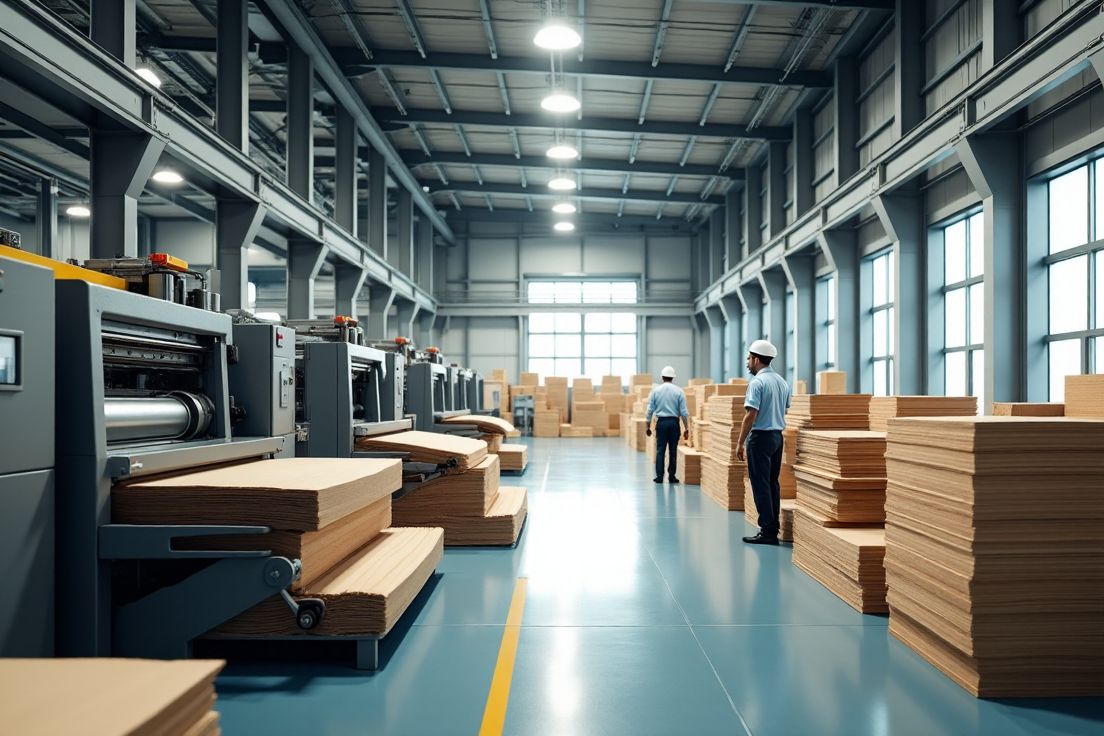
Paper products hold great importance in modern manufacturing, particularly in enhancing efficiency and ensuring quality across various processes. Their lightweight nature makes them ideal for packaging, as this minimizes shipping expenses, an advantage highly valued by businesses seeking to improve their profit margins.
In terms of organization, the use of paper for labels, documentation, and checklists helps establish clear guidelines. This organization supports accuracy and reduces mistakes in production.
Workers can quickly refer to written instructions, leading to smoother operations.
Moreover, the adaptability of paper allows manufacturers to experiment with different designs and configurations. For prototypes or trial runs, paper products facilitate quick adjustments without substantial financial investment. This agile approach fosters innovation, which is crucial for staying competitive.
The Importance of Paper Products in Product Packaging
Paper products are vital in product packaging because they offer both protection and appeal. When items are shipped, paper-based packaging keeps them secure while minimizing the risk of damage. This means businesses can avoid costly replacements and ensure customer satisfaction.
In addition to safety, paper packaging can also enhance the look of products.
Companies use bright colors and attractive designs to catch consumers’ eyes on store shelves. The ability to print vibrant graphics on paper helps brands stand out and communicate key messages about their products.
Paper materials are adaptable, allowing companies to create packaging tailored to different shapes and sizes. This customization ensures that products fit snugly, reducing movement and potential damage during transit.
Effective packaging design plays a crucial role in attracting consumers and ensuring the safe transit of products. Below are key points illustrating the benefits of using vibrant graphics and adaptable paper materials in packaging:
- Bright colors and attractive designs enhance shelf visibility and brand recognition.
- Vibrant graphics can convey essential product information and evoke emotional responses from consumers.
- Customizable packaging solutions can accommodate various product dimensions, improving overall presentation.
- Snug-fitting packaging helps reduce product movement, minimizing the risk of damage during shipping.
- Well-designed paper packaging can enhance consumer experience and increase the likelihood of repeat purchases.
Tailored packaging can also add value to the customer experience by offering a unique unboxing moment.
Furthermore, paper packaging is often lighter than alternatives like plastic or metal. This lower weight can lead to reduced shipping costs, helping businesses save money. Those savings can then be passed on to customers or reinvested into other areas of the business.
Enhancing Efficiency with Paper-Based Materials in Manufacturing
Utilizing paper-based materials in manufacturing can significantly heighten operational efficiency. For example, printed documentation such as work orders, inventory sheets, and quality checklists can streamline processes, eliminating the time spent searching for information. This easy access to essential data allows workers to focus on their tasks more effectively.
In addition, employing paper products for task reminders or instructions can enhance workflow by minimizing miscommunication.
When workers have clear, visible directives, they can perform their duties with improved precision, which ultimately reduces the risk of costly errors.
Another advantage of paper-based materials is their role in optimizing production scheduling. Having a physical schedule on hand makes it easy to track progress and adjust plans when unexpected issues arise. This adaptability ensures that production timelines remain on track, contributing to meeting delivery deadlines.
Moreover, paper can be employed during inventory counts and checks, where its tactile nature allows for efficient documentation and tracking. Workers can quickly cross-reference stock levels against orders, ensuring that nothing is overlooked. This leads to more accurate inventory management and avoids the pitfalls of overstocking or stockouts.
Implementing paper materials can also support training efforts.
Training manuals and guides can provide new employees with essential information about processes and safety protocols. Well-structured training materials reduce learning time and enable new hires to become productive members of the team more quickly.
By simplifying communication and documentation, working with paper products helps create a more orderly and effective manufacturing environment. The reliability of these materials enables consistent production flow, ultimately improving overall efficiency.
Streamlining Logistics
Streamlining logistics can significantly enhance manufacturing efficiency. One effective way to achieve this is through the use of paper products, which serve multiple essential roles in logistics management. Proper labeling on packages allows for quick identification during shipping and receiving, reducing the time needed for sorting and organization. This can prevent mix-ups and ensure that products reach their intended destinations on time.
For tracking and inventory purposes, paper-based documentation provides an easy reference for comparing stock levels against orders. Workers can swiftly check quantities, streamlining the counting process and avoiding delays often caused by miscommunication or missing information. Checklists and forms also play a vital role in maintaining accurate records, ensuring all items are accounted for during logistics operations.
Additionally, using pre-printed shipping labels can cut down on preparation time.
With all necessary details readily available, workers can focus more on the actual movement of goods rather than administrative tasks. This boosts overall productivity in the warehouse or shipping facility, leading to quicker turnaround times.
Furthermore, clear paper trails facilitate effective communication among team members and across departments. When logistics teams have access to structured written materials, everyone involved can stay on the same page.
This transparency reduces the likelihood of errors and helps maintain a smooth workflow.
In line with modern supply chain needs, integrating technology with traditional paper products can provide added advantages. For example, digital scanning of paper documents can keep track of shipments in real-time while still allowing for the physical documentation that many warehouses still prefer. Combining these methods helps bolster logistics efficiency without sacrificing reliability.
The Significance of Paper Products in Manufacturing Processes

Paper products are essential in modern manufacturing, influencing several key processes. One important aspect is their use in quality assurance. Documents like inspection reports require detailed recording on paper, ensuring that manufacturers keep track of product quality. This documentation serves as a reference point for any future audits or reviews, establishing a clear standard of excellence.
Another significant role paper products play is in inventory management. Maintaining accurate records helps businesses avoid running out of stock or overloading with excess materials. The simplicity of paper-based records makes tracking easier, allowing quicker adjustments to be made as needed. This ability to adapt is crucial in a fast-paced manufacturing environment.
Moreover, using paper products can help maintain safety standards in the workplace. Safety checklists and incident reports are often printed out, allowing workers to have tangible guidelines readily accessible. This can lead to a safer work environment, decreasing the likelihood of accidents and ensuring compliance with regulations.
The flexibility of paper also allows manufacturers to create quick prototypes or mockups.
This experimentation can lead to better designs without committing to costly materials right away. Such testing promotes an innovative approach, helping companies refine their products faster and more efficiently.
Finally, considering the overall cost efficiency, paper products tend to be less expensive compared to other materials, which can significantly lower the operational costs for manufacturers. This affordability allows businesses to allocate resources for other crucial areas, contributing to overall productivity and growth.
The Historical Use of Paper Products in Manufacturing
The historical use of paper products in manufacturing dates back centuries and has evolved in remarkable ways. Early forms of paper were created from materials like rags and bamboo, which were used for record-keeping and documentation. This was especially important for tracking inventory and production processes, allowing businesses to manage their stock more effectively.
As the industrial revolution took hold, the paper industry expanded significantly.
Factories began using paper for various purposes beyond documentation. One notable use was in product packaging. Paper materials provided a lightweight and effective way to protect items during shipping and storage.
Manufacturers also discovered that paper could help improve marketing efforts.
By creating attractive labels and packaging, companies could enhance their branding and grab consumers’ attention. This shift marked a crucial change, showing that paper products could play a strong role not just in functionality but also in consumer appeal.
The development of advanced printing technologies further propelled the use of paper in manufacturing. Businesses could easily produce colorful and informative labels, driving sales and improving customer engagement.
The versatility of paper allowed for customization, adapting to various product shapes and sizes.
Over time, paper products remained integral in various manufacturing processes. They supported quality assurance by allowing detailed recording of inspections. This documentation became essential for meeting industry standards and ensuring product reliability.
Innovative Uses of Paper Materials
Paper-based materials have a wide range of applications in various sectors, particularly in manufacturing processes. They are often used for packaging, providing a practical and effective solution for protecting goods during transport. The lightweight nature of paper not only ensures that products are secure but also helps to reduce shipping costs, making it an economically sound choice for businesses.
In addition to packaging, paper products are vital for documentation purposes.
They serve as essential tools for maintaining records such as inventory lists, quality checks, and safety protocols. By using paper, companies can keep organized and ensure that all necessary information is readily available for reference. This helps in smooth operations and compliance with various standards.
The manufacturing sector also utilizes paper for creating prototypes.
Designing with paper allows teams to quickly test ideas before committing to more expensive materials. This method saves time and resources, enabling companies to innovate without high costs.
Another interesting use of paper is in training materials. Providing employees with printed guides and manuals helps them understand processes and safety measures more effectively.
Well-structured paper documents can speed up the onboarding process, ensuring new workers become productive more quickly.
Furthermore, paper products support quality assurance measures. Inspection reports and checklists are often printed, allowing manufacturers to maintain high standards. This not only assures product reliability but also establishes trust with consumers.
Evaluating the Economic Benefits of Paper in Manufacturing
Cost-effectiveness plays a significant role when assessing the use of paper in production. Companies find that using paper products often leads to lower overall expenses. For example, the price of paper materials is generally cheaper compared to alternatives such as plastics or metals. This initial cost advantage allows businesses to save money right from the start.
Furthermore, the lightweight nature of paper reduces shipping costs. Transporting lighter packages often results in lower freight charges, allowing manufacturers to save more over time. This can be particularly important for businesses that ship large quantities of products regularly, as these savings can significantly impact the bottom line.
Additionally, the versatility of paper materials means companies can customize products, like labels and packaging, without high production costs.
This adaptability helps businesses respond quickly to market changes and consumer demands, all while keeping expenses low. Companies can modify designs and sizes without needing specialized equipment or materials, making it a flexible option for many applications.
Recycling paper also contributes to long-term cost savings. Many manufacturers utilize recycled fibers, which often have a lower processing cost than sourcing brand new materials.
This not only enhances resource management but also lowers waste disposal fees, thereby reducing overall costs.
Lastly, the reliability of paper in various manufacturing processes supports consistent production flows. When operations run smoothly with minimal disruptions due to errors or miscommunication, it can lead to significant time and cost savings. By integrating paper products effectively, companies enhance their efficiency, thus leading to greater cost-effectiveness in production.
Integrating effective resource management practices can lead to improved operational efficiency and reduced costs in manufacturing processes. Below are some key benefits of using paper products in these processes:
- Streamlines workflow by providing clear documentation for each stage of production.
- Enables accurate tracking and reporting of resources, minimizing potential losses.
- Facilitates better communication among team members, leading to fewer production errors.
- Helps maintain standardized procedures, which can enhance product quality and consistency.
- Supports a comprehensive inventory management system, leading to optimized resource allocation.
Frequently Asked Questions
Below is a Frequently Asked Questions (FAQ) section addressing common inquiries related to the role of paper products in modern manufacturing processes.
What are the main roles of paper products in manufacturing?
Paper products serve multiple functions in manufacturing, including packaging, labeling, documentation, and maintaining hygiene. They are essential for protecting goods during transportation, ensuring compliance with regulations, and facilitating organization within production lines.
How do paper products enhance safety in manufacturing environments?
Paper products contribute to safety by providing clear guidelines through safety protocols, checklists, and incident reports. This documentation allows workers to have immediate access to safety information, which can help reduce accidents in the workplace.
What are the cost advantages of using paper materials in manufacturing?
The use of paper products in manufacturing is often more cost-effective compared to alternative materials, as they usually have a lower initial cost. Additionally, their lightweight nature reduces shipping expenses, which can contribute to overall savings for businesses.
Can paper products be used for innovation in product design?
Yes, paper products play a crucial role in innovation by allowing manufacturers to create quick prototypes and mockups. This enables testing of ideas without significant investment, leading to more efficient product development.
How do paper products aid in inventory management?
Paper documentation enables accurate tracking of inventory levels, preventing stockouts or overstock situations. By maintaining clear records, manufacturers can respond promptly to inventory needs, ensuring smooth operations.
What advantages do paper-based packaging solutions offer?
Paper-based packaging is lightweight, customizable, and often easier to print on. This versatility allows for attractive designs that enhance brand visibility and can increase customer engagement while also providing effective protection during shipping.
How do paper products streamline logistics in manufacturing?
Paper products streamline logistics through effective labeling and documentation, allowing for quick identification during shipping and receiving processes. This reduces sorting time and improves overall productivity in logistics operations.
Conclusion
Paper products are vital in modern manufacturing, touching many important aspects of the production process. They help keep operations organized, ensure safety, and improve efficiency. By providing clear documentation, labels, and packaging, paper products streamline workflows and minimize errors.
Their lightweight nature also brings cost advantages, from reducing shipping fees to making materials more accessible.
The ability to recycle paper further enhances their appeal, making them a smart choice for businesses looking to save money and maintain quality.
Overall, the role of paper in manufacturing is both functional and economic. It supports innovation and efficiency, helping companies adapt quickly while ensuring high standards. Embracing paper products can lead to a more productive and effective manufacturing environment.
Related Posts