
The Advantages of Paper over Plastic in Packaging
Paper packaging is becoming a popular choice over plastic for a variety of reasons. First, it is biodegradable, which means it breaks down naturally and contributes less waste to landfills. Unlike plastic, which can last hundreds of years in the environment, paper can decompose in just a few months.
Additionally, paper packaging is often made from renewable resources. This means that as long as we manage forests responsibly, we can continue to produce paper without harming the environment.
Using paper instead of plastic can also improve how products look and feel. Brands can print bright colors and detailed designs on paper, making the packaging more attractive to shoppers. Overall, choosing paper packaging has many benefits that support both the environment and consumer preferences.
Advantages of Choosing Paper over Plastic Packaging
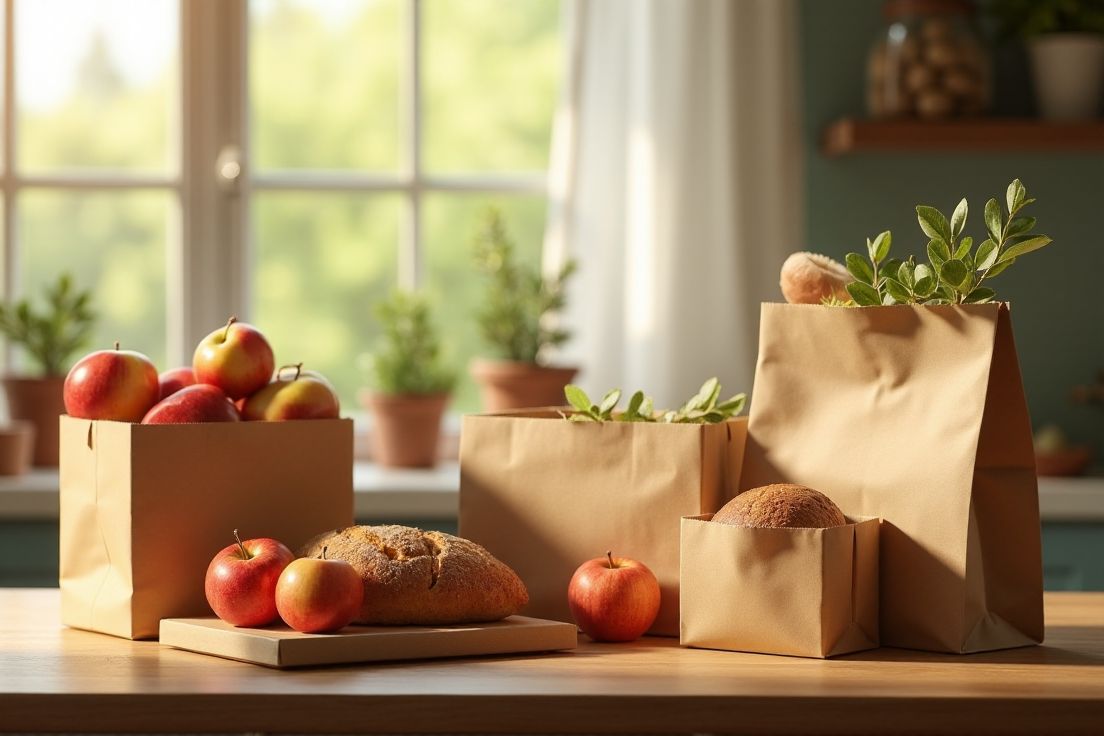
Using paper packaging presents numerous advantages compared to plastic. Firstly, paper is biodegradable, meaning it breaks down naturally over time, contributing to less waste in landfills. This property enables a more natural return to the earth, unlike plastic which can linger for hundreds of years.
Moreover, paper production relies significantly on renewable resources.
Many paper products are made from trees, and with responsible forestry practices, new trees can be planted to replace those used for paper, supporting a cycle of growth. This can be seen as a way to utilize resources wisely.
In addition, paper packaging often offers better printability. Brands can easily print vibrant colors and intricate designs on paper, enhancing product appeal and making packaging more attractive to consumers.
This visual appeal can lead to greater consumer interest and potentially increase sales.
Another benefit lies in the insulation properties of paper. For items needing temperature control, paper can provide better insulation than plastic, making it more effective for certain food items. This helps keep products fresh and appealing for longer periods.
Enhanced Biodegradability of Paper Packaging
Biodegradability in paper packaging is enhanced through various processes and practices. When exposed to moisture and microorganisms, paper begins to break down efficiently, converting into organic material rapidly. This is a natural process that involves bacteria, fungi, and other decomposers that thrive on cellulose, the main component of paper. The chemical structure of paper makes it much more amenable to being broken down compared to synthetic materials.
Innovations in the manufacturing of paper products also play a role. Manufacturers are developing formulations that increase the rate at which paper degrades. Additives can be included to speed up decomposition without affecting the functionality or performance of the packaging. This means that even products that may have a longer shelf life can still return to the soil quickly after disposal.
Moreover, the accessibility of composting facilities further supports the enhanced biodegradability of paper packaging. When paper products are composted, they break down even more swiftly. This option allows businesses and consumers to dispose of paper in a way that speeds up its return to nature, enriching the soil in the process.
Also, the awareness around paper recycling encourages proper disposal practices.
When consumers are educated on how to recycle or compost paper, it significantly contributes to its overall biodegradability. This awareness can significantly enhance the lifecycle of paper products, making their environmental footprint minimal.
In addition, the choice of using uncoated and bleached paper further optimizes biodegradability. Such papers contain fewer chemicals, allowing them to break down quicker in both natural settings and composting systems.
Understanding the impact of paper recycling and composting on the environment can lead to more conscious consumer choices. Here are some key points to consider:
- Educated consumers are more likely to recycle and compost, leading to a reduced environmental footprint of paper products.
- Awareness campaigns can effectively improve recycling rates and promote the benefits of composting paper.
- Choosing uncoated paper helps minimize chemical exposure, promoting a safer breakdown process.
- Bleached papers, when processed without harmful additives, can offer better biodegradability compared to heavily processed alternatives.
- Enhancing recycling education contributes to longer paper lifecycles, resulting in a more efficient use of resources.
Less chemical processing means a more organic end product that integrates seamlessly back into the earth.
Lower Carbon Footprint of Paper Production
Paper production generally results in a lower carbon footprint compared to plastic. The process of creating paper often emits fewer greenhouse gases. This reduction is primarily attributed to the renewable nature of the raw materials involved in making paper.
When trees are harvested for paper, new trees can be planted in their place, leading to ongoing carbon absorption.
Comparing the environmental impacts of paper production and plastic production highlights the advantages of paper in terms of carbon emissions and raw material sources. The following table summarizes key factors related to the carbon footprint and renewable aspects of both materials.
| Factor | Paper | Plastic |
|---|---|---|
| Carbon Footprint | Lower | Higher |
| Greenhouse Gas Emissions | Fewer emissions during production | More emissions during production |
| Raw Material Sources | Renewable (trees) | Non-renewable (fossil fuels) |
| Carbon Absorption | Ongoing with new tree growth | None |
| Impact on Ecosystems | Can promote reforestation | Can cause significant environmental harm |
Thus, the lifecycle of paper manufacturing can actively support carbon sequestration efforts. Unlike plastic, which is derived from fossil fuels and contributes to higher carbon emissions during production, paper has the potential to create a net positive effect on carbon levels in the atmosphere.
Innovative practices in the paper industry continue to enhance energy efficiency. The use of renewable energy sources, such as wind and solar, in manufacturing processes is helping to reduce carbon emissions even further.
More paper mills are adopting these cleaner energy practices, which significantly cuts down the overall carbon output associated with production.
Furthermore, the recycling of paper products can also minimize the carbon footprint linked to new paper production. Recycling fibers requires less energy than producing new paper from raw materials, meaning that the carbon emissions are reduced as well. The more paper that is recycled, the less dependent manufacturers become on virgin materials, helping to lower emissions across the board.
Versatility in Paper Packaging Design
Paper packaging design is incredibly versatile, allowing for a range of styles that meet different needs. Companies can easily customize shapes, sizes, and closures to make their products stand out. This adaptability helps brands communicate their identity and connect with consumers effectively.
From food containers to cosmetic boxes, paper packaging can take on various formats.
For example, boxes can be designed to protect fragile items while also being eye-catching. Bags can be made with features like handles for easier carrying. Such innovations not only enhance usability but also improve the shopping experience.
Creative printing techniques give designers the ability to produce unique graphics and textures.
Glossy finishes or matte coatings can drastically change the look of the packaging, making it more appealing to shoppers. This flexibility encourages brands to explore new ideas in their packaging designs, showcasing their products in fresh and exciting ways.
Furthermore, paper packaging can be easily assembled or disassembled. Many designs allow for flat packing, which saves space during transportation.
This aspect not only optimizes storage but also simplifies the process for retailers. When it comes to consumer use, the ease of recycling or repurposing makes paper packaging a practical choice.
Overall, the versatility of paper packaging design empowers brands to think outside the box, literally and figuratively. By leveraging innovative designs, they can attract consumer interest, enhance functionality, and provide a positive user experience.
This makes paper a compelling option against traditional plastic materials, aligning functionality with creative expression.
Advantages of Choosing Paper Packaging Instead of Plastic
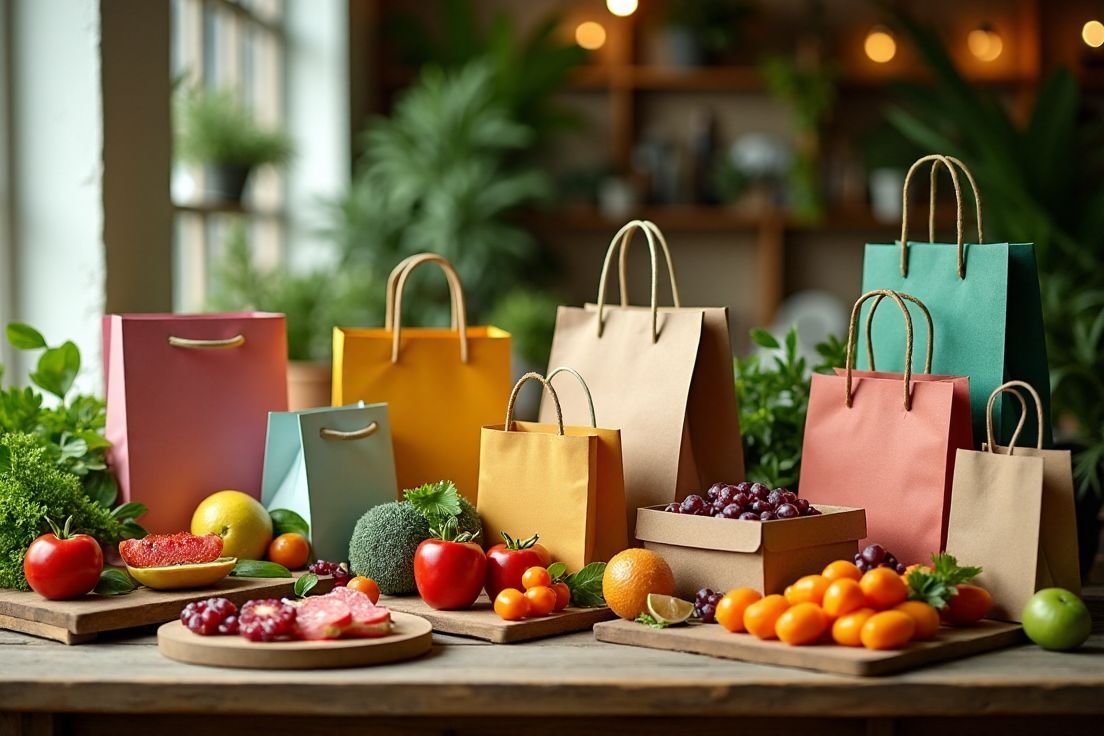
Another significant advantage of paper packaging is its ability to convey brand messages effectively. With the rising trend of eco-conscious consumers, brands can create a strong connection with their audience by using paper. The tactile nature of paper elicits a sense of quality and thoughtfulness that can enhance customer engagement. Customers are often willing to support brands that show a commitment to responsible packaging choices.
Furthermore, paper packaging typically has a less hazardous profile compared to plastic. In the manufacturing process, it generally involves fewer harmful chemicals. This characteristic can make paper safer for containing food products. Many consumers prefer packaging made from materials they perceive as less harmful.
In terms of disposal, paper often offers simpler options than plastic. Facilities for recycling and composting paper are more commonly available. Many communities have established systems to handle paper waste, making it easier for consumers to dispose of packaging responsibly. This ease of disposal can encourage individuals to opt for paper over plastic.
Lastly, paper packaging can have a more appealing feel. The texture and weight provide a sensory experience that plastic cannot match. This connection can influence consumer choices, enhancing their overall experience with the product. When customers feel more satisfied with the packaging, they may be more likely to return for repeat purchases.
This creates a win-win for both brands and consumers.
Reduced Environmental Impact of Paper Packaging
Choosing paper packaging leads to a considerable decrease in harmful effects on our surroundings. One of the main reasons is that paper is made from natural materials, which can break down more easily when they are discarded. Unlike plastic, which can stay in landfills for ages, paper typically decomposes within a few months. This means less clutter in waste disposal areas and a quicker return to the ecosystem.
Furthermore, the production processes for paper often create less harmful byproducts compared to those used for plastic. Manufacturers of paper can utilize eco-friendlier approaches and techniques, resulting in cleaner operations. With fewer toxic chemicals involved, not only does this benefit the packaging itself, but it is also safer for all kinds of products, particularly food items.
Efforts in recycling paper also contribute to the reduced impact.
When recycled instead of sent to waste, paper uses less energy and resources than creating new paper. This recycling process helps in conserving trees, water, and energy, adding to the environmental benefits over time.
The disposal of paper packaging generally presents more manageable options for consumers. Many communities offer convenient services for recycling paper, encouraging easier participation in responsible waste management.
This accessibility to proper disposal aids in minimizing the overall environmental challenges posed by packaging materials.
Additionally, when businesses choose paper, they can often enhance their brand image. Consumers appreciate brands that take steps toward reducing their impact on the planet. Using paper packaging communicates a commitment to better practices, which can foster a stronger connection with customers.
The Natural Advantage of Paper
One of the standout features of paper is its natural composition. Made mainly from wood fibers, paper brings a sense of authenticity and warmth that plastic simply cannot match. Its tactile texture provides a unique, pleasant experience that many consumers appreciate, making products feel more genuine.
The inherent qualities of paper also allow it to interact well with various types of inks and finishes.
This capability enhances branding efforts, allowing businesses to clearly express their identity through diverse colors and designs. When brands use paper packaging, they can effectively communicate their values, drawing in more customers who care about how products are presented.
Moreover, paper is capable of being sourced from responsibly managed forests. This means that the materials come from trees that are harvested with care, ensuring that the process does not disrupt ecosystems.
As trees are replaced through sustainable forestry practices, the cycle continues, allowing for a constant supply of renewable resources.
Paper’s versatility is another advantage, as it can be easily shaped and molded to meet different requirements. Whether it’s for a box, bag, or wrap, paper can be crafted into a wide range of forms to suit any product. This adaptability not only helps in capturing consumer attention but also enhances functionality, making it easier to handle products during transport and storage.
Additionally, the safety of using paper in food packaging cannot be overlooked. The chance of chemicals leaching into food items is significantly lower than with plastic options. Many consumers prioritize this aspect, leading them to prefer paper packaging when selecting food products.
Overall, paper carries a natural edge due to its appealing characteristics, safe profile, and versatility.
These advantages make it a preferred choice among brands aiming to create meaningful connections with their consumers while delivering a quality product experience.
Consumer Preference for Paper Packaging
Consumers are increasingly favoring paper packaging over plastic for many reasons. One major factor is the perception of quality and safety associated with paper. Many people see paper as a more trustworthy material for food items, as it seems less likely to leach harmful substances compared to plastic. This belief encourages shoppers to choose products packaged in paper, feeling confident that they are making a healthier option.
Additionally, the tactile experience of paper packaging often resonates with consumers. The texture and weight of paper can give a sense of authenticity that plastic lacks. When customers hold a paper-wrapped product, they may feel it represents care and thoughtfulness in design, enhancing their overall experience. This emotional connection can lead to stronger brand loyalty.
Another reason for the shift towards paper is its visual appeal. Brands can use vibrant colors, intricate designs, and various finishes on paper packaging to grab consumers’ attention. Eye-catching packaging can stand out on shelves and influence purchasing decisions. Many consumers appreciate the artistry involved in paper designs, which enhances the enjoyment of shopping.
As brands explore the potential of paper packaging, several key aspects contribute to its growing popularity among consumers. Here are some notable points regarding the visual appeal of paper packaging:
- Vibrant colors can create striking contrasts that attract shoppers’ eyes.
- Intricate designs can tell a story or convey a brand’s identity effectively.
- Diverse finishes, such as matte or glossy, can enhance tactile and visual experiences.
- Unique shapes and structures can differentiate products on retail shelves.
- The artwork on paper packaging can evoke emotions and connect with consumers on a personal level.
Consumers also appreciate the ease of disposal that comes with paper. Many communities provide accessible recycling and composting options, encouraging responsible behavior. This convenience makes people more likely to choose paper packaging, as they feel they are contributing positively by disposing of it properly.
Finally, as brands shift toward using paper, they often communicate their dedication to quality and care for customers.
Benefits of Using Paper Packaging over Plastic
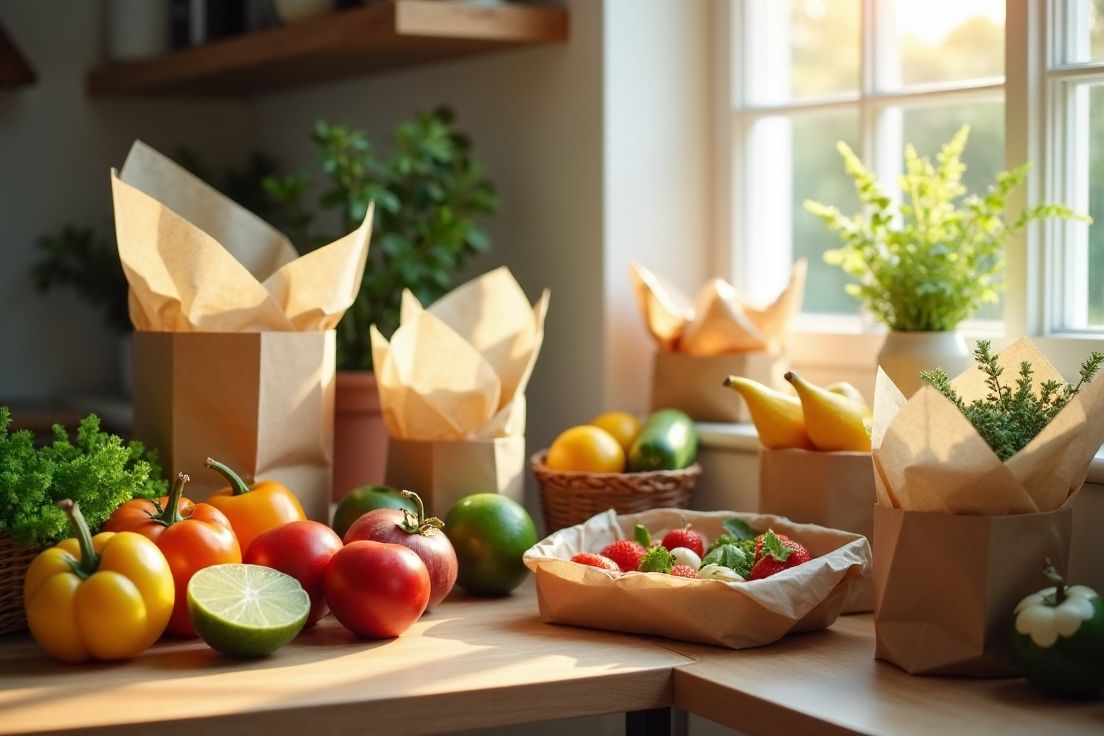
Paper packaging comes with several advantages that make it a preferred choice over plastic. One important benefit is its ability to be recycled. Recycling paper is straightforward and widely practiced, allowing it to be transformed into new products without significant loss of quality. This process supports a circular economy, where materials are reused, reducing the need for new raw materials.
Another strong point of paper is its renewable nature. Sourced from trees, paper can be made from materials that are replenished through proper forest management. When new trees are planted, they can take in carbon dioxide from the air, helping to maintain a balanced carbon cycle. This is in stark contrast to plastic, which is derived from fossil fuels that are finite and contribute to environmental degradation.
Moreover, paper packaging typically provides a better user experience. Its tactile qualities give a sense of premium quality, which can make a product feel more trustworthy. Consumers often enjoy the feel of paper as it is warm, inviting, and can have unique textures, leading to increased satisfaction when handling products.
Furthermore, paper packaging is often easier to dispose of responsibly.
Many households have access to recycling collections, while composting options are also available for certain types of paper. This ease of disposal encourages more people to choose paper, knowing that they can handle it in an eco-friendly manner.
The safety aspect also plays a crucial role. With fewer chemicals used in its production, paper usually presents a lower risk of harmful substances leaching into food items.
This makes it a more appealing option for consumers who prioritize food safety. Many shoppers prefer the peace of mind that comes with packaging they believe to be safer for their health.
Lastly, paper packaging can be produced with various strengths and features, making it suitable for a wide range of products. From lightweight wraps to sturdy boxes, it adapts well to different needs while still being attractive and functional.
This versatility allows brands to innovate and meet their customers’ preferences effectively.
Biodegradability and Compostability of Paper Packaging
Paper packaging is known for its biodegradability and compostability, setting it apart from plastic options. When disposed of, paper breaks down much more quickly, usually within a few months, turning back into natural elements that enrich the soil. This natural process is aided by moisture, microorganisms, and exposure to air, all of which work together to decompose paper effectively.
Composting is especially beneficial as it further speeds up the breakdown of paper.
When sent to a composting facility, paper can decompose with other organic materials, transforming into nutrient-rich compost. This process benefits soil health and supports plant growth, offering a practical method of disposal that directly contributes to land fertility.
Various innovations in the production of paper can enhance its degradation rate. Some manufacturers are developing special formulations and additives that make the paper break down even faster when it reaches its end of life.
These enhancements are designed to maintain the packaging’s performance while ensuring it returns to the earth efficiently.
There’s also a significant difference in the way paper packaging is generally disposed of compared to plastic. Many communities have established systems for recycling and composting paper. This widespread access encourages people to choose paper over plastic, knowing they can dispose of it responsibly.
Educational campaigns promote these practices, making it easier for consumers to understand the proper ways to recycle or compost their paper products.
The choice of materials also affects biodegradability. Uncoated and minimally processed paper tends to break down faster since it contains fewer chemicals that can slow decomposition. This simplicity makes it ideal for composting and helps ensure that it has a minimal impact on the environment.
Understanding the benefits of paper packaging is crucial for making environmentally friendly choices. Here are some key points about its biodegradability and compostability:
- Paper packaging is completely biodegradable, breaking down naturally within months.
- The decomposition process enriches the soil, returning valuable nutrients to the ecosystem.
- Moisture and microorganisms play essential roles in speeding up the degradation of paper.
- Composting paper not only accelerates its breakdown but also transforms it into rich organic matter.
- Using paper packaging reduces landfill waste, as it decomposes more efficiently than plastics.
Health and Safety Benefits of Paper Packaging
Choosing paper packaging offers significant health and safety benefits. One of the most important aspects is that paper materials are typically less likely to leach harmful chemicals compared to plastic. This is especially crucial for food packaging, where the safety of what we eat should always come first. Many consumers find comfort in knowing that paper products generally do not pose the same risks as plastic when it comes to chemical contamination.
Furthermore, paper packaging is often considered more hygienic. It provides a barrier against bacteria, making it safer for food. The porous nature of paper allows it to breathe, which can help prevent moisture buildup that leads to mold and spoilage. This feature is particularly beneficial for perishable items, ensuring they remain fresh for longer periods.
In addition, many paper products are made using fewer harmful additives. This means they can have a lower overall toxicity when compared to plastic alternatives. As a result, paper packaging is often a healthier option for both consumers and the people who handle these materials in manufacturing and distribution.
Consumers also find paper packaging more appealing because it often feels more natural.
The tactile experience of paper adds to the perception of quality, which can influence purchasing decisions. This perception of safety and quality helps create trust between brands and consumers.
Lastly, the straightforward disposal of paper packaging encourages responsible practices. Many communities have established systems for recycling or composting paper, making it easier for individuals to manage waste in a safe and effective manner.
This ease of disposal further supports the idea that paper packaging is a safer choice for health and well-being.
Cost-Effectiveness of Paper Compared to Plastic
When comparing the cost-effectiveness of paper and plastic packaging, several factors come into play. Initially, the purchase price of paper products may seem higher than that of plastic options. However, when evaluating the entire lifecycle, paper often proves to be more economical in the long run. The ability to recycle paper significantly reduces overall costs associated with waste disposal and environmental management.
Businesses can save on landfill fees and potentially even earn revenue through recycling programs.
Moreover, the demand for eco-friendly products can lead to greater customer loyalty for brands that choose paper packaging. This increased consumer support can translate into higher sales, offsetting any initial cost differences. Brands that embrace paper may attract more customers who are willing to pay a premium for environmentally responsible choices, allowing companies to enhance their profit margins.
Implementing paper packaging can provide various benefits for businesses, enhancing their market position and financial performance.
- Reduced landfill costs: Lower disposal fees associated with less waste generation.
- Potential revenue generation: Companies can monetize their recycling processes and materials.
- Enhanced brand loyalty: Customers are more likely to support brands that prioritize eco-friendly packaging.
- Opportunity for premium pricing: Consumers may pay more for products that use environmentally responsible packaging.
- Improved market differentiation: Brands utilizing paper packaging can stand out in a competitive marketplace, appealing to conscious consumers.
From a manufacturing perspective, paper’s production processes have become more efficient over time. Many paper mills invest in technology that lowers energy use and reduces costs. On the other hand, plastic production relies on fluctuating oil prices, which can lead to unpredictable pricing and increased expenses over time. This price volatility can make budgeting for plastic packaging a challenge.
In terms of storage and transport, paper packaging can sometimes be lighter and more compact than plastic, depending on the product. This characteristic can reduce shipping costs, as more items can fit into a single shipment, leading to savings. Additionally, paper is generally easier to handle and may require less complex disposal logistics, resulting in further operational efficiencies.
Lastly, the overall perception of value with paper packaging contributes to its cost-effectiveness.
Frequently Asked Questions
This FAQ provides concise answers to common questions about the advantages of using paper packaging over plastic.
What are the main environmental benefits of paper packaging?
Paper packaging is biodegradable and decomposes much faster than plastic, reducing landfill waste. It is also made from renewable resources, and improved recycling and composting methods enhance its environmental impact.
How does paper packaging compare to plastic in terms of health safety?
Paper packaging is generally considered safer as it is less likely to leach harmful chemicals, especially in food packaging. It is also often made with fewer toxic additives, making it a healthier option for consumers.
What makes paper packaging more appealing to consumers?
Consumers find paper packaging more attractive due to its tactile quality, visual appeal, and perceived quality. The unique textures, vibrant colors, and intricate designs resonate well with shoppers, enhancing their overall experience.
Does paper packaging have advantages in terms of disposal?
Yes, paper packaging is easier to dispose of responsibly. Many communities have established recycling and composting systems, making it simpler for consumers to manage paper waste compared to plastic.
How does the cost-effectiveness of paper compare to plastic?
While the initial cost of paper may be higher, it can be more economical in the long run due to lower disposal costs, potential recycling revenue, and enhanced brand loyalty from consumers who prefer eco-friendly options.
What innovations contribute to the biodegradability of paper packaging?
Manufacturers are developing formulations and additives to improve the degradation rate of paper. These innovations help the paper break down efficiently while maintaining its functionality, further enhancing its environmental benefits.
Is paper packaging suitable for a variety of products?
Yes, paper packaging is versatile and can be customized into various shapes, sizes, and designs, making it suitable for a wide range of products, from fragile items to food containers.
Conclusion
Choosing paper packaging over plastic offers many benefits that can greatly impact our environment and consumer experience. The natural qualities of paper allow for better biodegradability, making it easier for waste to break down and return to the earth. This helps reduce clutter in landfills and supports a healthier ecosystem.
Paper also provides a safer option for food packaging, as it typically contains fewer harmful chemicals.
Consumers appreciate the tactile feel of paper, which can enhance the quality perception of products, leading to higher satisfaction and repeat purchases.
Additionally, paper packaging is often easier to dispose of responsibly. Recycling and composting options are widely available, allowing consumers to enjoy the convenience of proper waste management. As more brands adopt paper packaging, they not only cater to growing consumer preferences but also contribute to a positive change in packaging choices.
Related Posts