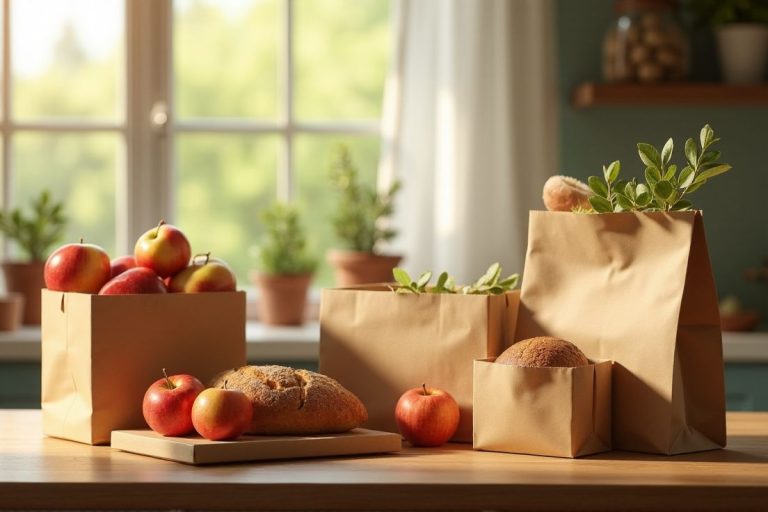
The Impact of Paper Packaging on Customer Satisfaction
In recent years, paper packaging has become a favorite among consumers. More and more people are seeking out products wrapped in paper because they feel it offers a touch of warmth and authenticity. Unlike plastic, which can feel cold and impersonal, paper packaging tends to evoke a sense of quality and care.
The way paper feels in your hands can also make a difference. Shoppers often experience heightened satisfaction when handling paper-wrapped items. This tactile connection creates a unique shopping experience, one that blends both visual appeal and physical engagement.
As we dive deeper into the impact of paper packaging on consumer choices, we’ll explore how it shapes preferences, influences perceptions of quality, and fosters emotional connections to brands. Join us on this journey through the world of paper packaging and its significance in today’s market.
Paper Packaging and Its Impact on Today’s Consumers

Consumers are increasingly drawn to products packaged in paper materials due to their perceived advantages in both aesthetics and functionality. Paper packaging tends to evoke a sense of warmth and authenticity, setting it apart from plastic counterparts. Brands that use paper often find that their products stand out on the shelf, appealing to shoppers who prioritize a natural or artisanal feel.
Additionally, the tactile experience of handling paper packaging can enhance customer satisfaction.
Consumers are increasingly drawn to paper packaging for its aesthetic and functional advantages. The following table highlights key characteristics and perceptions associated with paper packaging compared to plastic packaging.
| Characteristic | Paper Packaging | Plastic Packaging |
|---|---|---|
| Aesthetics | Warmth and authenticity | Cold and industrial |
| Tactile Experience | Enhanced customer satisfaction | Less sensory engagement |
| Market Appeal | Stands out on the shelf | Common and often overlooked |
| Consumer Preference | Favored by shoppers valuing natural feel | Preferred for convenience |
| Brand Perception | Associated with quality and craftsmanship | Perceived as generic or mass-produced |
Many people appreciate the texture and weight of paper, which can create a more enjoyable unboxing experience. This physical interaction plays a significant role in how consumers perceive the quality of the product inside.
Furthermore, paper packaging serves as an effective medium for branding and storytelling. Companies can easily print vibrant colors and detailed designs, which helps convey their message and values.
This emotional connection to the packaging can influence purchasing decisions and foster brand loyalty among consumers who resonate with the imagery and language used.
Finally, the trend towards healthier lifestyles has shifted consumer preferences towards products that seem more natural. Paper packaging fits into this narrative, as it is often associated with wholesome, less processed options. This perception makes it a popular choice for food and drink items that claim to be made with fresh or organic ingredients.
In this way, paper packaging does not just serve a functional need; it becomes an integral part of how consumers engage with brands and products on a deeper level.
Consumer Perceptions of Paper Packaging Quality
Consumers often associate paper packaging with higher quality, influenced by its visual and tactile features. The weight and texture of paper can significantly impact their perception. Many view it as more substantial and trustworthy compared to lighter plastic options. This belief enhances their expectation of what the product inside will be like.
When a product is wrapped in paper, it often suggests care and quality crafted by the brand. Consumers may feel that a product housed in paper is of better quality, reflecting the brand’s commitment to excellence. The ability to see printed designs and branding further sharpens this perception. Vibrant colors, elegant fonts, and overall graphics can evoke feelings of sophistication and attention to detail.
When considering the impact of product packaging on consumer perception, the use of paper as a wrapping material can significantly enhance the perceived value and quality of a product. Here are some key points to highlight this effect:
- Paper wrapping often indicates a brand’s dedication to high-quality materials and craftsmanship.
- Visually appealing printed designs can attract attention and create a strong first impression.
- Elegant typography and graphics can enhance brand identity and convey sophistication.
- Using vibrant colors can evoke positive emotions and excitement towards the product.
- Consumers may associate paper packaging with premium products, leading to increased purchase intention.
Moreover, the durability of paper packaging plays a crucial role in perception. If it withstands handling and shipping without damage, it reinforces views of the product’s quality. Conversely, if paper packaging appears flimsy or easily torn, it creates doubts about the product itself.
Trust is essential in consumer behavior.
The Influence of Packaging Design on Purchase Decisions
Packaging design plays a crucial role in influencing how consumers make their purchase decisions. First impressions matter, and the packaging is often the first point of contact for potential buyers. Eye-catching designs, colors, and materials can draw attention on crowded shelves, making a product stand out from the competition. For instance, vibrant colors can evoke feelings of excitement and attract customers looking for something special.
Additionally, the readable and appealing graphics on a package can communicate important information quickly. Clear labels and attractive fonts ensure that shoppers can easily understand what the product is and its benefits. When consumers feel informed and excited by what they see, they are more likely to decide to buy.
Moreover, unique and creative packaging designs can create an emotional connection with consumers.
If a package tells a story or connects with values shared by the target audience, it can lead to stronger brand loyalty. People want to feel good about their purchases, and well-designed packaging can evoke these positive feelings.
The shape and functionality of the packaging also play a significant role. Innovative designs that make a product easier to use or store can influence purchasing decisions.
For example, resealable bags or containers that are convenient and practical can encourage more frequent purchases.
Furthermore, consumers often link packaging quality with product quality. Premium-looking packaging can suggest that a brand values its products and cares about its customers. When shoppers perceive the packaging as high-quality, they are more inclined to trust the contents inside.
Emotional Responses to Paper Packaging in Retail Environments
Emotional responses to paper packaging in retail environments are deeply tied to the sensory experiences it provides. When shoppers touch paper packaging, they often feel a sense of comfort and nostalgia. This tactile interaction can trigger fond memories or positive feelings, making them more likely to develop a connection with the product. The texture and weight of paper packaging can convey a feeling of quality and care, enhancing comfort during the shopping experience.
The visual appeal of paper packaging can also evoke emotions. Bright, engaging designs can spark curiosity and excitement. Such packaging often communicates creativity and thoughtfulness from the brand, appealing to consumers desires for uniqueness. When shoppers see attractive paper packages, their interest is piqued and they may linger longer in the aisle, drawn in by the aesthetic charm.
Moreover, the association between paper packaging and eco-friendliness influences emotional responses. Many consumers link paper with natural, wholesome products. This connection can make shoppers feel good about their choices, believing they are supporting brands that prioritize quality and care. Feeling responsible and informed adds a layer of satisfaction to their purchase decisions.
Finally, the unboxing experience with paper packaging can evoke anticipation and joy. As consumers reveal the product inside, the papers quality amplifies their expectations. A satisfying reveal might lead to a memorable moment, strengthening emotional ties to the brand. Overall, these emotional responses contribute to consumer loyalty and satisfaction, influencing future purchasing behavior.
The Impact of Paper Packaging on Today’s Shopper Choices

As shoppers become more aware of the qualities they desire in products, paper packaging has emerged as a powerful choice. One of its significant roles is to create a sense of trust and reliability among consumers. When people encounter products wrapped in paper, they often feel reassured by what they perceive as a commitment to quality. Brands that choose paper packaging can enhance their image by appearing more genuine and careful in their craftsmanship.
The relationship between packaging type and consumer satisfaction is clear. Many shoppers experience a heightened sense of enjoyment when handling paper rather than plastic. The softness and weight of paper can evoke positive emotions, making customers feel more connected to the products they are purchasing. This deeper engagement can lead to a more satisfying shopping experience overall.
Moreover, the versatility of paper allows brands to express their identity through unique designs. Custom prints, colors, and textures can communicate a brand’s story more effectively than traditional plastic. Customers appreciate creativity and thoughtfulness in packaging, which can strengthen their loyalty to a brand.
Another important aspect is the ease with which paper packaging can be customized.
Brands can utilize striking graphics to showcase their values and mission. This visual communication resonates with consumers, as they often prefer brands that align with their own values. Ultimately, this connection can result in repeat purchases and long-term customer relationships.
Paper packaging also supports consumer preferences for products that feel more natural and authentic.
As people lean towards healthier options, they tend to consider products in paper packaging as more appealing. The association of paper with artisanal qualities or fresh ingredients plays a vital role in influencing buyer choices.
In summary, the role of paper packaging is not just functional; it taps into emotions, perceptions, and values that modern consumers hold dear. By choosing paper, brands can connect on a deeper level, fostering satisfaction and encouraging repeat business among their customers.
Understanding the Advantages of Paper Packaging for Consumers
Consumer awareness of paper packaging benefits has grown significantly in recent years. Many shoppers are recognizing that paper materials can offer more than just a protective layer around their purchases. One major advantage includes the perception of safety and cleanliness. Paper feels more hygienic compared to plastic and is often viewed as a healthier option for food items, enhancing the overall consumer experience.
Another critical benefit is the ability of paper packaging to convey messages. Brands can print various graphics, colors, and information directly onto the packaging, making it easier for consumers to read and understand what they are buying. This transparency can build trust, as people appreciate knowing more about the products they consume.
Additionally, paper packaging supports personalized marketing efforts.
As brands seek to connect more deeply with their audience, they use unique designs and branding that resonate with consumer values. Shoppers may feel a stronger personal connection to brands that use creative and thoughtful paper packaging.
The unboxing experience also significantly contributes to consumer satisfaction. The tactile nature of paper can enhance the excitement felt when opening a product.
Consumers often enjoy the sensation of unwrapping, which contributes positively to their overall impression of the brand and product.
Lastly, growing awareness of the benefits associated with paper packaging can influence purchase decisions. With more consumers understanding the positive attributes of paper, brands that prioritize this type of packaging may differentiate themselves. This awareness can lead to greater customer loyalty as shoppers consciously choose products that align with their preferences and values.
Perceptions of Brand Value with Paper Packaging
Brands that utilize paper packaging often enhance their perceived value among consumers. The choice of paper signals a commitment to quality and authenticity, which can resonate well with buyers looking for dependable products. When customers see a product wrapped in paper, it often creates a stronger impression of craftsmanship and care. This perception can elevate their overall opinion of the brand.
Brands that utilize paper packaging often enhance their perceived value among consumers. Here are some key points that demonstrate the positive effects of using paper for packaging:
- Indicates a commitment to quality and authenticity, fostering consumer trust.
- Enhances the overall brand image through a perception of craftsmanship and care.
- Appeals to consumers seeking reliable and dependable products.
- Creates a memorable experience for customers, strengthening brand loyalty.
- Facilitates emotional connections with consumers through tactile and aesthetic appeal.
Moreover, the emotional resonance of paper packaging can amplify brand value. Shoppers often associate it with traditions, nostalgia, and a connection to simpler times. This emotional tie can cultivate a sense of loyalty, encouraging repeat purchases. When customers feel that a brand shares their values and understands their preferences, they are more likely to trust the product.
Additionally, the versatility in design offered by paper allows brands to showcase their identity creatively. Unique textures, colors, and graphics can differentiate a product on the shelf, drawing in potential buyers. A well-designed paper package can capture attention and communicate the brand’s story, leading to increased interest and a higher perceived value.
Finally, many consumers see paper packaging as a representation of higher quality.
Emotional Responses to Paper Packaging Choices
Emotional responses to paper packaging choices can deeply influence how consumers feel about a product and a brand. When shoppers see and touch products wrapped in natural materials, they often experience feelings of warmth and comfort. This type of packaging can remind them of simpler times or remind them of artisanal goods, tweaking their emotions favorably.
The looks and textures of paper can foster a connection that plastic simply cannot.
Understanding the emotional impact of packaging choices is crucial for brands aiming to connect with consumers. Here are key considerations regarding paper packaging:
- Natural materials evoke nostalgia, invoking memories of simpler times and traditional craftsmanship.
- The tactile experience of paper packaging can create feelings of warmth, comfort, and familiarity.
- Visually appealing designs in paper can enhance brand perception and consumer trust.
- Paper packaging often symbolizes quality, reinforcing the notion of artisanal and premium products.
- Emotional connections fostered by paper can enhance customer loyalty and encourage repeat purchases.
For instance, eye-catching designs may invoke curiosity and excitement, compelling customers to choose a product over similar ones in plastic. The visual appeal and tactile satisfaction create a memorable shopping experience.
When consumers choose items in paper packaging, they often associate those products with higher quality. This perceived quality elevates their overall satisfaction because they believe they are opting for something better crafted.
The care apparent in paper packaging reinforces positive feelings, leading to greater trust and comfort in their purchase decisions.
Additionally, the act of unboxing can be an emotional highlight. Customers enjoy the process of opening a product wrapped in paper, which often enhances their excitement and overall enjoyment. This joyful anticipation is tied to their expectations, and if the product meets or surpasses those, it strengthens their emotional bond with the brand.
The Influence of Paper Packaging on Today’s Shopper Choices
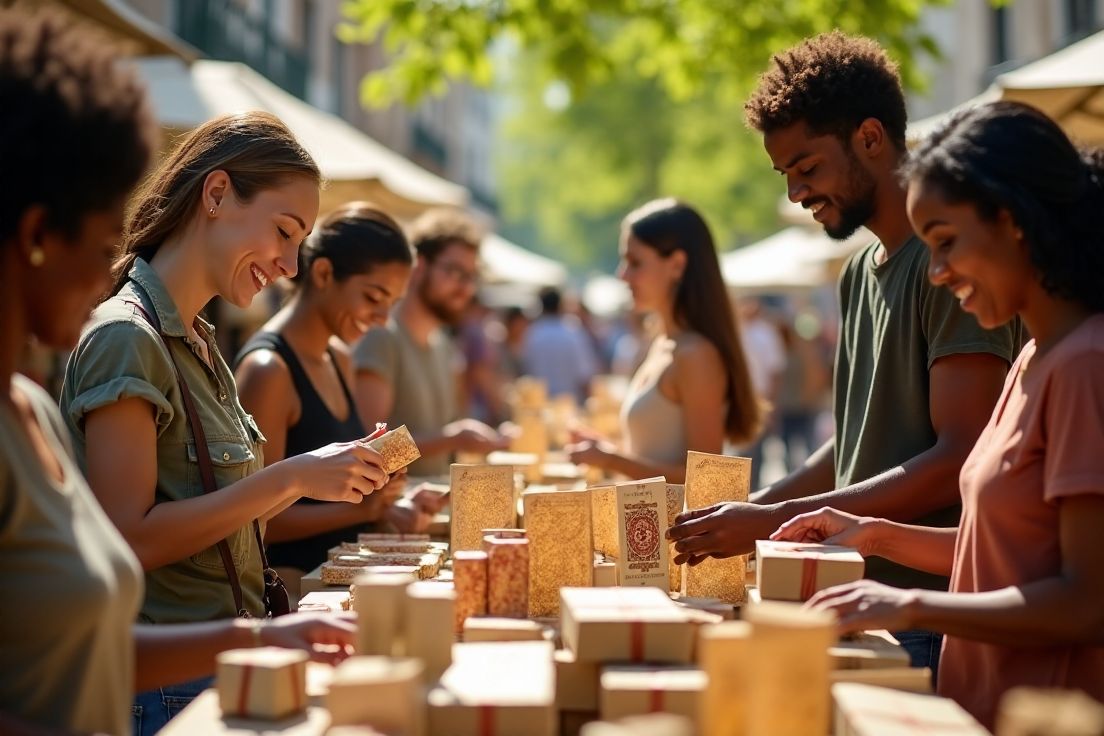
In today’s marketplace, the choice of packaging influences how consumers feel about their purchases. When people see products in paper packaging, they often think of quality and care. The design and feel of paper not only make items look good but also create a connection to the brand. This connection plays an important role in shaping consumer preferences and decisions.
The richness of paper packaging can spark interest in a product. Colors, textures, and designs come together to tell a story about the brand, making it memorable. When shoppers feel this sense of creativity, they are more likely to return to that brand in the future.
Moreover, the tactile nature of paper can elevate the overall experience.
Ripping open a paper package or handling a beautifully designed box can enhance satisfaction during the shopping process. This enjoyment stretches beyond just the product itself; it encompasses the entire interaction with the packaging.
Paper also offers a sense of authenticity that many consumers seek. Products in paper packaging are often associated with being natural, inviting thoughts of fresh ingredients or traditional craftsmanship.
The experience of engaging with paper packaging significantly contributes to consumer satisfaction, influencing perceptions of quality and authenticity. Here are some key points that highlight the benefits of paper packaging:
- Paper packaging promotes a tactile experience, adding a sensory dimension that enhances overall enjoyment.
- The aesthetic appeal of well-designed paper packaging can make products feel more special and luxurious.
- Many consumers associate paper with artisanal products, evoking feelings of heritage and craftsmanship.
- Paper’s ability to be printed with vibrant colors and intricate designs allows brands to effectively communicate their identity.
- Using paper packaging can create a memorable unboxing experience, encouraging repeat purchases and brand loyalty.
This perception increases consumer trust and makes shoppers feel good about their choices.
Additionally, strong branding is evident in paper packaging. Companies can use various printing techniques to communicate their message clearly and attractively. This direct and appealing way of connecting with consumers can lead to stronger loyalty, as people tend to gravitate towards brands they can relate to.
The rise of online shopping has also amplified the importance of packaging. When customers receive their orders, the surprise and delight of quality paper can make a positive impression. A great unboxing experience can turn first-time buyers into loyal customers.
Ultimately, paper packaging is not just about wrapping a product; it plays a vital role in shaping consumer satisfaction and preferences.
Brands that embrace this material can create lasting connections with shoppers, enhancing both trust and loyalty.
Consumer Perceptions of Paper Packaging Quality
Consumers’ views on the quality of paper packaging often stem from its physical characteristics. Many shoppers perceive paper as a more robust option compared to plastic. The sturdy nature of paper enhances the belief that the products inside are protected and of good quality. When a product is presented in attractive, thick paper, it can lead consumers to trust that the brand prioritizes quality, even before they open the package.
Another significant aspect is the design. Well-executed graphics and clever marketing on paper packaging can draw attention and create a memorable impression. Shoppers often associate intricate designs and vibrant colors with luxury and craftsmanship. This link between design and perceived quality can influence purchasing decisions, as people are more inclined to choose products that look appealing.
The tactile feel also plays a crucial role. Paper’s texture adds an element of engagement that plastic simply cannot match. When consumers touch the packaging, they often experience satisfaction, which can enhance their overall perception of the product inside. A textured finish or a matte appearance can evoke feelings of comfort and trust, leading to a positive impression of the brand.
Moreover, consumers often connect the use of paper packaging with eco-friendly practices, even if it’s not explicitly stated. This perception can elevate the status of a product, making it more desirable. Even those who may not be overtly focused on environmental issues might favor items in paper packaging simply because it feels more natural and appealing to them.
Having high-quality paper packaging impacts the overall satisfaction of consumers post-purchase.
Emotional Connections Triggered by Paper Packaging
When consumers experience paper packaging, it often sparks emotional connections that go beyond the product itself. The warmth of the material can transport shoppers to nostalgic moments, evoking memories from childhood or comforting experiences. These feelings can create a strong bond between the consumer and the product, making it more than just an item, but a part of cherished memories.
The tactile nature of paper also plays a crucial role in shaping emotions.
When shoppers touch paper packaging, they may feel a blend of comfort and satisfaction. This interaction invites a sense of trust and reliability. People appreciate textures that feel authentic and substantial, which enhances their overall experience and enjoyment.
Furthermore, the visual aspect of paper packaging contributes to emotional responses.
Understanding the impact of paper packaging on shopper psychology reveals various factors that contribute to a positive purchasing experience.
- The tactile experience of paper packaging fosters a connection that modern consumers crave.
- Authentic textures increase perceived product value, making items feel more premium.
- Consumers often associate paper packaging with quality, enhancing brand loyalty.
- Visually appealing designs on paper packaging engage shoppers and draw their attention.
- A sense of nostalgia can be evoked through traditional paper materials, enriching emotional engagement.
Attractive designs and vibrant colors can excite consumers, drawing them in and creating a desire to explore more about the product. The artistry involved in designing paper packaging signals thoughtfulness from the brand, which can reinforce feelings of appreciation and connection.
As consumers unbox products packaged in paper, the anticipation and excitement can lead to joyful moments. Each unwrapping can feel like a gift, heightening their emotional experience with the brand.
If the product inside meets or exceeds their expectations, that connection strengthens, encouraging repeat purchases and loyalty.
Ultimately, paper packaging has the power to forge emotional connections that enhance customer satisfaction. It invites consumers into a world of comfort, reliability, and joy, making their shopping experience more memorable and meaningful. These rich emotional ties can lead to long-lasting loyalty, driving consumers to come back for more.
The Influence of Paper Packaging Aesthetics on Purchase Decisions
The aesthetics of paper packaging can significantly shape consumers’ purchase decisions. Attractive designs, vibrant colors, and unique textures create a memorable experience that captures shoppers’ attention. For many, the look and feel of paper packaging are just as important as the product itself.
When products are wrapped in beautifully designed paper, customers often perceive them as more valuable.
Eye-catching graphics and artistic styles can evoke emotions, making the products seem special and desirable. This emotional reaction can lead shoppers to choose one item over another that might not have the same visual appeal, even if the products are similar in quality.
The tactile experience of touching paper packaging also influences purchase choices. Many consumers enjoy the feel of paper, which can convey a sense of quality and care.
This physical engagement can enhance their overall impression of the product. The subtleties of texturewhether smooth, rough, or texturedcan create a deeper connection between the consumer and the brand.
Moreover, how well a product is presented can also indicate a brand’s attention to detail. Thoughtful designs that match the product’s identity help reinforce brand messaging.
When shoppers see packaging that reflects the brands values or story, they are more likely to feel drawn to the product and make a purchase.
The unboxing process can further increase satisfaction, as consumers look forward to revealing what is inside. High-quality paper packaging can enhance this experience, making it feel more like a gift. The excitement tied to a great packaging experience can lead to positive associations with the brand, encouraging repeat purchases.
Frequently Asked Questions
This FAQ section addresses common questions regarding the impact of paper packaging on consumer preferences and experiences. Explore below to better understand why many shoppers gravitate towards products wrapped in paper.
What are the advantages of paper packaging compared to plastic?
Paper packaging is often perceived as more aesthetically pleasing and functional. It evokes feelings of warmth and authenticity, enhances customer satisfaction through tactile experience, and stands out on shelves compared to cold and industrial-looking plastic packaging.
How does paper packaging influence consumer perceptions of product quality?
Consumers frequently associate paper packaging with higher quality due to its weight and texture. The sturdy appearance of paper creates an impression of care and quality, leading to enhanced consumer trust and positive feelings about the product inside.
In what ways can paper packaging serve branding purposes?
Paper packaging provides a canvas for vibrant colors and intricate designs, allowing brands to effectively communicate their identity and values. This not only attracts consumer attention but also fosters an emotional connection, contributing to brand loyalty.
Why do consumers prefer paper packaging for food products?
Many shoppers associate paper packaging with safety and hygiene, making it a preferred choice for food items. It is often viewed as a healthier option that aligns with modern preferences for natural and wholesome products.
What emotional responses can paper packaging evoke in consumers?
Paper packaging can trigger feelings of nostalgia, comfort, and reliability. The tactile and visual appeal contributes to memorable shopping experiences, enhancing emotional ties to the brand and the products.
How does the unboxing experience with paper packaging impact consumer satisfaction?
The process of unboxing products wrapped in paper often generates excitement and joy. The anticipation associated with beautifully designed paper packaging can create memorable moments, reinforcing positive feelings toward the brand and encouraging repeat purchases.
What role does packaging design play in purchase decisions?
Attractive and thoughtful packaging design can significantly influence consumer choices. Eye-catching colors and textures make products stand out, while clear labeling and artistic presentation help communicate the brand’s message effectively, ultimately leading to higher purchase intentions.
Conclusion
The growing preference for paper packaging reveals a shift in consumer attitudes towards products. People associate paper with quality, care, and authenticity, enhancing their overall shopping experience. By using paper, brands can create a lasting impression and foster deeper emotional connections with their customers.
As consumers engage with attractive designs and tactile materials, their connection to a product often becomes more meaningful.
Related Posts