
Why Paper Packaging is Key for Brand Identity
Packaging is more than just a way to hold products; it plays a critical role in how people see a brand. The design, colors, and materials used in packaging send strong messages about what the brand stands for and the quality of its products.
When customers pick up a product for the first time, the packaging is often their first impression. A colorful and unique package can grab attention and prompt a deeper look at what’s inside, while a sleek and simple design can suggest elegance and reliability. Understanding the impact of packaging on consumer perception is essential for brands looking to connect with their audience and stand out in a crowded market.
Packaging’sImpactonBrandImage
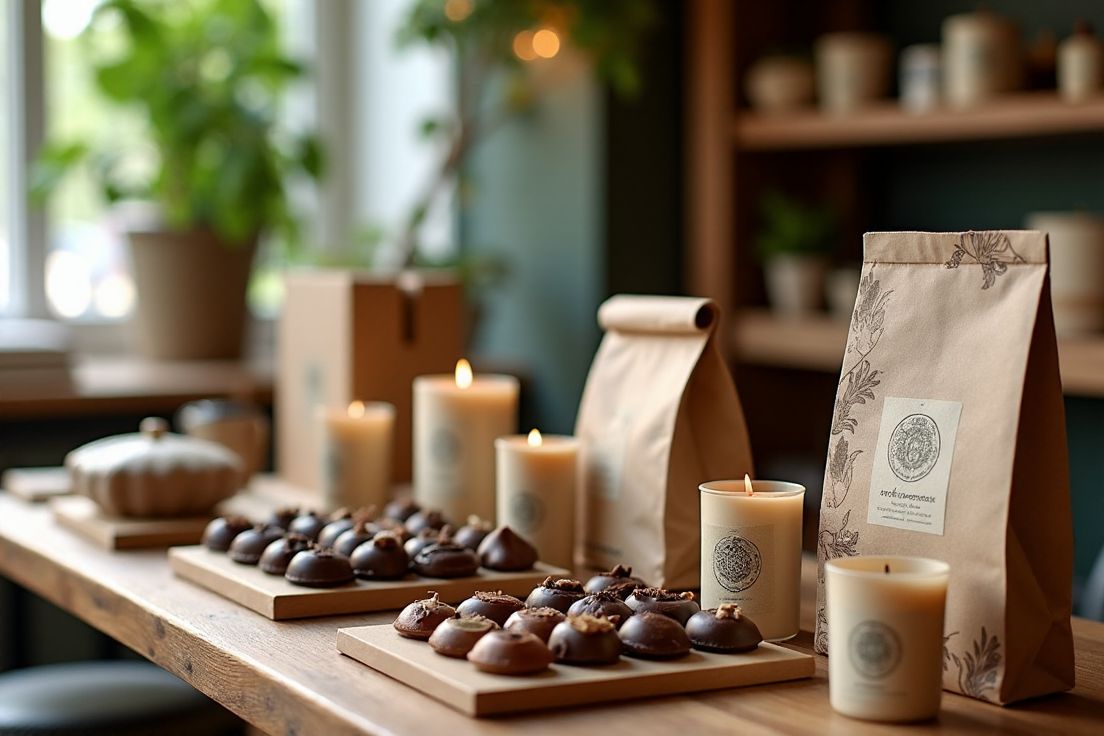
Packaging serves as a powerful visual and tactile element that can significantly influence how consumers perceive a brand. The design, color, and materials used in packaging all convey messages about quality, value, and the brand’s identity. For instance, a sleek, modern package can suggest innovation and high-end quality, while a fun and vibrant design may appeal to a younger audience looking for excitement and energy.
In a crowded market, eye-catching packaging can be the deciding factor in a consumer’s choice.
When shoppers are faced with numerous options, they often rely on packaging to make quick judgments. Therefore, unique and appealing packaging can create a memorable first impression, encouraging customers to pick a product over others.
Moreover, the choice of materials, such as paper packaging, can reinforce a brand’s identity. Consumers may associate paper packaging with tradition, reliability, and craftsmanship.
This connection can enhance a brand’s reputation, especially in markets where authenticity and heritage are valued.
It’s also important to consider how packaging affects user experience. Functional packaging that is easy to open, reseal, or store adds value to the product. A smooth unboxing experience creates a positive association, making customers more likely to engage with the brand again in the future.
Ultimately, the right packaging elevates the product’s presentation, conveys the brand’s message, and fosters a deeper connection with consumers, making it an essential element of brand perception.
The Impact of First Impressions on Brand Perception Through Packaging
First impressions play a crucial role in how consumers view a brand, and packaging is often the first interaction potential customers have with a product. When shoppers encounter a product for the first time, the packaging must convey key messages quickly and effectively. A striking design can intrigue consumers, making them want to learn more about what’s inside. Bright colors or unique shapes can capture attention, while simple and elegant designs can suggest sophistication and quality.
Understanding the impact of packaging on consumer perception is essential for brand success. The following table illustrates various aspects of packaging design and their effects on consumer attraction.
| Aspect of Packaging | Description | Effect on Consumer |
|---|---|---|
| Color | Bright or vibrant colors | Catches attention and stands out on shelves |
| Shape | Unique or novel shapes | Intrigues consumers and piques curiosity |
| Design Complexity | Simple, elegant designs | Conveys sophistication and high quality |
| Branding | Incorporation of logo and brand elements | Enhances brand recognition and loyalty |
| Material | Choice of packaging material | Influences perception of quality and value |
| Information | Clear messaging and product information | Helps consumers make informed decisions quickly |
Consistency in packaging design also reinforces brand identity. When consumers see familiar packaging, they immediately associate it with quality and trust, making them more likely to choose that product over others. This recognition builds loyalty and can turn a one-time buyer into a repeat customer. Furthermore, thoughtful packaging enhances the overall user experience, leaving a lasting impression that can shape future buying decisions.
For brands using paper packaging, the tactile experience adds an extra layer to first impressions. The feel and look of paper can communicate a sense of authenticity and cherish craftsmanship, appealing to consumers’ emotions. The choice of materials can evoke nostalgia, drawing consumers closer to the brand’s story. All of these elements work together to create a strong initial perception, influencing purchasing behavior and brand loyalty.
The Influence of Color Psychology in Packaging Design
Color plays a critical role in packaging design, affecting how consumers feel about a product before they even try it. Different colors can evoke various emotions and reactions, making them powerful tools for brands. For example, red can stimulate excitement and urgency, often used in products designed to grab attention quickly. It creates a sense of boldness that can attract impulse buyers.
On the other hand, blue tends to convey trust and reliability, making it a popular choice for brands in sectors like finance and health.
You can see how colors influence not just choices but also brand loyalty. A consistent color scheme can help consumers remember a brand more easily, making them more likely to buy again. Green is frequently associated with health and freshness, ideal for organic or natural products, while yellow radiates warmth and happiness, often attracting younger consumers or those looking for something cheerful.
Colors play a significant role in shaping consumer perceptions and brand identities. Understanding how different colors are associated with various traits can enhance brand strategy and marketing efforts.
- Blue instills a sense of calm and trust, making it a reliable option for companies looking to build consumer confidence.
- Consistency in color usage across branding efforts enhances brand recognition and loyalty.
- Green suggests health and vitality, making it a perfect choice for brands focusing on wellness and organic products.
- Yellow can create a sense of optimism and cheerfulness, effectively appealing to younger audiences and those seeking joy in their purchases.
- Color psychology can impact consumer behavior, influencing not only initial choices but also repeat purchases and brand preference.
The choice of color also needs to connect with the overall message of the product. For instance, luxurious items often utilize black or gold, signifying elegance and exclusivity. Using the right combination of colors can create a harmonious look that speaks to a brands values and identity.
Moreover, color psychology can enhance the physical aspects of a product, especially when using materials like paper for packaging.
Paper can absorb colors differently compared to plastic or metal, often providing a more organic or artisanal feel. This not only impacts visual appeal but can also make consumers feel more connected to the products story and the brand itself.
In a marketplace where choices are abundant, the psychological influence of color in packaging cannot be underestimated. Brands that understand how colors work can better engage their audience, ensuring that their products stand out and resonate with consumers emotions.
How Typography Choices in Packaging Affect Brand Identity
Typography is a crucial part of packaging design that can strongly influence how people see a brand. The font style, size, and arrangement of text can communicate different feelings and messages. For example, a bold, modern typeface might suggest innovation and energy, attracting a younger audience. In contrast, a traditional serif font often gives a sense of reliability and quality, appealing to those who favor classic styles.
Different industries benefit from different typography choices. A high-end product might use elegant, flowing fonts that convey luxury, while a childrens product may opt for playful and fun lettering that grabs attention. This choice helps in matching the brand’s personality with its target audience.
Readability is another important factor to consider.
Clear and easy-to-read fonts allow consumers to quickly grasp product information. If the text on the packaging is hard to read, potential customers might overlook the product entirely, damaging brand visibility.
When using paper packaging, typography can have an even more impactful role. The tactile nature of paper combines with typography to provide a unique feel that can evoke emotions.
Effective typography on packaging plays a crucial role in consumer engagement and brand perception. Here are some key points to consider:
- Legible fonts enhance consumer understanding, leading to informed purchasing decisions.
- Text readability increases product visibility, attracting potential customers and increasing sales.
- Typography on paper packaging adds a sensory dimension, creating a memorable brand experience.
- Consistent font styles reinforce brand identity and contribute to overall brand recognition.
- Creative typography can evoke emotions, making the product more appealing and relatable to the consumer.
A textured or embossed design can make a product feel more premium and special, enhancing the overall experience for consumers when they interact with the packaging.
In a marketplace filled with choices, effective typography stands out. When combined with accurate messaging, it helps build a brand’s identity and can turn an ordinary product into something memorable. This connection can establish trust and encourage customer loyalty, making typography a key element in successful packaging strategies.
The Impact of Packaging on Consumer Brand Image
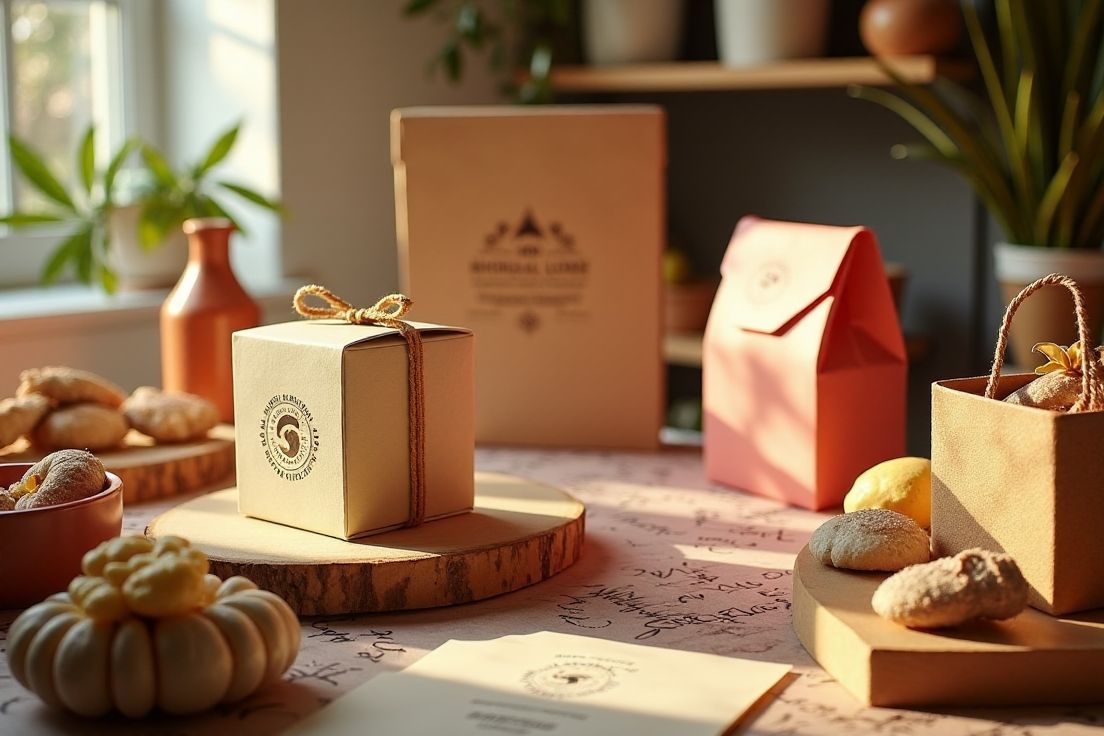
Packaging impacts how consumers view a brand, acting as the first touchpoint in their experience. It can create feelings of excitement, trust, or nostalgia, influencing a potential buyer’s decision. From the moment they lay eyes on it, striking visuals can evoke interest and curiosity, prompting them to explore further. When consumers see familiar designs, they often feel a sense of comfort and reliability, which can lead to brand loyalty.
This connection is particularly strong for products with strong heritage and craftsmanship, where the packaging itself tells a story.
The choice of materials plays a significant role in shaping perceptions as well. Paper packaging, for instance, can communicate a sense of tradition and authenticity. The texture and appearance of paper can enhance the product’s overall attractiveness, making it feel more special.
This tactile experience helps customers feel more connected to the product and the brand behind it.
Moreover, exceptional packaging can encourage sharing and recommendations among friends and family, further boosting brand visibility. Unique designs or innovative packaging ideas make for good conversation starters, extending the brand’s reach beyond just the store shelf. An impressive unboxing experience can turn customers into brand advocates.
The Impact of Packaging Materials on Brand Image
The choice of packaging materials is crucial in forming a brand’s image. Different materials can evoke distinct emotions and associations in consumers. For instance, paper packaging tends to communicate a sense of warmth and authenticity. It often brings to mind traditional craftsmanship and a personal touch that many consumers find appealing.
Using paper can also suggest a brand’s commitment to quality. Many people associate products in paper packaging with high standards and care in production. This perception can elevate a product’s status in a crowded market, making it stand out against competitors using plastic or less tactile materials.
Moreover, the texture of paper adds a unique element to consumer interactions.
The feel of paper, whether it’s smooth, textured, or textured, enhances the unboxing experience. This tactile feedback can create a deeper emotional connection with the product, making customers more likely to remember it and the brand behind it.
In contrast, materials like plastic can lead to very different associations, often linked to mass production and lack of personality. Consumers might see plastic packaging as generic and less appealing, which can hinder a brands ability to differentiate itself.
How Design Choices Influence Consumer Perception
Design choices play a pivotal role in shaping how consumers perceive a brand and its products. Every aspect, from colors to shapes and typography, contributes to a brand’s overall image. When a consumer sees a product, the first thing that catches their eye is often the design. An appealing design can spark interest and curiosity, making someone more likely to choose that product over others.
The use of specific colors can evoke emotions and associations, influencing a consumer’s decision. For instance, vibrant colors can create excitement, while softer tones may convey a sense of calmness. A brand that effectively uses color can stand out on the shelf and leave a lasting impression.
Shapes and forms also impact how consumers perceive products.
Color and shape play a critical role in brand perception and consumer behavior. Understanding how these elements affect emotions and decisions can empower brands to create a more impactful identity.
- Bright colors are often associated with energy and enthusiasm, capturing attention quickly.
- Soft colors can evoke feelings of tranquility and relaxation, making products feel approachable.
- Shapes like circles can convey positivity and unity, while sharp angles may suggest dynamism and aggressiveness.
- Consistency in color and shape helps reinforce brand recognition and loyalty among consumers.
- Cultural meanings of colors can vary, so understanding target audiences is crucial for effective branding.
Unique or innovative packaging shapes can grab attention and make a product memorable. If a product’s design is easily recognizable, it can foster a stronger connection with the consumer, encouraging repeat purchases.
Typography is another important aspect of design. The choice of font can communicate different messages about the brand.
A bold font might suggest fun and energy, while a classic serif font can evoke feelings of tradition and reliability. Clear and legible text is crucial, as it allows consumers to quickly understand what the product is and its benefits.
Moreover, materials used in packaging, such as paper, enhance consumer perception. The tactile feel of paper can convey quality and authenticity.
The Psychological Effects of Color in Packaging
The psychological impact of color in packaging is significant and can shape a consumer’s perception even before they interact with the product. Different colors can elicit specific emotions and reactions, which brands strategically utilize to influence buyer decisions. For example, red is often associated with excitement and urgency, making it a popular choice for products designed to capture immediate attention. On the other hand, blue typically conveys a sense of trust and dependability, ideal for brands in sectors like finance and healthcare.
Colors can also enhance a product’s appeal based on the intended message. For instance, green is linked to health and nature, making it a fitting choice for organic or natural products. Yellow can evoke feelings of cheerfulness and warmth, often attracting younger consumers or those in search of joy in their purchases.
The consistency in color application reinforces brand recognition.
A well-coordinated color palette helps consumers remember the brand and encourages them to choose it again. The choice of colors should align with the overall branding strategy to ensure that they complement the product’s identity and convey intended messages effectively.
Using colors effectively can significantly impact consumer behavior. As shoppers encounter numerous options, the psychological effects of color can make a product stand out, influencing their choices and encouraging loyalty to the brand.
Color plays a crucial role in branding, influencing consumer perceptions and decisions. Here are some key points to consider when developing a color strategy for your brand:
- A well-defined color scheme enhances brand recognition and recall among consumers.
- Colors evoke emotions and associations, making them powerful tools for conveying brand personality.
- Consistency in color usage across all marketing materials reinforces brand identity and trust.
- Different colors can target specific demographics and market segments effectively.
- Testing and analyzing color impact can guide adjustments to optimize consumer response and engagement.
Moreover, when utilizing materials like paper for packaging, the way colors appear can feel warmer and more authentic, enhancing the emotional connection between the product and the consumer.
The Role of Packaging in Brand Perception

Packaging is essential for creating a lasting impression of a brand. It not only protects the product but also serves as a communicator of the brand’s values and identity. When potential customers encounter a product, the packaging often influences their feelings and opinions before they even try what’s inside.
Eye-catching packaging can invite curiosity, encouraging consumers to pick up the product and learn more.
The materials chosen play a key role here. For instance, paper packaging is often perceived as more authentic and artisanal compared to plastic. This perception can enhance a brand’s image, making it seem more trustworthy and committed to quality.
Moreover, effective packaging design relies on elements such as color, shape, and typography.
Each of these aspects can evoke specific emotions, helping consumers form an attachment to the brand. Color choices, for example, can convey different moods and messages. A bold color might imply excitement, while softer tones can suggest calmness and reliability.
When packaging is consistent with the brands overall message, it helps create a sense of familiarity and loyalty among consumers.
Understanding how packaging influences consumer emotions is crucial for building strong brand connections. Here are some key points to consider:
- Color psychology plays a vital role; for instance, red can stimulate appetite, while blue often evokes trust.
- Distinctive typography used in packaging can enhance brand recognition and personality.
- Materials used in packaging can affect perception; eco-friendly materials may appeal to conscientious consumers.
- Unique shapes and designs can make products stand out on shelves, attracting consumer attention.
- Incorporating storytelling elements in packaging can deepen emotional connections and enhance brand loyalty.
People are more likely to return to brands they recognize and trust. Quality materials and thoughtful designs not only attract attention but also leave a strong impression that keeps customers coming back.
In the competitive market, unique and appealing packaging can make a product stand out. This visual impact is crucial because many consumers make split-second decisions based on what they see.
Thus, packaging design is not just a matter of aesthetics; it’s a strategic tool that shapes brand perceptions and helps drive purchasing decisions.
The Impact of Packaging Material on Consumer Trust
Packaging materials have a significant impact on how much consumers trust a brand. When people see products in paper packaging, they often think of quality and care. Paper has a tactile and visual appeal that can evoke feelings of warmth and authenticity. This leads customers to believe that the product inside is also well-made and trustworthy.
On the other hand, materials like plastic may create feelings of skepticism. Many consumers associate plastic with mass production and lower quality. This can cause doubts about the brand’s commitment to excellence. If a product is coated in shiny plastic, it might be seen as cheap or less appealing compared to something wrapped in beautiful paper.
Moreover, the choice of a brand’s packaging material can reflect its values. For example, brands that choose paper may suggest to consumers that they value traditional craftsmanship and quality. This can enhance consumer trust and encourage loyalty to the brand. Customers are more likely to return to a brand that they feel understands and prioritizes their needs.
Packaging materials also affect how memorable a product is to consumers. When a product stands out due to its unique paper packaging, it is more likely to be remembered. This memorability can enhance trust, as consumers tend to go back to brands they recognize and feel positive about. Repeated positive experiences with a brand help build trust over time.
Color Psychology in Packaging Design
Colors are more than just visuals; they are key players in how people feel about a product. In packaging design, choosing the right colors can change everything. For example, using bright colors can grab attention quickly, making a product stand out on the shelf. When shoppers see vibrant hues, they often feel excited and curious, which may lead them to choose that product over others.
Colors play a crucial role in consumer perception and behavior, especially in packaging design. Here are some key points about the impact of color in product packaging:
- Bright colors can instantly capture customer attention, increasing visibility in a crowded marketplace.
- Different colors evoke specific emotions; for instance, red often stimulates excitement while blue can convey trust.
- Color choices can influence brand identity, helping consumers associate particular hues with certain products or feelings.
- Using contrasting colors can enhance readability and make important information on packaging stand out.
- Strategically chosen colors can create a sense of urgency, encouraging impulse buying behaviors.
Different colors convey different emotions. Green is often linked to health, nature, and freshness, making it perfect for organic or natural products. On the other hand, blue creates a sense of calm and trust, making it a great pick for brands in finance or healthcare. This trust is crucial as it can encourage customers to feel secure in their purchases.
Additionally, color consistency across a brands packaging helps create a memorable identity. When consumers repeatedly see the same colors, they start to remember the brand better. This connection can turn casual buyers into loyal fans.
Using paper packaging adds another layer to the color experience.
Paper can absorb colors differently than plastic or metal, giving a more organic and warm feel. This unique presentation can enhance the emotional connection consumers have with the product, making it feel more authentic and special.
Color psychology is a powerful tool in marketing and branding. The right colors can elevate the perception of a product, encouraging consumers to pick it up and explore it further.
For brands, understanding how colors affect emotions and decisions is key to creating effective packaging that resonates with consumers.
The Influence of Texture in Brand Packaging
Texture plays an important role in brand packaging by creating a multisensory experience for consumers. When people touch a product, the feel of the packaging can spark emotions and influence their perceptions. For example, a soft, matte surface may feel more premium and inviting than a glossy finish. This tactile experience can make a brand seem more sophisticated, appealing to consumers looking for high-quality products.
Understanding the impact of texture in brand packaging is essential for creating a memorable consumer experience. Here are some key points highlighting its significance:
- Texture enhances the emotional connection between the consumer and the product, influencing purchase decisions.
- Different textures can evoke specific feelings; for instance, rough textures may convey ruggedness, while smooth surfaces suggest elegance.
- Packaging with unique textures differentiates a brand from competitors, making it stand out on shelves.
- The sensory feedback from tactile elements can reinforce brand identity, contributing to overall brand loyalty.
- Engaging multiple senses through texture can lead to increased consumer engagement and memorable interactions with the product.
When brands use paper packaging, texture becomes even more significant. Different paper types, like linen or recycled, can offer unique feels that convey messages about the brands identity. A textured paper surface can suggest craftsmanship and attention to detail. This aspect helps create a stronger emotional connection between the consumer and the brand.
The authenticity and warmth associated with paper can make consumers feel good about their buying choices.
Additionally, how textures interact with colors and designs can further elevate brand perception. For instance, a bold graphic on a textured background can enhance visual interest and draw attention. Shoppers are more likely to remember a product that engages multiple senses.
This engagement not only helps in grabbing a consumer’s attention but also encourages them to explore what is inside the packaging.
Moreover, remembering a positive sensory experience can lead to brand loyalty. A product with textured packaging stays in consumers’ minds long after they initially encounter it. When they return to the store, they may be more inclined to choose that brand again, feeling confident in its quality.
In a world full of options, memorable textures can set a brand apart.
Overall, the influence of texture in packaging is crucial for brands. It adds depth to the consumer’s experience, linking tactile sensations to brand identity. Whether its through softness, smoothness, or a unique visual pattern, texture reinforces messages about quality and authenticity, making it a vital aspect of effective packaging design.
Frequently Asked Questions
Welcome to our FAQ section where we address common questions about the impact of packaging on brand perception. Understanding how packaging influences consumer choices can significantly enhance brand strategies.
What role does packaging play in brand perception?
Packaging serves as a visual and tactile element that shapes how consumers perceive a brand, influencing their judgments about quality, value, and identity.
How do first impressions relate to packaging?
First impressions through packaging are crucial, as they are often the first interaction a consumer has with a product. Effective packaging can grab attention and convey key messages quickly.
What impact does color psychology have on packaging?
Color psychology significantly affects consumer emotions and decisions. Different colors can evoke specific feelings, making them powerful tools for influencing brand identity and consumer choice.
How does typography influence brand identity?
Typography is essential in packaging design, as it communicates different feelings and messages. Legible and well-chosen fonts enhance recognition and contribute to brand perception.
What are the implications of packaging materials?
The choice of packaging materials affects consumer trust and perception. Materials like paper can convey authenticity and quality, while plastic may lead to skepticism.
How does texture in packaging affect consumer engagement?
Texture creates a multisensory experience that can enhance emotional connections with consumers. Unique textures can differentiate a brand, making it stand out and fostering loyalty.
Why is consistent packaging design important?
Consistency in packaging design reinforces brand identity, helping consumers recognize and trust a brand over time, which can lead to repeat purchases.
Conclusion
Packaging is not just a protective layer; it plays a vital role in shaping how consumers view a brand. The design, colors, materials, and even texture contribute to the consumer’s overall experience and perception.
When packaging stands out, it can lead to curiosity and even loyalty from customers. The right choices in packaging can make a product feel special and connect deeply with its audience.
Related Posts