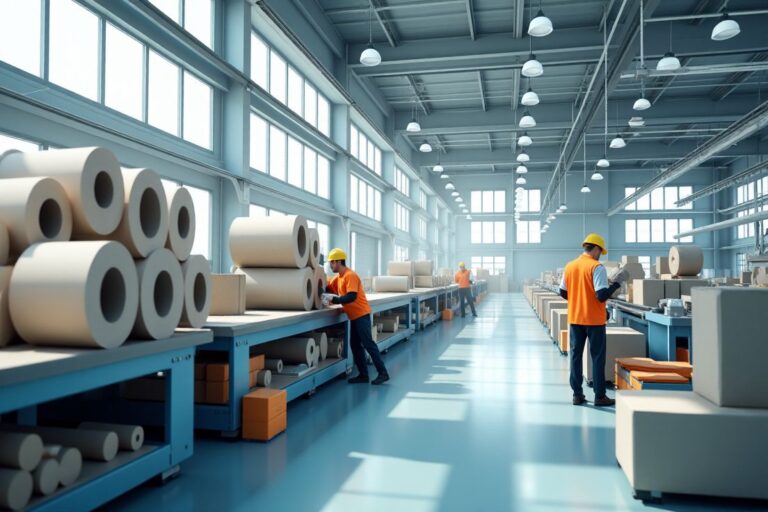
How to Make Your Packaging More Sustainable with Paper
In today’s world, the choice of packaging materials is more important than ever. One option gaining popularity is paper packaging, which comes with many advantages for both businesses and consumers.
Not only is paper versatile and customizable, but it also provides safety and an appealing look for products. Plus, it can be more cost-effective and environmentally friendly compared to other materials. In this article, we’ll explore the many benefits of choosing paper packaging and why it might be the right choice for your products.
The Advantages of Choosing Paper Packaging

Paper packaging offers several advantages that make it an excellent choice for consumers and businesses alike. One of the most appealing aspects is its versatility. It can be shaped and formed into various styles, from boxes to bags, allowing companies to create unique packaging solutions that fit their products perfectly.
Another significant benefit is the potential for customization.
Businesses can easily print designs, colors, and logos on paper packaging, which helps in branding and making products stand out on the shelves. Enhanced visual appeal often leads to increased sales as customers are attracted to well-presented items.
Cost-effectiveness is also a noteworthy factor. Generally, paper materials can be more affordable than some alternative packaging options, especially in bulk.
This makes it a practical choice for companies looking to reduce expenses while maintaining quality.
Additionally, paper packaging is lightweight, which can lead to lower shipping costs. Companies can save on transportation expenses while minimizing the carbon footprint associated with moving heavier materials.
The tactile nature of paper also plays a role in consumer experience.
Many people find paper to have a warmer and more organic feel compared to plastic or metal alternatives. This sensory connection can enhance customer satisfaction and brand loyalty.
By opting for paper packaging, businesses may also foster positive perceptions among consumers who appreciate thoughtful and responsible packaging choices. This can enhance a companys reputation and encourage customer loyalty over time.
The Role of Paper Packaging in Reducing Waste
Paper packaging plays a crucial role in minimizing waste and enhancing recycling efforts. Unlike many plastic materials, paper can be easily recycled and repurposed. When consumers choose paper options, they contribute to a cycle that promotes reuse and reduces the volume of waste sent to landfills. This cycle not only lessens the strain on waste management systems but also encourages responsible waste practices among consumers.
Furthermore, the degradation process of paper is generally much faster compared to plastics. When paper products are discarded, they break down naturally over time. This speedy decomposition helps to lessen the long-term impact on disposal sites. Shoppers are often drawn to products in paper packaging knowing they will not linger in the environment for decades.
In addition, companies that utilize paper can take advantage of its renewable properties. Many paper products are sourced from trees that are grown specifically for this purpose. This sustainable harvesting method ensures a continuous supply of raw materials while allowing forests to regenerate.
Lastly, innovative designs in paper packaging are constantly emerging, focusing on reducing excess material.
Utilizing paper as a resource offers multiple advantages that contribute to a more responsible approach in various industries. The following points highlight the benefits of using paper products:
- Paper comes from renewable resources, making it an appealing option for many businesses.
- The sourcing of paper products from specially grown trees supports forest regeneration.
- Advancements in paper packaging design prioritize minimizing waste and maximizing efficiency.
- Recycling efforts enable the repurposing of used paper, leading to reduced raw material demand.
- Innovative techniques in production create lighter and stronger paper products, reducing energy consumption in transit.
Advantages of Paper Over Plastic Packaging
One of the primary advantages of paper packaging is its ability to decompose naturally. When discarded, paper breaks down much quicker than plastic, which can last for hundreds of years in landfills. This means less long-term waste and a reduced visual impact on the landscape.
Additionally, paper has a lower environmental impact during production compared to plastic.
The energy required to create paper packaging is generally less than that needed for plastic, making it a more resource-efficient process.
Furthermore, paper is often perceived as a healthier option for food packaging. It does not leach harmful chemicals into consumables like some plastic materials can, providing a safer choice for food goods.
The recyclability of paper also stands out.
While some plastics can be recycled, many arent accepted in curbside programs due to contamination. Paper, on the other hand, can be recycled multiple times without losing its quality, encouraging consumers to make responsible choices.
Moreover, paper packaging supports local economies. Many paper products are produced from locally sourced materials, which boosts regional jobs and fosters community engagement in maintaining these industries.
Paper Packaging: A Smart Choice for Economic Gains
Choosing paper packaging can lead to significant economic advantages for businesses. First, since paper materials are typically less expensive than many plastic and metal alternatives, companies can lower their production costs. Buying paper in bulk often results in better deals, helping businesses to stretch their budgets further.
Shipping is another area where companies can save money.
Paper packaging is generally lighter, which decreases transportation costs. Lighter shipments mean that businesses can send more products at once or reduce their freight charges, both of which contribute to greater profitability.
Plus, the recyclability of paper reduces waste disposal costs. Many businesses today face fees for waste management, and using paper packaging can lessen the volume of waste sent to landfills.
This not only keeps costs down but also promotes an image of responsibility and care, which can resonate with customers.
In addition, companies that choose paper packaging may benefit from improved consumer perceptions. Shoppers are increasingly looking for brands that make thoughtful choices. A commitment to using paper can enhance brand loyalty, encouraging repeat purchases and attracting new customers who appreciate the switch.
The Advantages of Choosing Paper Packaging
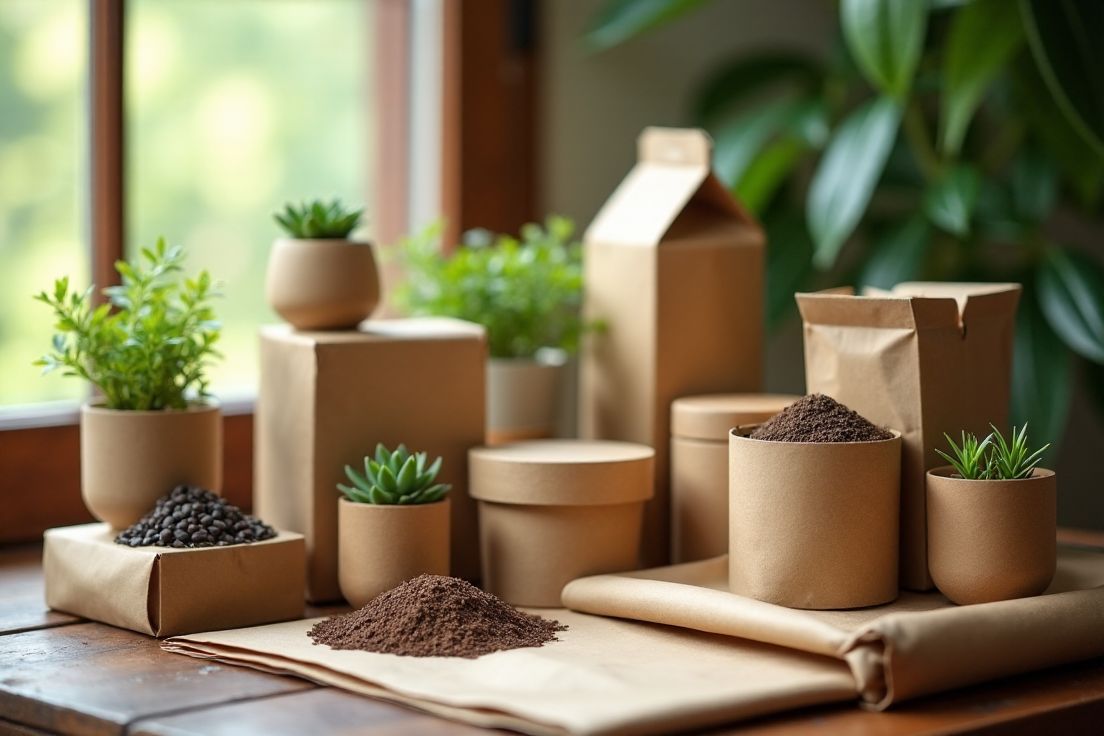
Using paper packaging has many benefits that make it an appealing option for both businesses and consumers. One key aspect is its ability to support branding efforts. Companies can easily add logos, images, and colorful designs to their paper products, helping their items to stand out from the competition in stores. This creates a stronger visual connection with customers, which can lead to higher sales and brand recognition.
In addition to aesthetics, paper packaging is known for its safety features. It does not contain harmful substances that can seep into food, making it a safer choice for packaging edible goods. Shoppers may feel more confident purchasing products in paper containers, enhancing their overall trust in the brand.
Moreover, the lightweight nature of paper often leads to reduced shipping expenses.
Because paper is typically lighter than plastic or metal packaging, businesses can optimize their shipping processes, allowing for more cost-effective delivery of products to retailers. These savings can be reinvested into other areas of a business, driving growth and efficiency.
Companies that use paper packaging can also enjoy positive consumer feedback. Todays shoppers often prefer brands that prioritize health and safety.
By choosing paper, businesses may align themselves with these consumer values, fostering loyalty and encouraging repeat purchases. The sense of responsibility tied with utilizing paper can attract more customers who are mindful of their choices.
Lastly, as more consumers shift towards supporting quality packaging, businesses that use paper can enhance their reputation and appeal. Consumers are increasingly aware of what they are supporting with their purchases, and paper packaging provides an opportunity to connect on this level.
By choosing paper, brands can strengthen their marketing strategies and meet the desires of todays informed customers.
Advantages of Using Paper for Packaging Materials
Utilizing paper for packaging materials offers a range of unique advantages. One benefit is its overall safety for consumers. Unlike certain plastic options, paper does not contain harmful chemicals that could contaminate food products. This can increase consumer trust and encourage purchases, especially for food items.
Another advantage is the ease of disposal. Since paper products break down more quickly than plastic, they tend to contribute less to long-lasting waste in landfills. Customers appreciate knowing their packaging wont linger in the environment for an extended time.
Moreover, paper can be a great choice for brands looking to enhance their public image.
The use of paper packaging reflects consideration for product safety and quality, attracting customers who value these traits. This positive perception might convert casual buyers into loyal customers.
In terms of design, paper allows for creativity. Businesses can easily print striking graphics and colors on their packaging.
This ability to stand out visually can be crucial in drawing attention in a crowded marketplace.
Finally, opting for paper can help streamline operations. Its lightweight nature ultimately leads to reduced shipping costs. This efficiency can improve profit margins while enabling businesses to allocate resources elsewhere, contributing to growth and success.
The Role of Paper Packaging in Resource Conservation
Paper packaging plays a vital role in conserving resources through its production and lifecycle. Since it is often derived from renewable sources, the materials used in paper packaging can be replanted and grown again. This makes a significant difference compared to non-renewable materials, which take much longer to source and are limited in availability.
Moreover, the process of making paper packaging generally consumes less energy than creating packaging from synthetic materials.
Paper packaging is an essential component of resource conservation, thanks to its renewable nature and energy-efficient production process. Here are some key points highlighting its advantages:
- Renewable Resources: Paper packaging is primarily made from trees, which can be replanted and regrown, ensuring a continuous supply of raw materials.
- Energy Efficiency: The production of paper packaging typically requires less energy compared to synthetic materials, leading to lower energy consumption overall.
- Biodegradability: Paper packaging tends to decompose more quickly and naturally than plastic, reducing long-term waste in landfills.
- Versatile Use: Paper packaging is adaptable and can be used for a wide variety of products, from food to retail items.
- Recyclability: Paper packaging can be easily recycled, contributing to a circular economy and minimizing the need for new raw materials.
Reduced energy use during manufacturing helps to preserve natural resources, making paper a more efficient choice for companies aiming to lower their overall resource consumption.
Once used, paper packaging can easily be recycled and turned into new products. This recycling process helps to extend the life of the fibers, reducing the need to harvest new trees for raw materials. Each time paper is recycled, it lessens demand for virgin resources, contributing to a more efficient use of the planet’s assets.
Additionally, innovative methods in paper production are focused on minimizing waste. By optimizing the manufacturing process, companies can lessen their overall usage of resources while producing high-quality packaging. Efficient designs also ensure that less material is needed without sacrificing functionality, resulting in a significant reduction in the amount of waste generated.
Through these practices, paper packaging demonstrates a clear commitment to resource conservation.
Businesses that prioritize it not only support responsible resource management but also align themselves with consumer preferences for eco-friendly and thoughtful packaging options.
Cost-Effectiveness of Paper Packaging Solutions
When considering paper packaging, its cost-effectiveness becomes a critical factor for many businesses. The initial expenses linked to purchasing raw materials can often be lower compared to plastic or metal options. This can provide manufacturers with greater flexibility in their budgets. When ordering in bulk, companies usually receive discounts, allowing them to maximize their financial resources.
Moreover, the lightweight quality of paper reduces shipping costs substantially. Companies can transport larger quantities of products without exceeding weight limits, making delivery more economical. This efficient shipping contributes directly to improved profit margins.
In addition to savings in production and shipping, businesses may experience lower disposal costs.
Paper generally takes up less space in landfills, and many waste management services offer lower rates for pollutants. With minimal impact on waste systems, companies can save money while also projecting a positive image to consumers.
Furthermore, brands that favor paper packaging can enhance their market appeal. As customers prioritize brands that take responsible actions, choosing paper can draw in a more loyal customer base.
The Advantages of Choosing Paper Packaging
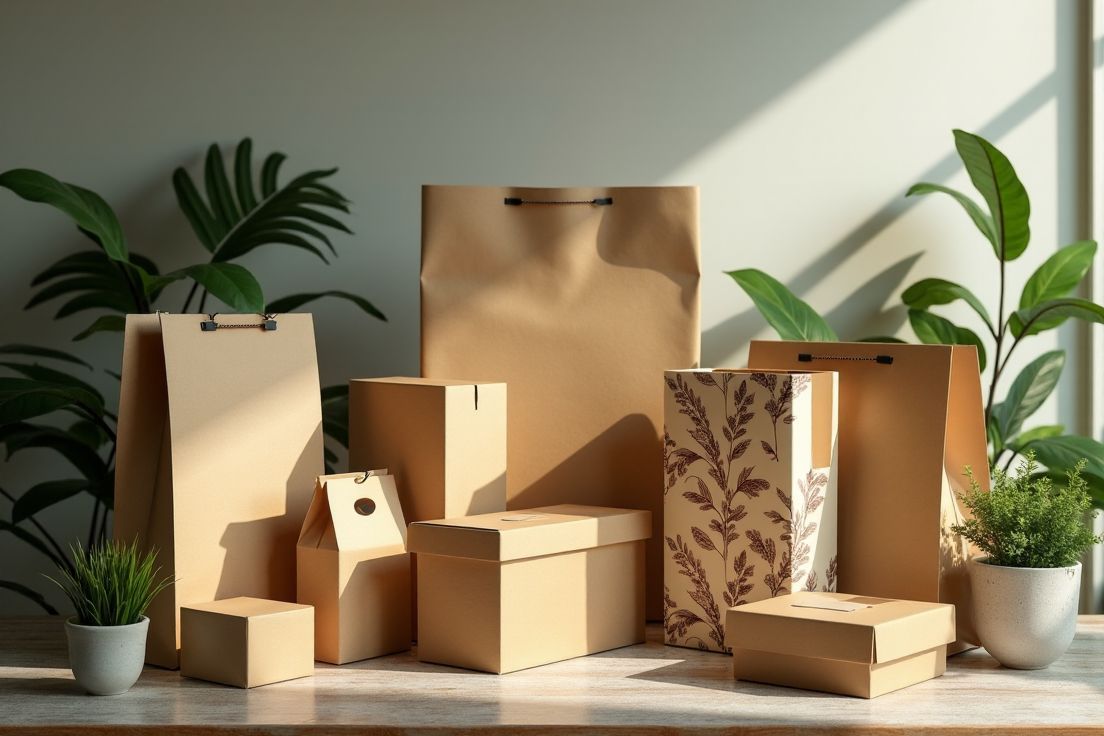
Paper packaging is an excellent choice that offers numerous advantages. One important benefit is the safety it provides. Paper does not have chemicals that can be harmful to food, which makes it a better option for packaging consumables. Consumers often feel more assured when buying products in paper packages, increasing their trust in brands that use this material.
In terms of practical benefits, paper packaging is generally easy to recycle. When people are finished using paper products, they can dispose of them without as much worry about contributing to long-lasting waste. This faster decomposition is appealing to many customers who wish to make responsible choices with their purchases.
Another key point relates to creativity in design.
Paper allows for vibrant colors, detailed graphics, and eye-catching logos. This ability to customize makes it easier for brands to create unique packaging that stands out on retail shelves. As a result, customers are more likely to notice and choose products with striking paper packaging.
Cost is also an important factor.
Paper packaging can be less expensive compared to other materials. Buying paper in bulk can yield savings too, aiding businesses in managing their expenses better. Moreover, since paper is lighter, shipping costs may decrease, which benefits the company’s bottom line.
Additionally, using paper can improve a brand’s image.
Advantages of Using Paper over Plastic Packaging
Another important benefit of using paper over plastic is the consumer perception of health and safety. Paper is typically seen as a cleaner and safer option, particularly for food items. Since it does not contain harmful chemicals that can migrate into food, shoppers often prefer products packaged in paper, increasing their confidence in the safety of what they are buying.
The ability to recycle paper efficiently stands out as a major advantage as well.
Many communities have established systems for recycling paper, making it easy for consumers to dispose of it responsibly. Unlike plastics, which can face contamination issues and complicated recycling processes, paper can be collected and reprocessed multiple times, making it a more straightforward choice for responsible disposal.
Additionally, the aesthetic appeal of paper packaging cannot be overlooked. Brands can utilize natural textures and vibrant designs that resonate with consumers on a visual level.
This not only enhances shelf presence but also creates a memorable experience, contributing to brand recognition and customer loyalty.
Cost efficiency is further enhanced by the fact that paper is often cheaper to produce and source in bulk than plastic. Companies stand to gain from the potential savings that come with using paper as a packaging option. These savings can be reallocated towards other business initiatives, driving growth and innovation.
Utilizing paper packaging offers several advantages that enhance consumer trust and contribute to a positive perception of health and safety. Below are key benefits of choosing paper over plastic:
- Perceived cleanliness: Paper is often regarded as a more hygienic material compared to plastic.
- Non-toxic: Paper packaging does not leach harmful chemicals into food products.
- Enhanced food preservation: Paper can provide better insulation for certain food items, promoting freshness.
- Consumer preference: Many shoppers actively seek out products packaged in paper for peace of mind.
- Recyclability: Paper is more easily recycled than plastic, adding to its appeal as a package choice.
The following table highlights the key advantages of using paper over plastic in terms of consumer perception, health and safety, and recycling efficiency.
| Advantage | Description |
|---|---|
| Consumer Trust | Paper is perceived as a cleaner and safer option for packaging. |
| Health Safety | Paper packaging does not contain harmful chemicals that could migrate into food. |
| Preference | Shoppers often prefer paper packaging, boosting their confidence in product safety. |
| Recyclability | Paper can be recycled efficiently, providing a significant advantage over plastic. |
| Market Demand | Increased consumer awareness leads to higher demand for paper packaging. |
Enhancing Brand Image through Eco-Friendly Packaging Choices
Eco-friendly packaging choices can significantly elevate a brands image, making it more appealing to a broad audience. When a brand commits to using materials like paper for its packaging, it often communicates to consumers that it values quality and responsibility. This strategic choice can leave a lasting impression, fostering feelings of trust and loyalty among customers.
Many consumers today are actively seeking brands that promote health-conscious products.
Brands that utilize eco-friendly packaging can create a strong, positive association with consumers. This choice not only enhances brand image but can also attract a loyal customer base. Below are key points emphasizing the benefits of eco-friendly packaging:
- Communicates commitment to quality and responsibility, enhancing customer perceptions.
- Appeals to a growing market segment of consumers who prioritize health-conscious choices.
- Encourages repeat purchases, as customers feel good about supporting responsible brands.
- Differentiates the brand in a competitive market, making it more memorable.
- Fosters a connection with consumers who value ethical consumption, leading to long-term loyalty.
By using paper packaging, brands can leverage the perception that paper is a safer, cleaner option compared to plastic. This perception enhances customer confidence, making them more likely to choose products that are packaged thoughtfully.
Moreover, eye-catching designs on paper packaging can create a memorable visual impact. Brands that creatively use colors and textures can make their products stand out on store shelves.
This artistic flair can not only attract more customers but also deepen brand recognition.
Transparency about packaging choices also plays a role in enhancing brand image. When companies openly share their commitment to using eco-friendly materials and reducing waste, it resonates with consumers who appreciate honesty. This connection can turn casual shoppers into loyal advocates for the brand.
The Role of Paper Packaging in Reducing Waste
Paper packaging significantly contributes to lessening waste and promoting recycling efforts. Its ability to be easily processed and reused makes it a popular choice over many plastics. When people opt for paper products, they help create a system that encourages recycling rather than throwing things away. This not only cuts down on the garbage that fills landfills but also nudges consumers toward more responsible disposal habits.
Another benefit is how quickly paper breaks down compared to plastic. When paper packaging is thrown away, it decomposes much faster, which is better for our land. Shoppers often prefer using paper items knowing they won’t stay in the environment for a long time.
Using paper also means tapping into its recyclable nature.
Many paper products are made from trees that can be replanted, allowing for continued production without depleting resources. Companies can source materials responsibly, which means they can keep making the products people want without harming the planet’s forests.
Additionally, paper packaging designs are becoming smarter and more efficient, focusing on using less material while still being functional. These improvements help businesses create less waste during production and packaging.
Frequently Asked Questions
This FAQ section addresses common questions regarding the advantages of choosing paper packaging, its benefits for businesses and consumers, and its impact on the environment.
What are the main benefits of using paper packaging over plastic?
Paper packaging decomposes naturally, has a lower environmental impact during production, and does not leach harmful chemicals into food. It is also often more aesthetically pleasing and easier to recycle.
How does paper packaging contribute to branding?
Businesses can customize paper packaging with logos, colors, and designs, enhancing their branding efforts and creating a stronger visual connection with consumers, which can lead to increased sales.
Is paper packaging cost-effective for businesses?
Yes, paper packaging can be less expensive to produce than plastic, especially when ordered in bulk. Additionally, its lightweight nature can help reduce shipping costs and disposal fees.
What impact does paper packaging have on waste reduction?
Paper packaging is easily recyclable and decomposes faster than plastic, helping to minimize landfill waste and encouraging responsible waste disposal habits among consumers.
How does using paper packaging improve consumer trust?
Consumers often view paper as a safer, cleaner option, particularly for food items. This perception enhances their confidence in the products, boosting brand loyalty.
Can paper packaging influence a company’s reputation?
Yes, opting for paper packaging can improve a company’s reputation, as it reflects a commitment to quality and responsibility. This can attract more customers who value these traits.
Are there innovative designs in paper packaging?
Absolutely! The industry is seeing continuous advancements in paper packaging design, focusing on maximizing efficiency while minimizing material use, leading to smarter and more eco-friendly solutions.
Conclusion
Choosing paper packaging brings a host of benefits that appeal to both businesses and consumers. Its versatility allows for various shapes and designs, making it easier for brands to stand out. Safety is another important advantage, as paper doesnt leach harmful chemicals into food items, which builds trust with shoppers.
Moreover, paper packaging is cost-effective.
It lowers production and shipping costs, allowing businesses to save money and reallocate those resources for growth. The ease of recycling paper also encourages responsible waste management and supports a cleaner environment.
Overall, using paper packaging is a smart choice that not only enhances brand image but also promotes responsible consumer behavior. As awareness grows, businesses that embrace paper packaging can attract loyal customers who appreciate quality and care in their products.
Related Posts