
How to Get the Most Out of Your Paper Products for Packaging
When it comes to packaging, the type of paper you choose can make a big difference. With so many options available, it’s essential to understand what each type offers and how it can meet your specific needs.
From sturdy cardboard to the lightweight charm of tissue paper, every paper option has its characteristics and uses. This guide will help you explore various paper products and discover which ones are best for your packaging solutions.
Exploring Various Paper Options for Effective Packaging

When selecting paper products for packaging, it’s important to consider their specific properties and how they fit your needs. Cardboard is a popular choice due to its strength and versatility. It can handle heavier items and is commonly used for boxes. On the other hand, kraft paper is known for its natural brown color and is often used for wrapping and packaging lighter items.
Its ability to be easily printed upon adds to its appeal for branding.
Another type of paper to consider is parchment paper. While commonly associated with baking, parchment is also used for wrapping food products. It provides a grease-resistant barrier that helps maintain food freshness.
Characteristics of Various Paper Types for Packaging
Various types of paper used for packaging have distinct characteristics that cater to different needs. For instance, paperboard offers a thicker composition than regular paper, making it ideal for boxes and sturdy containers. Its strength allows it to support heavier items, which can be useful for shipping and product display.
Also, recyclable options like corrugated paper are designed with added layers, providing extra cushioning for fragile products.
This table outlines various types of paper used for packaging, highlighting their characteristics and appropriate applications.
| Type of Paper | Characteristics | Common Uses |
|---|---|---|
| Paperboard | Thicker composition, sturdy | Boxes, containers |
| Corrugated Paper | Layered for extra cushioning | Shipping fragile items |
| Recycled Paper | Eco-friendly, various thicknesses | General packaging |
| High-Density Fiberboard | Very strong, moisture-resistant | Heavy-duty packaging |
| Newsprint | Thin, lightweight | Wraps, cushioning for lightweight items |
| Chipboard | Heavyweight, uncoated | Backing for packaging |
This design not only protects during transport but also allows for efficient stacking and storage. The fluted layer in corrugated paper adds durability, keeping contents safe.
On the lighter end, tissue paper is often utilized for wrapping delicate items. Its softness protects surfaces from scratches while adding a touch of elegance.
Many retailers use it in gift packaging, enhancing the overall presentation. Tissue paper is also available in various colors and patterns, increasing its decorative potential.
Specialty papers, such as greaseproof paper, are designed for specific uses. These papers resist oil and moisture, making them perfect for food items like baked goods or greasy foods.
Cardboard or Paperboard: Which Packaging Material Wins?
Cardboard and paperboard each come with unique advantages that cater to different packaging needs. Cardboard is typically thicker, which provides superb strength. This makes it an excellent choice for shipping heavier products safely. Its durability allows it to withstand rough handling during transport, reducing the risk of damage to contents.
Moreover, cardboard can be designed with multiple layers, giving it additional cushioning. This feature is crucial when packaging fragile items that require extra protection. It also offers excellent resistance to moisture, which is beneficial for items that might be exposed to humidity during shipping.
On the other hand, paperboard is lighter and often more versatile in terms of design.
It can be easily molded into various shapes, making it suitable for creating intricate packaging designs that enhance product presentation. Paperboard is also excellent for printing, allowing brands to showcase their graphics and information effectively.
The cost-effectiveness of paperboard makes it a popular choice for packaging smaller, lighter items, where heavy-duty materials are unnecessary. Additionally, the manufacturing process for both materials can be less resource-intensive, leading to more efficient production lines for different packaging applications.
Paperboard is a versatile and efficient packaging material that offers numerous benefits for product presentation and branding. Here are some key advantages:
- Highly customizable, allowing for intricate shapes and designs to enhance brand visibility.
- Excellent print quality enables vibrant graphics and clear product information, improving consumer engagement.
- Cost-effective for manufacturers and consumers, making it ideal for packaging smaller and lighter items.
- Efficient production processes contribute to faster turnaround times for packaging solutions.
- Widely recyclable, providing an option for brands looking to optimize their packaging strategies.
Choosing the Right Paper Weight for Your Packaging Needs
Choosing the right paper weight for your packaging is crucial to ensure that your products are well-protected during shipping and handling. Paper weight is generally measured in pounds or grams per square meter (gsm), which indicates how thick and sturdy the paper is.
For lightweight items, a paper weight around 60-80 gsm is often sufficient. This weight is suitable for products like small gifts, clothing, or lightweight food items.
Thinner, lighter paper can be wrapped around these items easily and is cost-effective.
If youre packaging something a bit heavier or fragile, consider paper weights ranging from 100-200 gsm. This range provides added strength and durability. It is ideal for boxes that might carry heavier products, providing good support and protection.
For very heavy or delicate productssuch as electronics, glass items, or equipmentselecting a paper weight of 300 gsm or more can offer the necessary reinforcement. This thicker paper ensures that your items are secured during transport, minimizing the risk of damage.
Keep in mind the appearance of your packaging as well. Thicker paper can often provide a more premium look and feel, which might be important for branding purposes.
On the other hand, lighter papers can still create an attractive presentation, especially when styled with design elements.
Additionally, consider the purpose of the packaging. If it’s for shipping, focus on durability and protection. If its for display on retail shelves, printing quality is more critical; thus, a paper weight that can achieve high-quality printing should be prioritized.
Ultimately, the choice of paper weight should match both your product requirements and your overall packaging strategy to ensure successful packaging solutions.
Exploring Various Paper Packaging Solutions

Choosing the right type of paper for packaging can greatly influence the effectiveness and appeal of your products. Among the various options, paper laminate stands out for its ability to combine durability with a polished look. Its often used for products that require both protection and an attractive appearance, such as snack packaging or boxed goods. The layered structure helps resist moisture, making it suitable for food items.
For items that may require breathability, often seen with perishable goods, using wax paper can be beneficial. Wax paper is coated with a layer of wax to create a moisture barrier while still allowing air circulation. This makes it an excellent choice for wrapping products like sandwiches or baked goods where moisture management is crucial.
Another noteworthy option is foil paper, which provides excellent protection against light, moisture, and oxygen.
This makes it an ideal choice for packaging sensitive items, such as certain pharmaceuticals or gourmet foods. Its ability to maintain freshness can greatly extend product shelf life.
When considering packaging, it’s also essential to think about the finish of the paper. Glossy finishes can enhance colors and graphics, making products stand out on shelves.
Matte finishes, on the other hand, convey a more understated elegance and can be more tactile. The choice between these finishes ultimately influences consumer perception and can enhance brand identity.
Lastly, it’s important to take into account the intended use of the packaging. For instance, if the product will be shipped over long distances, a heavier, more robust paper may be needed to prevent damage.
Characteristics of Cardboard and Its Uses in Packaging
Cardboard is well-known for its durability and lightweight nature. These characteristics make it an excellent option for various packaging needs. Its sturdy structure easily supports a range of products, from small items to larger, bulkier goods. The layered construction of cardboard allows for enhanced strength.
This is particularly useful for packaging items that may endure rough handling during shipping or storage.
Another great feature of cardboard is its versatility. It can be formed into different shapes and sizes. This adaptability enables manufacturers to create customized packaging solutions that fit specific products.
Whether its a box for electronics or a container for food items, cardboard can meet diverse requirements.
Cardboard packaging is also relatively affordable. This economical purchase option makes it a favored choice for many businesses, especially startups and small companies looking to maintain low overhead costs. Additionally, its lightweight nature contributes to cost savings in shipping expenses, as lighter packages can help reduce shipping fees.
Moreover, cardboard can be treated to improve its protective qualities. Some types are designed to resist moisture, which is invaluable for preserving the integrity of the items within. This feature is especially important for items that may be exposed to humidity during transit.
In retail settings, cardboard is widely used for display purposes.
Its ability to be printed on facilitates branding opportunities, enabling companies to communicate their identity through eye-catching designs and graphics. This enhances product visibility and attracts consumer attention.
Overall, given its unique attributes and wide-ranging applications, cardboard stands out as a key material in the packaging industry. Its strength, customization potential, and cost-effectiveness make it appealing for a multitude of uses across sectors.
Cardboard is a versatile material that offers numerous advantages for businesses in the packaging industry. Here are some key points highlighting its benefits:
- Highly printable surface allows for creative branding and marketing.
- Lightweight yet strong, providing excellent product protection during shipping.
- Customization options available for size, shape, and design to meet specific needs.
- Cost-effective solution for packaging across various industries.
- Recyclable material, contributing to efficient resource management within companies.
Versatility and Benefits for Packaging Solutions
Packaging solutions offer remarkable versatility, catering to various needs across different industries. One significant benefit is the ability to customize packaging for specific products. Manufacturers can choose from various shapes, sizes, and designs, ensuring that their products are securely packaged while also looking appealing. This customization helps capture consumer attention and enhances brand identity.
The lightweight nature of many paper products is another advantage. Packaging that is not overly heavy can reduce shipping costs, making it easier for businesses to manage expenses. Companies can efficiently ship products without adding extra weight that could drive up transportation fees.
Moreover, the durability of paper materials enhances protection during handling and shipping.
Strong packaging minimizes the risk of damage, ensuring that items reach customers in good condition. This reliability is essential, especially for fragile products that require careful transport.
Additionally, the print quality of paper packaging allows for effective branding. High-resolution graphics and vibrant colors help to make products stand out on the shelves.
Types of Paperboard and Their Applications in Packaging
Paperboard comes in various types, each serving different packaging needs based on their specific qualities. One common type is single-layer paperboard, which is often used for lightweight products. It is an excellent choice for items like cereal boxes or snack packaging, where cost-effectiveness and ease of printing are key priorities.
Another popular variant is solid bleached board (SBB).
This type has a bright white surface, making it perfect for high-quality printing. Its often used in the cosmetic and food industries, where a polished look is essential for attracting customers.
Then theres folding carton board, which is lightweight yet strong. It is designed for easy folding and is frequently used for packaging everything from pharmaceuticals to electronics.
This type can be printed in vibrant colors to enhance brand visibility while providing necessary protection for the products inside.
For heavier and more robust packaging, you may find coated unbleached kraft board. This type combines strength with a natural look. It is frequently used for packaging bulk items like toilet paper or paper towels.
Its durability ensures that products remain secure during transport.
Lastly, theres chipboard. This type of paperboard is dense and often used for backing in packaging or in products like game boxes and phone cases. Its thickness makes it ideal for providing rigidity and structure.
Exploring Varieties of Paper Packaging Solutions
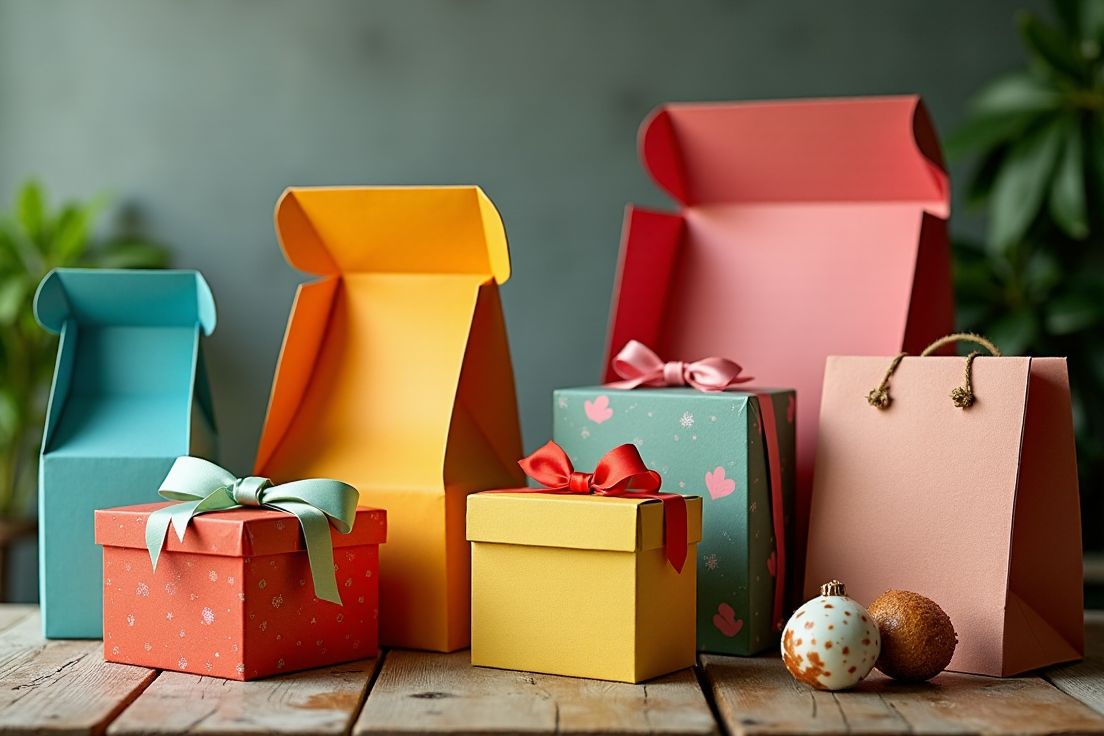
There are many options when it comes to paper products for packaging, and each type has its benefits and uses. For example, poly-coated paper is known for being resistant to moisture and grease. This makes it ideal for food packaging, such as for takeout containers or snack wrappers. Products that need to stay dry and fresh often utilize this material.
Another interesting paper type is tissue paper, often used to wrap items gently. It’s lightweight and provides a soft layer of protection, making it popular for delicate products like jewelry or glassware. The variety of colors and patterns available adds a decorative touch, making the packaging more appealing.
For heavier products, consider using chipboard.
Tissue paper is a versatile packaging option that provides both protection and aesthetic appeal for various products. Here are some key points highlighting its benefits:
- Lightweight design makes it easy to handle and use for various applications.
- Available in numerous colors and patterns, enhancing the visual appeal of packaging.
- Soft texture offers a gentle wrapping solution for delicate items.
- Ideal for use in gift packaging, adding a touch of elegance to presents.
- Can be easily customized or layered for added protection or design flexibility.
This dense and sturdy material works well as a backing for various types of packaging. Many board games and electronic products rely on chipboard for sturdiness and support.
Wax paper is also handy. Its wax coating creates a moisture barrier while allowing some air to pass through.
This makes it suitable for wrapping certain food items, ensuring they remain fresh while still being visible to customers.
The selection of packaging materials can directly affect the presentation and safety of a product. Choosing the right option not only protects the items inside but also helps in grabbing the consumer’s attention. High-quality packaging can give a product more appeal on the shelves, which can lead to increased sales.
Additionally, understanding the different finishes availablelike glossy or mattecan help enhance the overall look of the packaging. Glossy finishes can make colors pop, while matte finishes give a more sophisticated appearance. The right finish can reflect a brand’s image and attract more shoppers.
When making a decision on what paper product to use for packaging, its crucial to keep in mind the product’s requirements and the target audience.
Every choice, from material type to design, can either add value or detract from a consumer’s experience.
A Comprehensive Overview
A comprehensive overview of paper products for packaging focuses on the essential aspects that make each option unique and beneficial for various applications. Understanding these products helps businesses select the most suitable materials for their packaging needs, ensuring both safety and appeal.
Different types of paper materials offer varying levels of strength, flexibility, and printability, which are crucial factors to consider. For instance, thicker types like cardboard and paperboard provide excellent support for heavier items, while lighter options like tissue paper and kraft paper are ideal for delicate products or lightweight applications.
This balance between weight and durability directly impacts shipping costs and product protection.
Moreover, the appearance of packaging plays a significant role in consumer perception. High-quality finishes, whether glossy or matte, can enhance the overall aesthetic of the product. This not only helps attract attention on store shelves but can also effectively communicate branding messages.
Additionally, customization options available in paper products allow businesses to tailor their packaging to specific products, adding unique designs and features. This is especially important for creating a strong brand identity and enhancing product presentation. Different types of coatings, such as foil or wax, can also provide extra protection against moisture and other environmental factors that might compromise product integrity.
Finally, the choice of paperweight is essential.
This section outlines key features of various paper products used in packaging, highlighting their unique characteristics and applications. Understanding these features aids in the selection of the best materials for fulfilling specific packaging requirements.
- Cardboard: Offers exceptional strength and durability, making it suitable for shipping and heavy-duty applications.
- Paperboard: Thicker than standard paper, ideal for product packaging that requires structural integrity.
- Kraft Paper: Known for its tear resistance and natural appearance, great for eco-friendly packaging or wrapping.
- Tissue Paper: Lightweight and delicate, perfect for wrapping fragile items or as protective liners.
- Coated Paper: Provides excellent printability and glossy finish, suitable for high-quality graphics in retail packaging.
Selecting the Right Thickness for Your Packaging Needs
Choosing the right thickness for your packaging is essential to ensure your products are safe and presentable. The thickness you select will affect how well your items are protected during shipping and handling. If you’re packaging lightweight products, using thinner materials may be acceptable. For example, items like clothing or small gifts can often be packaged reliably with paper weights around 60-80 gsm.
For items that are a bit heavier or more fragile, its best to opt for a medium thickness, ranging from 100-200 gsm. This level of thickness provides the necessary strength to protect your products while ensuring they remain presentable. It works well for items like kitchenware or electronics, where added support is crucial.
When dealing with very heavy or delicate items, such as glassware or electronic devices, paper that is 300 gsm or more should be considered.
When selecting paper thickness for various products, it’s crucial to choose the right level for adequate protection and presentation. Here are some important points to consider:
- Medium thickness (100-200 gsm) is ideal for heavier or fragile items, providing the right balance of strength and appearance.
- Items such as kitchenware benefit greatly from medium thickness due to the additional support it offers during transport.
- For electronic devices, a 100-200 gsm paper ensures protection while maintaining a professional look.
- For very heavy or delicate items, such as glassware, using paper that is 300 gsm or more is recommended for maximum protection.
- Consider the weight and fragility of the item to determine the appropriate thickness for optimal safety and presentation.
This thicker paper not only offers better protection during transport but also reduces the risk of damage to the contents. Additionally, the heft of thicker paper can enhance the perceived value of the product, making it look more premium.
The intended use should also guide your choice of thickness. If the packaging will be displayed on store shelves, consider how the thickness contributes to the overall appearance.
Benefits of Recycled Paper Products in Packaging
Recycled paper products offer several advantages for packaging that can greatly benefit businesses. First and foremost, using recycled materials helps to conserve natural resources. As these products come from previously used paper, less fresh timber is required for manufacturing, which reduces the demand for new raw materials.
Additionally, many consumers appreciate eco-friendly practices.
Products made from recycled paper can enhance a company’s image, making it more appealing to customers who value responsible production methods. This appeal can lead to increased sales and customer loyalty.
Another significant benefit is cost-effectiveness. Producing recycled paper typically requires less energy than creating paper from virgin fibers, potentially lowering production costs.
Utilizing recycled paper products offers numerous advantages for companies looking to strengthen their brand while optimizing costs. Below are key points highlighting the benefits:
- Enhances brand image by promoting responsible production practices.
- Attracts eco-conscious customers, improving overall customer attraction.
- Increases customer loyalty as consumers increasingly prefer brands with ethical practices.
- Reduces production costs by using less energy in the manufacturing process.
- Helps in differentiating the brand in a competitive market, providing a unique selling proposition.
Businesses can pass these savings on to consumers or reinvest them into other areas.
Recycled paper products can also be versatile in their applications. They come in various thicknesses and finishes, making them suitable for different packaging needs. Whether it’s lightweight wrap for delicate items or sturdy boxes for heavier products, recycled options can accommodate a range of products.
Frequently Asked Questions
This FAQ section provides answers to common questions regarding the selection and use of paper products for packaging, helping to clarify their properties and applications.
What are the main types of paper products used for packaging?
The main types of paper products for packaging include cardboard, kraft paper, paperboard, corrugated paper, parchment paper, and specialty papers like wax and foil paper. Each type serves different purposes based on its characteristics.
How do I choose between cardboard and paperboard for my packaging needs?
Cardboard is thicker and stronger, making it suitable for heavier items and shipping. Paperboard is lighter and more versatile for design, often used for smaller or lighter products. Consider the weight and fragility of your items when making a decision.
What is the significance of paper weight in packaging?
Paper weight, measured in pounds or grams per square meter (gsm), affects the strength and durability of the packaging. Thicker paper (over 300 gsm) is better for heavy or fragile items, while lighter paper (60-80 gsm) works for lightweight products.
Can paper packaging be customized for branding?
Yes, paper packaging can be highly customized, allowing for unique shapes, sizes, and prints. This customization enhances brand visibility and consumer engagement through eye-catching designs and high-quality printing.
What role does finish play in the appearance of paper packaging?
The finish of paper packaging, such as glossy or matte, significantly influences its aesthetic appeal. Glossy finishes enhance colors and graphics, making the product stand out, while matte finishes convey a more understated elegance.
What are the benefits of using recycled paper products for packaging?
Using recycled paper helps conserve resources and can improve a company’s brand image by appealing to eco-conscious consumers. Additionally, recycled paper often reduces production costs and can vary in thickness and finish for different packaging requirements.
Conclusion
Selecting the right paper product for packaging can make a big difference in how well your items are protected and presented. With choices like cardboard, paperboard, kraft paper, and specialty papers, each type offers unique advantages for different needs.
Understanding the properties of each paper type helps to ensure that your products remain safe during shipping and appealing to customers. Whether you’re packaging lightweight gifts in tissue paper or sturdy electronics in heavy-duty cardboard, the right choice enhances both functionality and appearance.
By considering the qualities of various papers and how they fit with your packaging strategy, you can successfully meet your business’s needs while making a great impression on your customers.
Related Posts