The Future of Paper-Based Packaging Solutions
Paper-based packaging has come a long way over the years, transforming from simple wraps to advanced solutions that offer protection and functionality. In the past, the focus was mainly on basic uses, like wrapping products for shipment. However, as technology and materials advanced, manufacturers started to innovate and create more durable and effective packaging options.
Today, the evolution of paper packaging brings together creativity and practicality. Multi-layer structures have become common, enhancing protection against moisture and other elements that can damage products. With these advancements, companies can create not only functional packaging but also visually appealing designs that attract consumers’ attention.
Advancements in Paper Packaging Solutions
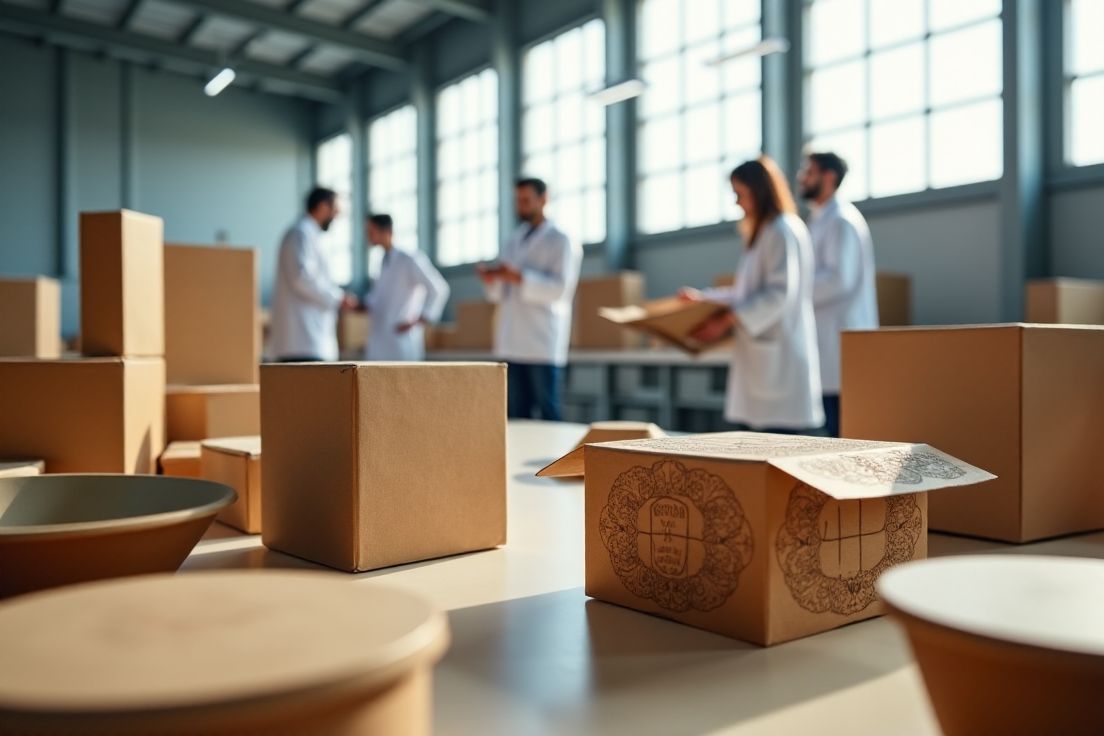
Over the years, paper-based packaging technologies have undergone significant changes. Originally, packaging made from paper focused primarily on basic functionalities such as wrapping and protecting products. With the progression of time, manufacturers began to explore various paper types and structures to enhance durability and functionality.
The introduction of multi-layer structures marked a crucial turning point.
The evolution of paper-based packaging technologies reflects advancements in material science and innovative engineering approaches. Below are key points highlighting this transformation:
- Enhanced material properties: Development of stronger, more resilient paper types for increased protection.
- Multi-layer structures: Introduction of layers for improved barrier properties against moisture and contaminants.
- Customizable designs: Ability to tailor packaging solutions to specific product requirements and brand identities.
- Advanced printing techniques: Use of high-quality printing for better visual appeal and branding opportunities.
- Integration of technology: Incorporation of smart features such as QR codes and RFID for enhanced functionality.
Throughout history, paper-based packaging technologies have evolved, leading to advancements in design and functionality. The following table highlights key developments in paper-based packaging over the years.
| Year/Period | Development | Description |
|---|---|---|
| Pre-20th Century | Basic Packaging | Focus on wrapping and protecting products using simple paper types. |
| Early 20th Century | Material Exploration | Manufacturers began experimenting with various paper types for better protection. |
| Mid-20th Century | Printing Advancements | Improved printing technology allowed for better branding and product information. |
| 1970s | Strength Enhancements | Development of stronger paper materials to withstand transportation stresses. |
| 1990s | Multi-layer Structures | Introduction of multi-layer paper structures for enhanced durability and functionality. |
| 2000s-Present | Custom Solutions | Tailored packaging solutions providing specialized functions for diverse products. |
This innovation combined different kinds of paper to form materials that resist moisture and properly protect food items. Not only did this improve performance, but it also opened the door for creative design options that brands could use for marketing and presentation.
As technology advanced, printing methods for paper packaging became more sophisticated. This allowed for high-quality graphics and vibrant colors, making products stand out on store shelves.
Companies embraced these innovations to connect better with consumers, relying on eye-catching visuals to boost sales.
Emerging technologies also incorporated recycling techniques that allowed used paper products to be processed and remade into new packaging. This not only provided a cost-effective solution but also promoted the idea of using materials that could provide a second life.
Today, the focus has shifted towards creating packaging that meets the demands of online retail.
As e-commerce continues to grow, paper-based packaging solutions are being designed for greater strength and resistance to damage during shipping. These modern innovations ensure that products arrive safely while still being visually appealing.
Looking forward, advancements in digital printing and smart technology could reshape how paper packaging is produced and utilized. Future designs might include interactive elements that engage consumers, such as embedded QR codes that lead to promotional content or product information.
Overall, the field of paper-based packaging continues to evolve rapidly, reflecting the changing needs and preferences of consumers.
Historical Milestones in Paper-Based Packaging Development
Throughout the history of paper-based packaging, several milestones mark significant advancements and innovations. In the early days, before the 20th century, basic packaging systems relied on simple paper, mainly for wrapping. This approach provided minimal protection and functionality.
As the 20th century began, industries started experimenting with different types of paper.
Paper-based packaging has evolved significantly over the years, reflecting advancements in materials and technology. Here are some key milestones in its development:
- Introduction of heavier weight paper for improved durability and protection of packaged goods.
- Development of corrugated paperboard in the early 1900s, revolutionizing shipping and storage.
- Innovation of multiple-layer paper products to enhance moisture resistance and structural integrity.
- Emergence of automated packaging processes, increasing efficiency in production and packaging lines.
- Adoption of printed paper packaging for branding and marketing purposes, enhancing consumer appeal.
This exploration led to improvements in strength and appearance. The introduction of paperboard in the early 1900s opened doors to more robust packaging solutions.
By the mid-20th century, printing technology saw remarkable improvements. Companies began using high-quality printing techniques, which allowed them to create appealing designs that enhanced product visibility in stores.
The 1970s brought further innovation with the development of stronger paper materials. These advancements ensured that paper packaging could withstand the rigors of transport, which was essential for growing markets.
In the 1990s, the introduction of multi-layer structures revolutionized the industry. These new designs improved barrier properties, protecting contents from moisture and other contaminants while adding to durability.
Moving into the 2000s and beyond, the focus shifted towards customization. Brands could tailor their packaging to meet specific needs and preferences, providing specialized solutions for a wide range of products. This adaptability continued alongside the advancements in digital printing technology, creating endless possibilities for unique and interactive designs.
As we look to the future, the integration of smart technology into paper packaging is on the horizon.
Concepts like embedded QR codes could lead consumers to additional product information or promotional content, transforming the way products are presented and enhancing consumer engagement.
Innovative Advances in Paper Packaging Solutions
Innovations in paper packaging materials are transforming how we think about packaging. A major development includes the use of biodegradable coatings. These coatings help prevent moisture and extend the freshness of products without relying on harmful plastics. This helps to protect contents while being friendly to the recycling process.
Lightweight materials are another significant enhancement. By reducing the weight of packaging while maintaining durability, companies can optimize shipping costs and logistics. This difference can lead to savings on transportation and makes it easier to handle packages.
Technological advancements also have led to better adhesives, which improve the strength and integrity of paper packaging.
These strong adhesives ensure that packages remain secure during transit, reducing the risk of damage.
Moreover, innovations in barrier technology allow paper packages to resist oily and greasy substances, making them suitable for food products like snacks and takeout items. This development not only serves functional needs but also appeals to brands looking for eco-friendly options.
Finally, smart packaging features, like temperature sensors, are beginning to emerge.
Advancements in Printing Technology Shaping Packaging Innovations
Printing technology has played a vital role in the evolution of packaging by greatly enhancing both aesthetics and functionality. With advancements in printing techniques, manufacturers can now produce vibrant graphics and detailed images on paper packaging. This helps brands to stand out and attract consumers in a competitive market.
For instance, the ability to utilize high-resolution printing allows for unparalleled detail in designs.
Brands can showcase their logos, product information, and other essential details clearly, making it easier for consumers to make informed choices. This shift towards eye-catching visuals supports branding efforts and helps create a memorable impression.
Moreover, digital printing has revolutionized the industry by introducing flexible and cost-effective options for short runs and customizable designs. This means that brands can change packaging designs frequently based on marketing strategies, seasonal products, or even specific events.
Such adaptability offers a unique way to engage customers through ever-evolving visuals.
Labels and packaging can also feature innovative elements, such as QR codes or augmented reality codes, which provide consumers with instant access to interactive content. These features not only enhance the user experience but also encourage brand loyalty by connecting customers directly to product stories and promotions.
Looking ahead, the integration of new printing technologies could further transform packaging solutions.
Advancements in Paper Packaging Technologies
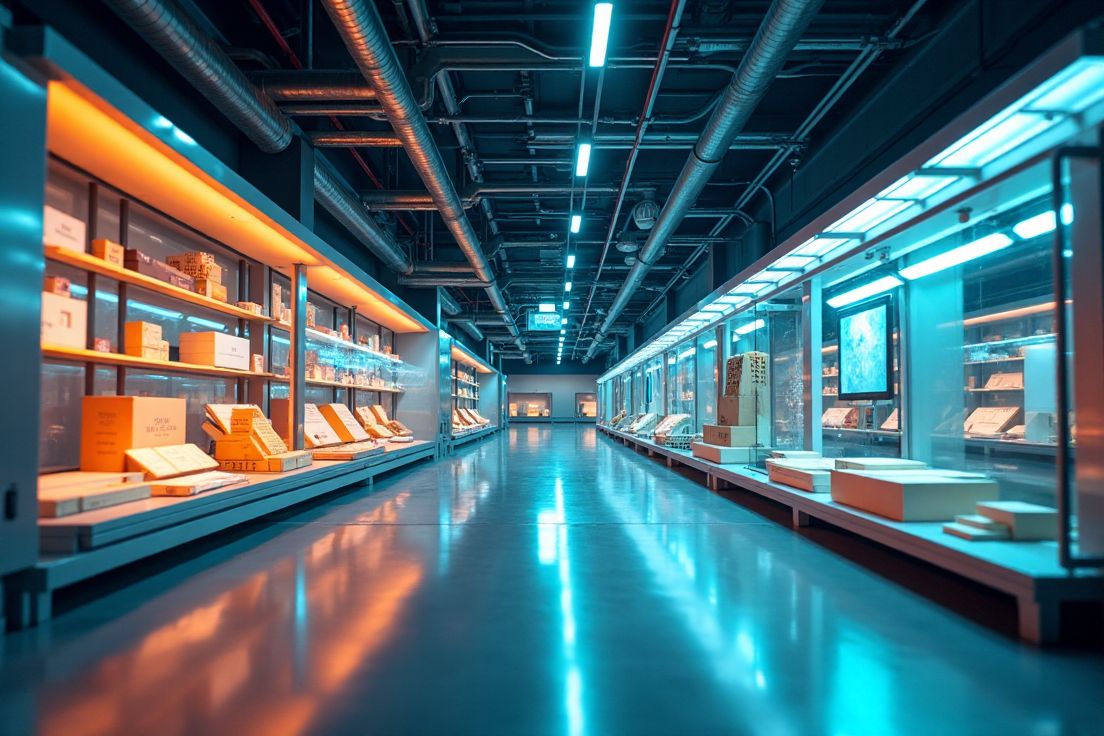
The field of paper-based packaging is exciting as companies and researchers continue to innovate. For instance, biodegradable coatings are now being utilized to create packages that resist moisture while also being compatible with recycling processes. Lightweight materials have also gained popularity, allowing companies to reduce shipping costs without sacrificing strength and security.
Another significant breakthrough is the development of advanced adhesives.
These strong adhesives ensure that paper packages stay secure during transit, preventing damage to the products inside. Additionally, barrier technologies have improved, enabling paper packages to withstand oils and greases, making them ideal for various food items like snacks and takeout.
As we look forward, integration of smart features into packaging is on the rise. Proposed technologies include temperature sensors, enabling better quality control for perishable goods.
As digital printing continues to advance, it promises even more customization options, allowing brands to create interactive packaging. This could engage consumers further by providing them with instant access to additional product information or promotions through QR codes embedded in the packaging.
The evolution of paper-based packaging technologies is not just about meeting current market demands; it’s also about preparing for the future. With ongoing advancements, companies are poised to make significant strides, ensuring that packaging not only serves its purpose but also enhances the overall consumer experience.
The Historical Transformation of Paper-Based Packaging Materials
The historical transformation of paper-based packaging materials is a fascinating journey that began with simple, single-layer applications. Early designs primarily served to wrap items, offering basic protection but limited functionality. As industries recognized the need for more robust solutions, experimentation with different types of paper became commonplace. This period saw innovations that led to heavier and more durable paper, allowing for better protection of goods during transport.
The early 20th century marked a pivotal moment in packaging history with the introduction of corrugated paperboard. This innovation revolutionized shipping, providing a sturdy and lightweight option for transporting larger quantities of products. Over the decades, the development of multi-layer structures emerged, combining different paper types to create packaging with enhanced moisture resistance and improved barrier properties. These advancements were crucial for food packaging, where maintaining freshness became a top priority.
The innovation of corrugated paperboard in the early 20th century significantly transformed the packaging industry. Here are some key points highlighting its impact and subsequent developments:
- The introduction of corrugated paperboard provided a cost-effective and efficient solution for shipping goods.
- Its lightweight nature helped reduce shipping costs and improve fuel efficiency during transportation.
- Multi-layer structures were developed to enhance durability and protect products from damage during transit.
- This innovation played a vital role in the food industry by improving the shelf life and freshness of packaged goods.
- As consumer preferences evolved, packaging design advanced to meet demands for functionality, branding, and aesthetics.
By the mid-20th century, printing technologies evolved significantly, enabling companies to use high-quality graphics on paper packaging. This not only improved branding but also allowed products to stand out in a crowded marketplace. The latter part of the century saw a continued focus on strength enhancement of paper materials, ensuring they could withstand the rigors of shipping and handling.
As the 1990s approached, customization took center stage.
Brands began tailoring their packaging solutions to meet the specific demands of various products. This shift was aided by digital printing advancements, allowing for frequent changes in design without incurring high costs. Today, the historical journey of paper-based packaging materials has brought us to an exciting era where smart technology is beginning to integrate into packaging. Features like QR codes and interactive elements are set to enhance consumer engagement and reshape the future of paper-based packaging, making it more dynamic and responsive to market needs.
Key Innovations in Paper Packaging Technologies
Innovative breakthroughs in paper packaging technologies continue to change the landscape of how products are packaged and presented. One notable advancement is the introduction of biodegradable coatings that enhance moisture resistance without the use of harmful plastics, making packaging more effective and easier to recycle.
Lightweight materials are now widely adopted, reducing overall package weight while maintaining strength. This leads to lower shipping costs and easier handling.
Companies are also utilizing advanced adhesives that improve the seal and security of packaging, ensuring that products stay intact during transportation.
Another crucial innovation is better barrier technology, allowing paper packaging to keep out oils and greases. This is especially important for food items, such as snacks and takeout meals. The ability to withstand these substances while maintaining the integrity of the packaging is a game-changer for manufacturers.
As we look ahead, exciting possibilities arise with the integration of smart technology. Features like temperature sensors will help monitor product quality, especially for perishable items. Additionally, the growth of digital printing opens up new avenues for customization, enabling brands to create interactive packaging. QR codes and other digital elements could provide consumers with instant access to product details and promotions, enhancing their shopping experience.
As we enter a new era of technological advancement, the integration of smart technology in packaging offers numerous benefits for both brands and consumers. Here are some key features that will enhance product quality and consumer engagement:
- Real-time monitoring with temperature sensors ensures optimal conditions for perishable goods, minimizing spoilage.
- Digital printing technology allows for personalized packaging designs, catering to individual consumer preferences.
- Interactive packaging features can engage consumers, creating a memorable brand experience.
- QR codes provide instant access to product information, including nutritional data and usage tips.
- Promotions and discounts can be easily communicated through digital channels, driving customer loyalty and sales.
The Role of Digital Printing in Paper Packaging Evolution
Digital printing has dramatically changed the landscape of paper packaging by making it more vibrant, customizable, and efficient. Unlike traditional printing methods, digital printing allows companies to produce high-quality graphics directly onto packaging materials. This capability means brands can create eye-catching designs that attract consumers’ attention easily.
With digital printing, businesses can customize packaging for specific products or limited editions without the high costs associated with large print runs.
This versatility enables brands to quickly adapt their packaging designs to fit current marketing trends or seasonal promotions. Whether its changing the graphics for a holiday or tailoring the design for a special event, digital printing offers the flexibility necessary for effective marketing strategies.
Additionally, this technology supports personalized packaging. Companies can include customer names or specific messages, enhancing the consumer experience and making customers feel valued.
This personal touch can lead to increased customer loyalty, setting a brand apart from its competitors.
Digital printing also plays a role in sustainability efforts by minimizing waste. Traditional printing processes often involve creating plates and excess materials for large batches, while digital printing is more on-demand. This efficiency translates to less paper waste and a more straightforward printing process.
Brands can order smaller quantities, ensuring they produce only what they need.
Looking ahead, advancements in digital printing may also lead to incorporating interactive elements into packaging. Future designs might feature QR codes that provide instant access to product details, promotional content, or even augmented reality experiences. As technology progresses, these innovations could create new ways for consumers to engage with brands, making packaging not just protective but also a vital part of the shopping experience.
The Evolution of Paper-Based Packaging Technologies
Over the years, the journey of paper-based packaging technologies has shown how innovation can lead to better solutions. Early methods utilized basic materials that focused solely on protection and simple designs. As time progressed, the introduction of multi-layer structures combined different paper types, enhancing the functionality and strength of packaging.
In the early 2000s, the emphasis began to shift towards customization.
Brands recognized the importance of tailored packaging to meet the unique needs of their products and consumers. This customization became even more practical with the rise of digital printing, allowing for high-quality graphics and varied designs that could capture customer attention easily.
As e-commerce grew, so did the need for packaging that could withstand the challenges of online shopping. Innovations focused on improving package strength and durability while ensuring products remained visually appealing.
Today, many companies are exploring integrating smart features into packaging, such as interactive QR codes that can lead users to more information or special offers.
Looking ahead, the evolution of paper packaging is set to continue, driven by ongoing technological advancements and the changing demands of consumers. Stronger materials, upgraded printing techniques, and innovative design concepts are just a few elements that will shape the future of this industry. Brands will likely prioritize not just functionality but also enhanced consumer experiences through creative packaging solutions.
Historical Milestones in Paper-Based Packaging Development
Paper-based packaging has experienced numerous significant milestones over the years that have shaped its current state. The advent of the 20th century was crucial, as this era brought about a wave of experimentation with paper materials, leading to the creation of more durable packaging options.
Early in the century, the introduction of corrugated paperboard transformed shipping practices by providing a cost-effective and sturdy means of transport. This innovation was a game-changer, allowing businesses to send more products safely and efficiently.
As the decades progressed, new developments in multi-layer structures emerged. These advancements enhanced moisture resistance, making them ideal for food packaging. Stronger paper materials were also developed, which provided better protection against transportation stress.
By the mid-20th century, printing technologies had significantly improved, which allowed brands to use vibrant designs and quality graphics on their packaging.
This shift helped businesses create a strong brand identity and attract consumers more effectively.
In the 1990s, further innovations led to even more customization. Brands began to tailor packaging to meet specific market demands and consumer preferences. This ability to adapt led to packaging that not only served practical purposes but also engaged consumers visually.
Advances in digital printing have opened up exciting opportunities in the 21st century. Brands can now create unique, high-quality packaging with ease and efficiency, which enhances both marketing efforts and consumer experiences. As technology continues to evolve, integrating smart features into packaging will likely become the norm, providing consumers with instant access to product details and interactive content.
Overall, the path of paper-based packaging development showcases a continuous drive towards innovation, combining better materials and technology to meet the changing needs of the market.
Key Innovations in Paper Packaging Materials
Innovations in paper packaging materials are driving significant changes in the industry, enhancing both functionality and consumer appeal. One prominent change is the development of biodegradable coatings. These coatings allow packages to resist moisture, giving food items a longer shelf life without relying on harmful plastic materials. This makes it easier to protect contents while still being friendly to recycling processes.
Furthermore, lightweight materials have emerged as a key advancement. By reducing weight, companies can lower shipping costs, making logistics more efficient. Alongside this, the need for stronger and more reliable adhesives is crucial. Enhanced adhesives help ensure that paper packaging remains secure during transit, reducing the risk of damage to products.
Improved barrier technologies have also transformed packaging options. New materials can effectively block oils and grease, making them suitable for packaging various food products like snacks and takeout meals. This not only meets functional needs but also supports brands desires for eco-friendly packaging solutions.
Looking to the future, smart technologies are beginning to shape the direction of paper packaging.
Features such as temperature sensors can assist in monitoring the quality of perishable goods, ensuring optimal conditions during transportation. Additionally, as digital printing techniques continue to evolve, they offer opportunities for personalization and interactivity in packaging designs. Digital elements such as QR codes can direct consumers to product information or promotions, creating a more engaging shopping experience.
These innovations in paper packaging materials signify a shift toward more advanced solutions that are not only practical but also enhance the overall consumer interaction with products.
Innovations in paper packaging materials are revolutionizing the packaging industry by enhancing functionality and consumer engagement. The following points highlight key features and benefits:
- Temperature sensors aid in maintaining ideal conditions for perishable items, enhancing product quality during shipment.
- Advanced digital printing allows brands to create personalized packaging, fostering a stronger connection with consumers.
- QR codes embedded in packaging lead to interactive experiences, providing access to detailed product information and exclusive promotions.
- Smart packaging technology enhances supply chain transparency, enabling real-time tracking and inspection of goods.
- Innovative designs improve the aesthetics of packaging, making products more appealing on retail shelves and boosting brand recognition.
As technology advances, the possibilities for creativity and functionality in paper packaging are expanding rapidly.
The Role of Technology in Advancing Paper Packaging
Technology has played a crucial role in the growth and improvement of paper packaging. One of the biggest advancements is the development of innovative materials. Manufacturers now use stronger and more durable types of paper, making them better at protecting products during shipping and handling. These enhanced materials allow for the creation of multi-layer structures that add barriers against moisture and contaminants, ensuring that contents remain safe and fresh.
Another significant change is in the area of printing technology. The rise of digital printing has made it possible for brands to create vibrant and detailed graphics on packaging. This improved printing not only attracts consumers but also allows for more customized designs. Businesses can quickly adapt packaging to reflect the latest trends or seasonal offerings, giving them an edge in the competitive market.
Smart technology is also making waves in this field. Features like QR codes can be embedded into packaging, giving customers instant access to product details. This not only engages consumers but also encourages them to connect more deeply with the brand’s story. As this technology develops, we may see even more interactive elements that enhance the overall shopping experience.
Frequently Asked Questions
This FAQ provides answers to some common questions about advancements in paper packaging technologies and the historical developments that have shaped the industry.
What are the key advancements in paper packaging technologies?
Key advancements include enhanced material properties for increased durability, the introduction of multi-layer structures for better barrier protection, customizable designs, advanced printing techniques, and the integration of smart technology such as QR codes and RFID.
How has paper packaging evolved over the years?
Paper packaging has evolved from simple wrapping solutions to more sophisticated designs that incorporate multi-layer structures and advanced materials. This evolution has allowed for improvements in protection, functionality, and consumer engagement.
What role does digital printing play in paper packaging?
Digital printing has revolutionized paper packaging by enabling high-quality graphics and customizable designs. This technology allows brands to create unique, vibrant packaging quickly and adapt to market trends, enhancing consumer appeal.
What are biodegradable coatings and how do they benefit paper packaging?
Biodegradable coatings are applied to paper packaging materials to enhance moisture resistance without using harmful plastics. These coatings help extend product freshness and improve the recyclability of packaging.
What innovations have improved the strength of paper packaging materials?
Innovations such as advanced adhesives, multi-layer structures, and stronger paper types have improved the durability of packaging. These advancements ensure that products are better protected during transport and handling.
How do smart technologies enhance paper packaging?
Smart technologies enhance paper packaging by incorporating features like QR codes and temperature sensors. These elements provide consumers with instant access to product information and help monitor product quality, respectively.
Conclusion
The journey of paper-based packaging technologies has shown how creativity and innovation can lead to better solutions for consumers and brands alike. From simple beginnings focused on basic functionality to the sophisticated designs we see today, the evolution has been remarkable.
With advancements in materials, printing techniques, and technology, packaging is not just about protection anymore; its also about enhancing the shopping experience. Features like interactive elements and customized designs allow brands to engage directly with customers, making their products stand out.
Related Posts