
The Environmental Benefits of Paper Packaging vs Plastic
Paper packaging has become a popular choice for many consumers because it’s better for the environment compared to plastic. One of the main reasons is that paper is biodegradable, which means it breaks down quickly when thrown away. Unlike plastic, which can linger in landfills for hundreds of years, paper decomposes within weeks to months, returning useful nutrients to the soil.
Additionally, paper packaging is often recyclable. This not only helps reduce the amount of new raw materials needed but also lessens the strain on our forests. Although both paper and plastic have their pros and cons, understanding the impact of paper packaging can help us make smarter choices for our planet.
The Ecological Footprint of Paper Packaging Options
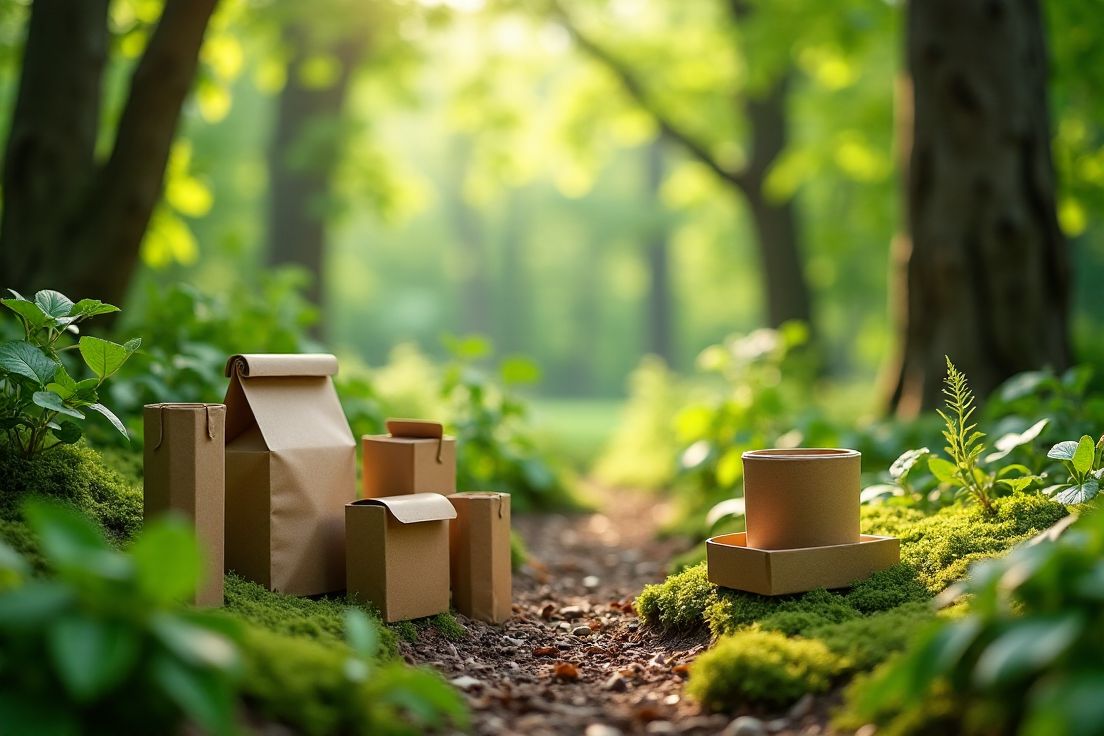
Paper packaging is often viewed as a more favorable option due to its biodegradable nature. When discarded, it breaks down much more quickly than plastic, reducing the time it remains in landfills. The decomposition process of paper materials involves natural microorganisms which help to return nutrients to the soil. In contrast, plastics can take hundreds of years to decompose, causing long-term persistence in landfills.
Moreover, paper products can be recycled effectively. Recyclability is a significant advantage because it decreases the demand for new raw materials. Recycling paper involves reprocessing it into new products, which in turn can lead to lesser deforestation compared to producing paper from virgin fibers. This cyclical use of materials helps reserve forests and maintain biodiversity.
The production process of paper packaging usually uses fewer harmful chemicals than many plastic alternatives. While some treatments enhance the durability of paper, they generally involve less toxic substances than those used in plastic manufacturing. This aspect contributes to a lower level of pollution and a reduced impact on ecosystems when compared to their plastic counterparts.
Although the production of paper does consume water and energy, advancements in manufacturing technologies have led to reduced resource use.
A Comparative Analysis
A closer look at paper and plastic packaging reveals key differences beyond their ecological implications. Paper packaging typically showcases a lower carbon footprint during production, primarily due to its reliance on renewable resources, such as trees. In contrast, plastic production involves fossil fuels, which have a more pronounced impact. The energy-intensive processes required to refine these fuels contribute significantly to greenhouse gas emissions.
When it comes to end-of-life scenarios, paper tends to fare better. While both materials can be recycled, the recycling rates for paper are generally higher, owing to established collection and processing systems. Plastics often face challenges in recycling due to various types and contamination issues, leading to a greater quantity ending up in landfills.
Furthermore, consumer perception plays a vital role in the acceptance and use of these materials.
Many people view paper options as more natural and less harmful, which influences their purchasing decisions. This sentiment often stems from the visibility of plastics’ environmental challenges in recent years, making paper packaging the preferred choice for many brands aiming to enhance their image.
The durability of both materials is another point of differentiation. Paper packaging, while generally less robust than plastic, can be treated to increase its strength, allowing it to hold up well under various conditions.
This table compares paper and plastic packaging with a focus on their perceived benefits and characteristics.
| Feature | Paper Packaging | Plastic Packaging |
|---|---|---|
| Environmental Perception | More natural and less harmful | Visible environmental challenges |
| Brand Image | Preferred for enhancing brand image | Often viewed negatively |
| Durability | Generally less robust | More durable and weather-resistant |
| Strength Treatment | Can be treated for increased strength | Inherently strong |
| Weight | Lighter but may tear easier | Heavier but more resistant |
| Recyclability | Widely recyclable | Varies, often less recyclable |
The Role of Recycling in Reducing Paper Packaging Waste
Recycling plays a crucial part in addressing the issue of paper packaging waste. By turning old paper products into new ones, recycling reduces the volume of waste that ends up in landfills. This process is not only efficient but also helps to conserve valuable resources, as it diminishes the need for fresh raw materials.
When consumers participate in recycling, they contribute to a cycle that extends the life of paper products.
This means that trees do not need to be cut down as often, allowing forests to remain more intact. Furthermore, recycling paper lowers the amount of energy needed to produce new paper, which in turn can help to lower emissions associated with production processes. The transformation of recycled paper into new packaging also leads to a decrease in the overall ecological impact compared to creating products from virgin fibers.
In many regions, recycling programs are well established, making it easy for individuals and businesses to participate.
Recycling paper has numerous benefits that extend beyond conserving trees and reducing energy consumption. Below are some key points highlighting the advantages of paper recycling:
- Trees are preserved, leading to healthier forest ecosystems and enhanced biodiversity.
- Recycling reduces the demand for raw materials, minimizing the environmental impact of harvesting trees.
- Lower energy consumption during paper production results in decreased greenhouse gas emissions.
- The production of recycled paper generates less waste, contributing to reduced landfill accumulation.
- Established recycling programs facilitate participation from individuals and businesses, promoting community engagement in recycling efforts.
The clear instructions on separating paper from other waste encourage more people to engage in these practices. When communities emphasize recycling education, it raises awareness about its benefits, leading to higher participation rates and ultimately resulting in a substantial decrease in paper packaging waste.
Moreover, the recycled paper industry has grown, creating jobs and fostering innovation in how paper is reused. Companies that invest in recycled materials often find that consumers appreciate their efforts, enhancing the brand reputation and consumer loyalty.
Through recycling, not only is paper waste managed more effectively, but valuable resources are constantly replenished, leading to a healthier cycle of production and consumption.
Biodegradability of Paper Packaging Compared to Plastic Options
When it comes to biodegradability, paper packaging stands out as a leading option compared to plastic. Paper typically decomposes within a few weeks to a few months, depending on conditions like moisture and temperature. The breakdown process involves natural microorganisms that convert the paper back into organic matter, enriching the soil in the process. This is a drastic contrast to plastic, which can take hundreds of years to break down.
In some cases, plastic merely fragments into smaller pieces, known as microplastics, which can persist indefinitely.
The clear decomposition timeline of paper means it often contributes less to long-term waste accumulation. In various environments, like landfills, paper can decompose even faster when exposed to oxygen. This not only alleviates landfill space but also returns valuable nutrients to the earth.
Conversely, plastic packaging tends to create accumulating waste that is difficult to manage, leading to environmental concerns.
Moreover, many modern paper packages are designed to be recyclable, which often goes hand in hand with their biodegradability. When paper products are recycled, they can become new products, extending their lifecycle while minimizing the need for virgin materials. In contrast, the recycling processes for plastics are often more complicated and less effective, resulting in lower recycling rates and substantial amounts being sent to landfills.
The Ecological Effects of Paper Packaging

Using paper packaging has positive effects on the planet, especially compared to plastic. One of the main advantages lies in its ability to decompose quickly. When paper products are left in the environment, they break down into organic matter within weeks or months. This fast decomposition adds valuable nutrients back into the soil, benefiting plant life.
Additionally, papers manufacturing process consumes fewer harmful chemicals, which means less overall pollution. Many modern paper products are designed to be biodegradable and recyclable, making them easier and more efficient to dispose of responsibly. This contrasts with plastics, which often release toxic substances during production and can lead to longer-lasting waste problems.
The energy needed to create paper packaging generally comes from renewable sources, such as trees, which can be replenished.
This is significant because using fossil fuels for plastic production contributes heavily to harmful emissions. By choosing paper, manufacturers can help reduce the energy demand that comes from non-renewable resources.
Moreover, the recycling process enhances the benefits of paper packaging. Recycling reduces the need for raw materials and minimizes waste.
As new paper products are created from recycled materials, fewer trees need to be cut down, helping the ecosystem thrive. This cycle not only preserves natural habitats but also supports biodiversity.
The growth of the recycled paper industry brings additional advantages by creating employment opportunities and encouraging innovations in product design and functionality. As businesses prioritize the use of recycled materials, they often find that their commitment resonates with consumers, who increasingly appreciate eco-friendly practices.
Paper packaging offers a range of benefits that are advantageous for both the environment and our everyday lives. Here are some key positive effects of using paper packaging:
- Decomposes rapidly, returning nutrients to the soil and promoting healthier ecosystems.
- Made from renewable resources, reducing reliance on finite natural materials.
- Lower energy consumption during production compared to plastic alternatives.
- Biodegradable and recyclable, which helps reduce landfill waste.
- Can be produced from post-consumer waste, contributing to a circular economy.
Biological Degradability of Paper Packaging
Biological degradability is a key feature of paper packaging that highlights its advantages. When exposed to the right conditions, paper can break down into natural components within weeks to months. This process is driven by microorganisms in the environment. These tiny organisms feed on the paper, turning it into compost or nutrient-rich soil.
The speed of this process means that paper packaging does not linger in landfills for long periods, unlike its plastic counterparts.
Fresh paper products decompose more quickly when they are maintained in damp conditions or come into contact with air. This means that even if paper products are discarded improperly, they still tend to degrade faster than plastic, which can persist for hundreds of years without breaking down effectively. Furthermore, the remnants of decomposed paper can enhance soil quality, benefiting plant growth.
Notably, many paper packages are designed to be biodegradable. This means they break down without leaving harmful residues behind. In contrast, certain plastics can release toxic substances as they break into smaller pieces, contributing to environmental concerns. The biological degradability of paper not only allows for cleaner landfills but also supports healthier soil ecosystems as nutrients are returned to the ground.
Many consumers appreciate this aspect of paper packaging. Understanding that a product will decompose naturally can influence their purchasing choices. This consumer preference has led to a greater demand for biodegradable materials, making manufacturers more likely to produce paper-based packaging solutions. The biological degradation of paper packaging, therefore, plays a significant role in shaping both consumer behavior and production practices in the packaging industry.
As consumer preferences shift towards environmentally friendly options, the importance of biodegradable packaging becomes increasingly evident. The following points outline the significance of paper packaging’s natural decomposition and its impact on market dynamics:
- Consumers are increasingly aware of the environmental impact of packaging materials, favoring products that minimize waste.
- The demand for biodegradable materials has prompted innovation and competition among manufacturers in the packaging sector.
- Paper packaging is often perceived as a healthier alternative to plastic, aligning with consumer values towards natural products.
- Manufacturers adopting paper-based solutions may gain a competitive advantage by appealing to eco-conscious shoppers.
- The shift towards biodegradable options reflects a broader trend in consumer behavior prioritizing long-term ecological benefits.
Paper vs Plastic Production
The method of producing paper and plastic involves different processes and raw materials that lead to distinct outcomes. Paper is mainly sourced from trees, which are harvested and processed to create pulp. The pulp undergoes mechanical and chemical treatments to remove impurities and convert it into paper. This process can involve using water and energy, but modern facilities work to minimize these resources.
The production of paper and plastic has distinct processes and impacts stemming from their respective raw materials. Here are some key points to consider regarding the production of these materials:
- The paper production process starts with the harvesting of trees, which are then transformed into pulp.
- Pulping can be achieved through mechanical methods, such as refining, or chemical methods, such as using solvents to break down fibers.
- Water plays a crucial role in both the pulping and paper-making processes, impacting water usage levels.
- Energy consumption varies across production facilities, with advancements aimed at energy efficiency.
- Plastic production generally involves petroleum-based chemicals, which are polymerized to create various types of plastic materials.
On the other hand, plastic production begins with fossil fuels. Oil and natural gas are extracted, refined, and transformed into polymers through heavy industrial processes. This typically requires higher energy inputs and generates more greenhouse gases compared to paper production. Additionally, the variety of plastics means different processes are used, complicating recycling efforts.
An important factor in comparing the two is the energy consumption involved. The energy needed for plastic production is significantly greater, contributing to its larger carbon footprint. In contrast, advancements in paper manufacturing have enhanced efficiency, allowing for a more energy-conscious approach.
Another difference lies in the chemical treatments used in each process.
Paper can be produced with fewer hazardous substances, leading to safer production environments. Plastic, however, often requires toxic chemicals, contributing to higher pollution levels during manufacturing.
The end products also offer different advantages and disadvantages. Paper is generally easier to recycle due to established systems, while plastic faces significant challenges as it often becomes contaminated and is made from many different types.
Carbon Footprint of Paper Packaging
The carbon footprint of paper packaging is an important aspect to consider when examining its impact compared to plastic. Generally, paper packaging has a smaller carbon footprint during its lifecycle. This is mainly because paper production frequently utilizes renewable resources like trees, which can be regrown over time. The emissions involved in harvesting, processing, and transporting paper are typically lower than those from petroleum-based plastic production.
Production methods for paper have improved significantly. Modern paper mills now utilize more efficient processes, which means they consume less energy and produce fewer greenhouse gases. When paper is recycled, the carbon emissions decrease even further. Recycling paper reduces the need for new materials, saving energy and lowering overall emissions associated with manufacturing.
Conversely, the production of plastic involves fossil fuels, leading to a much higher carbon output. Extracting, refining, and processing these materials requires substantial energy and generates considerable greenhouse gases. Additionally, the complexity involved in recycling plastic often means that a larger portion of it ends up in landfills, where it contributes to ongoing carbon emissions as it breaks down.
Environmental Impact of Paper Packaging

The environmental impact of paper packaging largely stems from its lifecycle, starting from production to disposal. One of the key factors is the renewable nature of paper. Trees, which are the primary raw material for paper, can be replanted and grown again. This approach allows paper production to be more regenerative compared to plastic, which relies on finite fossil fuels.
Moreover, the production of paper tends to generate fewer greenhouse gases compared to plastic manufacturing. While it’s true that paper production requires energy, advancements in processes have enabled manufacturers to reduce emissions. Many modern paper mills are also incorporating energy-efficient technologies, which contributes to a lower carbon output.
The end of life for paper products illustrates a significant environmental benefit.
Unlike plastic, which can persist in landfills for centuries, paper typically decomposes within a few months. This quick breakdown means it contributes less to long-term waste problems. Decomposed paper provides nutrients back to the soil, which can help plant life thrive.
Recycling plays a crucial role in maximizing the benefits of paper packaging.
When paper is recycled, it reduces the need for new materials and lessens waste. The recycling process for paper is often more straightforward than that for plastic, allowing for higher recovery rates. This ensures that more paper products are reused or transformed into new packaging materials, lowering overall environmental footprints.
Consumer awareness is also a significant factor in shaping the impact of paper packaging.
Comparative Biodegradability of Paper and Plastic Packaging
When comparing the biodegradability of paper and plastic packaging, the differences are clear and significant. Paper packaging is known for its ability to break down relatively quickly. Under ideal conditions, paper can decompose within weeks or a few months. This process involves natural organisms, like bacteria and fungi, which help convert the paper back into organic matter, ultimately enriching the soil.
On the other hand, plastic can take a hundred years or more to break down, with some types fragmenting into microplastics that can persist in the environment indefinitely.
The speed at which paper degrades makes it a suitable option for reducing long-term waste issues. In landfills, where oxygen is present, paper can break down even faster. This stands in stark contrast to plastic, which often remains intact for a very long time, leading to mounting waste problems.
In addition to decomposition rates, many paper products are designed to be recyclable, which often aligns closely with their biodegradability. This means that even when disposed of properly, they can be re-purposed into new paper products. On the other hand, the recycling processes for plastic can be complex. Different types of plastic also present challenges, leading to lower recycling rates and a higher chance of plastic waste ending up in landfills.
Energy Consumption in the Production of Paper vs Plastic Packaging
The energy consumption involved in making paper and plastic packaging reveals important differences. The production of paper packaging usually requires less energy compared to plastic. This is because paper is primarily sourced from renewable materials like trees, which can be regrown. The processes used in modern paper mills have become more efficient over time, reducing the overall energy needed for production.
On the other hand, plastic packaging is made from fossil fuels, such as oil and natural gas. The processes involved in extracting and refining these materials consume a significant amount of energy. This energy-intensive approach means that manufacturing plastic typically results in a larger ecological impact than producing paper.
In terms of production techniques, paper mills are increasingly adopting technologies that lower energy usage.
These advancements help lessen the overall carbon emissions associated with making paper products. Conversely, the complexity and variety of plastic manufacturing processes add to the energy demands in creating different types of plastic materials.
When it comes to recycling, paper again has an advantage. Recycling paper requires less energy compared to recycling plastic, helping to further minimize energy consumption in its lifecycle.
Overall, the differences in energy use between these two materials can help inform decisions regarding packaging choices.
Recycling Rates and Processes for Paper Packaging
Recycling paper packaging is an important process that helps turn old materials into new products. In many places, the recycling rates for paper are surprisingly high compared to other materials like plastic. This is largely because there are well-established systems in place that make it easier to collect, sort, and process paper products.
When paper packaging is sent to recycling centers, it goes through several steps.
First, the paper is sorted by type and quality. Contaminants, such as food residue or non-paper materials, have to be removed because they can interfere with recycling. After sorting, the paper is shredded into smaller pieces. This helps break down the fibers, making it easier to process.
Next, the shredded paper is mixed with water and chemicals to create a slurry. This mixture helps separate the fibers further. Once the fibers are separated, they can be cleaned and processed into pulp. The pulp can then be dried and formed into sheets of recycled paper.
Depending on the quality of the original paper, the end product can be used to create various items, including new packaging materials.
The recycling of paper not only cuts down on the need for new raw materials, but it also reduces energy consumption and greenhouse gas emissions during production. Its a win-win situation, as recycling paper packaging helps the economy while also being efficient and practical.
Some regions even have specific programs that encourage recycling paper.
Frequently Asked Questions
This FAQ section provides answers to some common questions regarding the environmental impact of paper packaging compared to plastic. It aims to clarify the benefits and considerations associated with both materials.
1. Why is paper packaging considered more ecological than plastic?
Paper packaging is considered more ecological because it is biodegradable, decomposing within weeks to months, and is made from renewable resources like trees. In contrast, plastic can take hundreds of years to break down and often contributes to long-term waste issues.
2. How does the production of paper packaging impact the environment?
The production of paper packaging generally produces fewer greenhouse gases compared to plastic. Modern paper mills have implemented energy-efficient technologies, which help to minimize emissions. Moreover, recycled paper reduces the need for new raw materials, conserving natural resources.
3. What are the recycling rates for paper compared to plastic?
Recycling rates for paper are generally higher than those for plastic due to established collection and processing systems. Paper is more commonly recycled, while plastics often encounter contamination and complexity issues that hinder effective recycling.
4. How does biodegradability affect waste management?
Biodegradability significantly impacts waste management, as paper breaks down into organic matter much faster than plastic. This rapid decomposition reduces the long-term accumulation of waste in landfills and returns nutrients to the soil.
5. What role does consumer perception play in the choice between paper and plastic packaging?
Consumer perception plays a critical role, as many individuals view paper packaging as more natural and less harmful than plastic. This positive perception influences their purchasing decisions, leading brands to favor paper options to enhance their image.
6. Are there disadvantages to using paper packaging?
While paper packaging has many advantages, it is generally less durable than plastic and may tear easier. However, treatments can be applied to enhance its strength, allowing it to hold up well under various conditions.
7. How can individuals contribute to the effective use of paper packaging?
Individuals can contribute by actively participating in recycling programs and ensuring that paper products are disposed of properly. By engaging in recycling efforts, they help to minimize waste and conserve valuable resources.
Conclusion
Paper packaging offers numerous benefits that make it a stronger choice compared to plastic. Its ability to break down quickly reduces waste and enriches the soil, while its recyclability conserves natural resources. Many modern paper products are made with fewer harmful chemicals, contributing to a cleaner environment.
Consumer awareness and preference for eco-friendly options have also bolstered the popularity of paper packaging.
Related Posts