
How to Choose the Right Paper for Direct Mail Campaigns
Choosing the right type of paper for your direct mail campaign can make a big difference in how your message is received. There are many paper options to consider, each with its own unique qualities.
For example, glossy paper can make your colors really pop, catching the eye of your audience, while matte paper provides a more elegant and professional feel. Understanding the purpose of your mailing and your audience will help you pick the best paper type to achieve your goals.
In this blog post, we will explore different paper types, finishes, and factors to keep in mind when selecting the ideal paper for your campaign. Let’s dive in to find the perfect option that will help your message stand out!
Selecting Your Ideal Paper Option

When selecting the ideal paper type, consider the purpose and audience of your direct mail campaign. Different projects require different qualities, so its essential to match the paper to the message you want to convey.
For example, if you’re creating promotional materials to catch attention, glossy paper can enhance colors and images, making them pop. This type of finish is particularly effective for visually driven campaigns.
When planning a direct mail campaign, it’s important to choose the right paper type that aligns with your goals and messaging. Below is a table summarizing different paper types, their characteristics, and suitable applications in direct mail campaigns.
| Paper Type | Finish | Color Enhancement | Best For |
|---|---|---|---|
| Glossy | Shiny | High | Promotional Materials |
| Matte | Non-reflective | Moderate | Formal Invitations |
| Satin | Semi-gloss | Moderate to High | Brochures and Catalogs |
| Textured | Rough or Linen | Varies | Luxury Promotions |
| Recycled | Varied | Varies | Eco-friendly Campaigns |
| Kraft | Brown, Uncoated | Low | Informal Messaging |
On the other hand, matte paper offers a sophisticated feel and works well for text-heavy pieces, offering a more professional look.
Weight is another important factor. Heavier paper generally feels more substantial, which can leave a lasting impression on recipients. Lighter paper might be more economical for bulk mailings, but it can also feel less valuable.
When considering the use of matte paper for various print projects, it’s essential to weigh the benefits it brings to the table. Here are key points to consider:
- Matte paper enhances readability and visual appeal, making it ideal for brochures and reports.
- The absence of glare on matte finishes allows for a more enjoyable reading experience.
- Matte paper is less prone to fingerprints and smudges, maintaining a clean appearance over time.
- Heavier matte paper options not only feel more luxurious but also convey a sense of importance to the recipient.
- While lighter paper can reduce costs, heavier options can strengthen brand perception through tactile quality.
Think about your budget alongside the desired impact.
Texture may also play a role in your selection. Textured papers can create a tactile experience that engages recipients, enhancing the overall appeal of your mailing. If your campaign aims for elegance, consider specialty papers like linen or laid finishes.
Always keep in mind the printing process as well. Some paper types work better with specific printing techniques, such as digital or offset printing. Make sure the paper you choose is compatible with your printing method to avoid issues that could arise from mismatched materials.
Finally, anticipate the effect of paper type on postage costs.
Types of Paper Finishes and Their Impact on Direct Mail
Paper finishes can significantly influence how your direct mail is received and engaged with by the audience. Each finish brings its own flair and characteristics that play a vital role in setting the tone for your message.
Glossy finishes, known for their shiny surfaces, make colors burst and details sharp. This makes them ideal for marketing pieces that rely heavily on visuals.
The vibrant appeal of glossy paper can be perfect for highlighting special offers or announcing events, capturing attention quickly and effectively.
Matte finishes offer a different approach. With their non-reflective surfaces, they lend a classic, understated elegance that is often preferred for more formal communications. This type of finish is suited for items where clarity and sophistication are paramount, such as business invitations or detailed reports.
Satin finishes sit between glossy and matte, providing a soft sheen that enhances image quality without overwhelming glare. This balance makes satin ideal for catalogs or brochures, where a polished appearance is desired, but readability remains a priority. It attracts the eye while ensuring the message comes through clearly.
Textured papers present a unique tactile experience that can set your direct mail apart.
The use of such finishes can evoke a sense of luxury and craft, especially in high-end promotional materials. A textured finish invites recipients to engage with the piece physically, which can increase the likelihood of retaining their attention.
Recycled and Kraft papers introduce a more organic feel, often connecting with audiences who appreciate a rugged and natural aesthetic. These finishes can be particularly effective for casual or conversational messages.
Exploring the impact of finishes in promotional materials can enhance brand perception and audience engagement. Here are some key points to consider:
- Textured finishes can enhance the tactile experience, making printed materials more memorable.
- The visual appeal of luxury finishes can elevate brand status and appeal to discerning customers.
- Recycled and Kraft papers convey authenticity and can foster a closer connection with target audiences.
- Using finishes that align with the brand’s message can create a cohesive and impactful marketing strategy.
- Physical engagement with promotional materials through texture can lead to higher levels of information retention.
Factors to Consider When Choosing Paper Weight and Thickness
Weight and thickness are crucial aspects to think about when selecting the right paper for your project. Heavier paper often provides a more premium feel, suggesting quality and importance. This can leave a positive impression on recipients. On the other hand, lighter paper can be more budget-friendly, making it a common choice for large mailings, even if it may feel less substantial in hand.
Thickness is another factor that impacts how the paper behaves during printing and folding. Thicker paper can handle detailed printing well, allowing for vibrant images and sharp text. However, it may lead to challenges like increased postage costs if the total weight of the mailing crosses certain thresholds. Additionally, thicker materials can create an upscale look appealing for formal communication.
When choosing paper for printing and folding, thickness plays a crucial role in determining the overall quality and feasibility of the project. Below are essential considerations regarding the thickness of paper:
- Thicker paper enhances vibrant colors and crisp text for high-quality printing results.
- It provides a professional and sophisticated look, ideal for formal documents such as invitations and business letters.
- Be mindful of postage costs, as thicker paper may lead to higher shipping expenses due to increased weight.
- Thicker materials can also affect folding precision, which may lead to creasing or uneven folds if not managed properly.
- Consider the intended use; thicker paper is preferable for projects that require durability and a premium feel.
When thinking about the purpose of your mailer, consider how weight and thickness will influence its effectiveness. For example, a glossy, heavy flyer might be perfect for an upcoming event, catching the eye with its sturdy appearance. In contrast, a lighter, matte leaflet may suit information-heavy content better, where clarity and readability are key.
Ultimately, balancing the weight and thickness with your budget and desired impact will guide you to select the right paper for your project.
Understanding how these factors affect perception and cost is vital for a successful direct mail campaign.
Maximizing Your Impact: The Difference Between Coated and Uncoated Paper
Coated and uncoated paper serve different purposes, and understanding their differences can greatly enhance the impact of your printed materials. Coated paper has a smooth finish that helps to produce sharp, vibrant images. This type of paper is ideal for materials that rely heavily on visuals, such as flyers, brochures, and catalogs. The coating allows for better ink absorption, resulting in higher color saturation and detail clarity.
Therefore, if your goal is to attract attention through bold graphics or photos, coated paper is typically the best choice.
On the other hand, uncoated paper provides a more natural, textured look. It absorbs ink differently, which can result in more muted colors and a softer presentation. This type of paper is often used for text-heavy documents, like letters, reports, or invitations.
Since uncoated paper has a tactile quality, it can enhance the reader’s connection to the content, making it feel more personal and approachable.
When choosing between these two, think about the message you want to convey. If clarity and color are your priorities, coated paper will likely serve you well. However, if your campaign focuses on conveying warmth and intimacy, uncoated paper might be more effective.
Consider also the audience and the environment in which your materials will be viewed. For instance, uncoated papers often resonate well in settings where a more laid-back approach is preferred.
Ultimately, your choice between coated and uncoated options can make a significant difference in how your message comes across and how it is received. Aligning your paper selection with your campaign goals can enhance the effectiveness of your communication materials.
Selecting the Perfect Paper Option
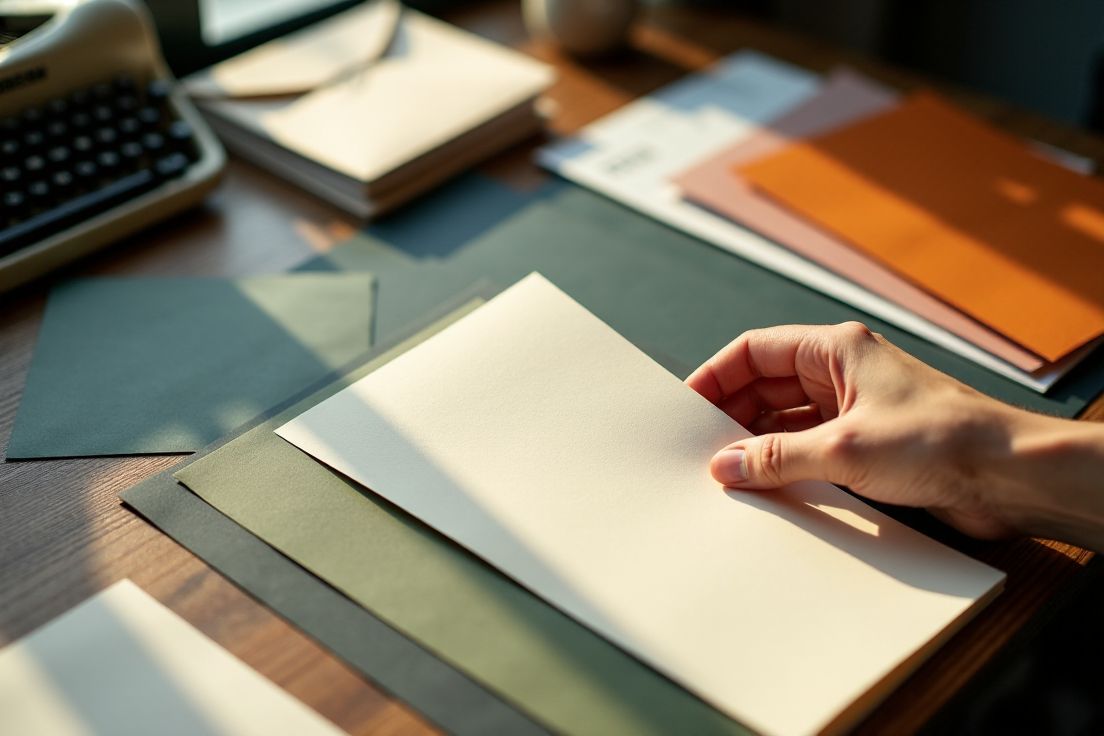
Choosing the perfect paper for your project involves more than just picking a color or a style. Its essential to keep in mind how the type of paper can influence the overall message and feel of your direct mail campaign. Consider what you want your audience to feel when they receive your materials. Options like glossy and textured papers often create excitement and luxury, while matte or uncoated papers can give off a more serious and refined vibe.
Think about the practical aspects as well. For instance, glossy paper is great for images and vibrant colors, but it might not be suitable for all types of messaging. If your piece is heavy on text, selecting a matte or satin finish can provide a more readable result. Make sure your choice aligns with the content you’re delivering to ensure a cohesive experience for the recipient.
Its also important to consider the physical characteristics of the paper. Heavier papers can feel more substantial and give a sense of quality, while lighter options may be more economical. If you plan to include special features, such as folds or cuts, ensure the paper you select can handle these elements without tearing or losing its intended look.
Moreover, your audiences preferences should guide your decision.
Paper Weight and Thickness Considerations
When navigating the world of direct mail, understanding paper weight and thickness is vital for crafting effective materials. A paper’s weight, usually measured in grams per square meter (GSM), indicates its density. Heavier paper options tend to exude a sense of quality, making them suitable for high-impact pieces. Conversely, lighter papers can be more cost-effective for bulk mailings, though they may lack the perceived value of their heavier counterparts.
Thickness plays a significant role too. It not only affects how the paper feels but also influences its performance during printing. Thicker papers generally produce sharper images and clearer text. However, they can also contribute to higher postage costs if the total mailing exceeds weight limits.
Be mindful of how thickness can impact design, especially for items that require folding or cutting, as thicker sheets can create challenges in these areas.
Ultimately, your choice between paper weight and thickness needs to align with the goals of your campaign. If making a strong impression is your objective, choosing a heavier stock can communicate that effectively. On the other hand, if you’re focused on delivering detailed information without overwhelming the recipient, a lighter paper might be the way to go.
Surface Finish Types for Direct Mail
When it comes to direct mail, the surface finish of your printed materials plays a key role in how they are perceived. Different types of finishes can evoke various emotions, capture attention, and convey the intended message effectively.
Glossy finishes are vibrant and eye-catching. They make colors appear brighter and images sharper, making them perfect for advertisements and promotional materials.
If you want your direct mail to stand out and capture immediate attention, glossy paper is an excellent choice.
On the flip side, matte finishes provide a more subdued look. They are non-reflective, which makes them ideal for text-heavy pieces. This finish can communicate professionalism and sophistication, suitable for formal invitations or official notices.
Matte paper is also less prone to fingerprints, ensuring that the materials remain clean and presentable.
Satin finishes offer a middle ground between glossy and matte. They have a smooth, soft sheen that enhances visuals without overwhelming glare. This makes satin a great option for brochures or catalogs, where both clarity and a polished look are important.
Textured finishes create a unique tactile experience. Such finishes can highlight luxury and craftsmanship, making printed materials feel special. When using textured paper, consider how it can engage recipients and create a lasting impression. This type of paper is often associated with high-end promotions.
Finally, alternatives like recycled and Kraft paper can lend a more authentic and rustic feel. These finishes work well for informal messaging and projects that aim for a casual tone. Recycled paper can appeal to those who appreciate its unique feel and natural aesthetics.
Choosing the right surface finish is vital for creating effective direct mail.
By considering your campaign’s goals and your target audience, you can enhance the overall impact of your printed materials.
Glossy vs Matte Paper Choices
When considering glossy versus matte paper for your direct mail campaign, it’s important to weigh the characteristics of each type. Glossy paper gives a vibrant, bright finish that enhances colors and makes images look sharp. This finish is ideal for promotional materials where catching the eye of the reader is a priority. It’s especially effective in campaigns focused on visuals, such as advertisements or event announcements.
On the other hand, matte paper presents a more subdued and elegant appearance. The non-reflective surface enhances readability, making it the go-to choice for text-heavy items. It is well-suited for formal communications like invitations and reports, where a polished, professional look is desired. Additionally, matte finishes resist fingerprints and smudges, helping to maintain a clean look over time.
Your choice can also reflect your brand’s personality. If your goal is to create excitement and draw attention, glossy finishes are a strong option. However, if you want to convey seriousness and sophistication, matte paper would be a better fit. Think about your target audience and how different finishes will resonate with them.
This ensures your material not only looks great but also connects with readers on a meaningful level.
The decision isn’t just about aesthetics; it also affects how your mail is perceived. Glossy paper can make your message feel bold and energetic, while matte can lend a sense of calm and trust. Aligning your choice with the message you want to communicate can significantly impact the overall success of your campaign.
Choosing the Right Paper Type

Choosing the right paper type can greatly impact the success of your direct mail campaign. Consider the tone and message you want to communicate to your audience. For bold promotions, glossy paper can highlight vivid colors and sharp images, making your materials eye-catching. If your campaign emphasizes professionalism, matte or satin finishes might be better suited, providing clarity and an elegant touch.
The texture of the paper can also influence your choice. Textured options can add a tactile element, making materials feel special and inviting. For eco-conscious projects, recycled paper offers a unique look that appeals to those interested in more natural aesthetics.
Its important to think about your audiences expectations.
Different groups may respond better to specific types of paper. For instance, younger audiences might appreciate vibrant, glossy materials, while older consumers may prefer classic matte finishes. Tailoring the paper to your target demographic enhances the likelihood of your message being well received.
Also, keep in mind the practical aspects of your project.
Heavier papers can convey a sense of quality while also impacting postage costs. If your campaign involves multiple folds or intricate cuts, ensure the paper you select is durable enough to handle these processes without compromising the overall design.
Ultimately, the right paper choice involves balancing aesthetics, practical considerations, and audience preferences. This thoughtful selection process can lead to more effective and engaging direct mail campaigns.
Understanding Paper Types for Direct Mail
Choosing the right paper type is a key step in making your direct mail materials effective. Different paper types have unique properties that can enhance your message and influence how recipients feel about your campaign. For instance, glossy papers are perfect for vibrant images and bright colors, making them ideal for promotional pieces. This finish helps catch attention quickly.
On the other hand, matte paper gives a more subtle and sophisticated look. This makes it a good choice for documents that are text-heavy, such as reports or formal invitations. The non-reflective surface of matte paper improves readability and maintains a professional appearance.
Texture also plays a critical role.
Textured paper adds a tactile element that can make your direct mail stand out. If you want to convey luxury or exclusivity, textured options can capture that essence effectively.
Additionally, consider how the paper type fits with your target audience. For example, if you’re aiming for a younger crowd, bright and glossy paper might resonate better, while older audiences might appreciate the elegance of matte finishes.
Understanding your audience’s preferences helps create a more engaging experience.
Weight and thickness are other essential factors. Heavier paper tends to feel more substantial, giving a sense of quality that can enhance the impression of your communication. However, keep in mind that lighter options can be more budget-friendly, especially for large mailings.
Striking the right balance between cost and impact is vital.
Finally, think about the overall message you want to convey. Your choice in paper type should match your campaign’s tone. Using glossy paper for fun and exciting promotions or matte for serious communications will help you connect with your audience effectively.
When selecting paper for your direct mail, consider the following points to ensure your materials achieve maximum impact:
- Weight and Thickness: Heavier paper conveys quality and professionalism, while lighter options can reduce mailing costs.
- Finish Variety: Matte finishes are ideal for text-heavy mailers, promoting readability, while glossy finishes enhance images.
- Texture: Textured paper can add a tactile element that engages recipients and makes your mail piece memorable.
- Color Options: White and natural shades offer classic looks, while colored paper can create eye-catching contrasts for headlines and calls to action.
- Coating Types: Coated papers can provide additional protection and vibrancy, extending the life of your mail piece and maintaining its appeal.
Factors to Consider in Paper Selection
When selecting paper, there are several important factors to keep in mind. First, think about the intended use of your paper. Will it be used for a promotional flyer, an invitation, or perhaps a report? Each type of project may require a different kind of paper that aligns with its purpose.
Next, consider the desired finish. Glossy finishes can make images look vibrant and are excellent for pieces where visuals are key. Meanwhile, a matte finish provides a sophisticated, less reflective surface that’s better for text-heavy materials. Evaluating what kind of impression you want to create is vital.
Texture is also a significant element. Smooth papers work well for clean designs, while textured papers can add a more luxurious feel. Think about how the texture might enhance or detract from your overall message.
A budget is another critical aspect.
While opting for high-quality weights can create a more substantial impression, it is important to balance this with your financial constraints, especially if producing large quantities. Heavier stock may leave a more lasting impression, but lighter options can be more cost-effective for mass mailings.
Additionally, keep in mind the audience you are targeting. Different demographics respond to various styles and qualities.
Impact on Direct Mail Quality
The quality of direct mail can significantly influence its effectiveness. When recipients receive a piece that has a higher quality paper, it can create a positive impression right away. Heavier and well-finished papers often signal that the content inside is important and worth their time, while lighter or cheaper materials might give off a less serious vibe.
Surface finish also plays a vital role.
A glossy finish can make colors more vibrant and images striking, which can attract attention quickly. This visual appeal can enhance the chances of the mail being opened and read. On the other hand, matte finishes can convey professionalism and clarity, making them suitable for serious messages. When recipients see a well-crafted mailer, they may take the time to engage with it more thoughtfully.
The texture of the paper adds another layer of interaction. Textured or specialty papers can evoke feelings of luxury and care. When someone holds a piece that feels unique, they are more likely to remember the brand or message associated with it. Tactile experiences can enhance emotional connections, making the mailing more memorable.
Choosing the appropriate paper type is crucial for achieving the desired outcome. If the goal is a premium feel, selecting heavier weights and high-quality finishes will elevate the overall perception. Alternatively, if a campaign focuses on delivering straightforward information, lighter and more read-friendly finishes might be the way to go. Understanding this alignment between paper choice and message helps ensure the direct mail stands out in today’s crowded marketplace.
Frequently Asked Questions
This FAQ section provides answers to common questions related to selecting the right paper type for your direct mail campaigns. Understand the impact of different paper qualities and finishes to enhance your marketing materials effectively.
Frequently Asked Questions
1. What factors should I consider when choosing a paper type for my direct mail campaign?
When selecting a paper type, consider your campaign’s purpose, desired finish, audience preferences, weight, thickness, and budget. Each factor influences how your message is perceived.
2. How does paper finish affect the outcome of direct mail materials?
Paper finishes, such as glossy, matte, satin, and textured, significantly impact the visual appeal and readability of your materials. Glossy finishes are great for vibrant images, while matte finishes enhance clarity for text-heavy pieces.
3. Why is paper weight important in direct mail?
Heavier paper typically conveys higher quality and importance, leaving a lasting impression on recipients. Lighter paper may be more economical for bulk mailings but can feel less substantial.
4. What is the difference between coated and uncoated paper?
Coated paper has a smooth finish that enhances color vibrancy and image sharpness, making it suitable for visual-heavy materials. Uncoated paper offers a more natural look and feel, better for text-heavy documents.
5. How can I ensure my paper choice aligns with my target audience?
Understand your audience’s preferences and what types of paper resonate with them. Younger audiences may prefer the brightness of glossy prints, while older consumers might value the elegance of matte finishes.
6. Are there specific applications for each type of paper finish?
Yes, for example, glossy paper is ideal for promotional materials, matte paper works well for formal invitations, satin finishes are suitable for brochures, and textured papers convey luxury in high-end promotions.
7. How does texture influence the effectiveness of direct mail?
Texture adds a tactile element that can enhance engagement and create a memorable experience for recipients. Textured papers often evoke feelings of luxury and care, making them stand out.
Conclusion
Selecting the right paper type is key to making your direct mail campaign effective. Remember to think about the message you want to send and how each paper option can support that. Whether you choose glossy for vibrant visuals or matte for a professional touch, make sure it aligns with your goals.
Also, consider how the weight and texture of the paper can affect how your audience perceives your message.
Related Posts