
How Paper Can Improve the Perception of Your Brand
When it comes to branding, the choice of paper is more important than many people realize. The type of paper you use can greatly influence how your message is perceived by customers. Different finishes can evoke different feelings; for example, glossy paper may suggest modernity and creativity, while matte or textured paper can convey elegance and tradition.
Understanding the impact of paper can help businesses create a strong brand identity. In this blog post, we will explore how the right type of paper can enhance your brand’s image and connect with your audience on a deeper level.
The Impact of Paper on Brand Identity

When it comes to branding, the choice of paper can significantly influence how your message is received. Different types of paper can evoke distinct feelings and associations. For instance, a glossy finish might suggest modernity and creativity, while textured or matte paper can convey elegance and tradition. Selecting the right texture and weight not only enhances visual appeal but also adds a tangible element that can deepen customer engagement.
When selecting paper for branding, understanding the different types of paper and their effects on perception can be crucial. Here’s a comparison of various paper types and the feelings they often evoke:
| Paper Type | Finish | Feelings/Associations |
|---|---|---|
| Glossy | Glossy | Modernity, Creativity |
| Matte | Matte | Elegance, Sophistication |
| Textured | Textured | Tradition, Quality |
| Recycled | Varied | Consciousness, Uniqueness |
| Uncoated | Uncoated | Natural, Honest |
| Heavyweight | Varied | Durability, Luxury |
| Lightweight | Varied | Casual, Informality |
A well-designed packaging or printed material can reinforce brand values. High-quality paper can communicate reliability and professionalism, making a favorable impression on clients and customers. This perception can elevate your brand above competitors who may choose less impactful materials, thus creating a memorable experience.
Moreover, consistency in the use of paper across various brand touchpoints strengthens brand identity.
Whether youre using business cards, brochures, or product packaging, maintaining a cohesive look with a specific type of paper helps people recognize your brand easily. This recognition fosters trust, which is essential for establishing long-term relationships with customers.
In addition, the visuals on the paper, such as colors and graphics, can resonate with your target audience’s preferences, enhancing connection and loyalty. The interplay between your design choices and the papers qualities creates a full sensory experience, making your branding efforts more effective.
The Emotional Impact of Paper Quality on Brand Perception
The quality of paper used in branding can create strong emotional responses from customers. When someone receives a product or brochure, the first thing they often notice is the feel of the paper. Smooth, high-quality paper can make a person feel valued, while flimsy or rough paper may lead to disappointment. This immediate tactile experience plays a vital role in shaping their perception of the brand.
Furthermore, customers often associate certain paper types with specific values. For instance, sturdy paper can suggest that a brand is reliable and trustworthy, while eco-friendly options might appeal to a customer’s sense of responsibility. This connection between paper quality and brand values can influence how customers emotionally engage with a company.
Additionally, the decision to use premium materials can help evoke feelings of luxury and exclusivity.
When a brand opts for heavier or uniquely textured paper, it communicates that they care about details and quality. This can enhance customer loyalty, as many consumers prefer to associate themselves with brands that reflect their own values and desires.
A strong emotional response can also be tied to the overall customer experience. When high-quality paper is used, it elevates an ordinary transaction to something more meaningful.
The Aesthetic Appeal of Different Paper Types in Branding
Different paper types can greatly enhance the visual appeal of a brand. The right choice can make the branding materials feel more engaging and impactful. For instance, glossy paper often adds a vibrant, eye-catching quality, perfect for brands looking to convey energy and innovation. On the other hand, matte finishes offer a softer look that can suggest refinement and sophistication.
Choosing the right paper type is essential for creating memorable branding materials. Different finishes can communicate various brand attributes effectively.
- Glossy Paper: Ideal for creating vibrant visuals that attract attention and exude a dynamic presence.
- Matte Paper: Offers a sophisticated and understated look, enhancing elegance in branding materials.
- Textured Paper: Adds a tactile element that can create a memorable experience for the audience, suggesting luxury and depth.
- Recycled Paper: Can convey a brand’s commitment to quality while promoting a natural aesthetic.
- Colored Paper: Allows for creativity and personality, enabling brands to stand out in competitive markets.
Textured paper types introduce a unique tactile quality. Brands aiming to express craftsmanship and authenticity can benefit from these options. The feel of the paper can invite customers to touch and explore, creating a memorable experience.
Using heavyweight paper not only reinforces the aesthetic appeal but also conveys a sense of quality and importance.
When customers hold something that feels substantial, it encourages them to see the brand as reliable and trustworthy. Similarly, lightweight paper might create a more casual and approachable feel, aligning well with brands that prioritize friendliness and accessibility.
Moreover, recycled paper can stand out due to its unique textures and colors, allowing brands to showcase their creativity. This type of paper often has a distinctive look that can attract attention and resonate with audiences who appreciate originality.
How Texture and Finish Influence Customer Engagement
Texture and finish play crucial roles in customer engagement by appealing to the senses and creating lasting impressions. When customers interact with a brand, the feel of the materials can greatly influence their experience. For example, a smooth, glossy finish invites a sense of energy and excitement, encouraging customers to explore more. In contrast, a soft, matte finish can evoke feelings of calm and sophistication, making the customer feel that the brand values quality and attention to detail.
Brands that utilize unique textures, such as embossed or linen finishes, can create a memorable tactile experience. This interaction often leads customers to spend more time with the product, which can enhance their overall engagement. When individuals can touch and feel the product, they are more likely to remember it, leading to a deeper connection with the brand.
Moreover, the choice of paper or material can reflect a brand’s identity and values.
Heavyweight papers often convey durability and reliability, which can instill customer trust. Meanwhile, lightweight and flexible materials might suggest approachability and ease. This alignment between texture and brand message helps to foster a stronger relationship with the audience.
The visual aspects also intertwine with the texture and finish of the materials.
The Impact of Paper on Brand Identity
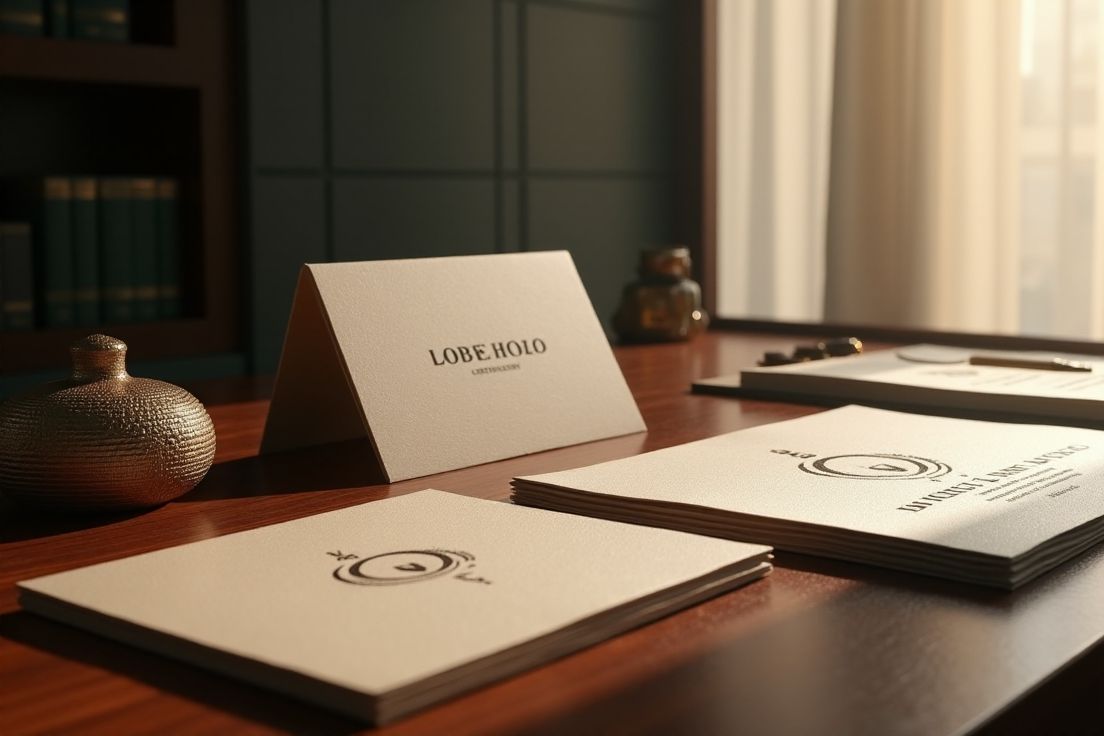
Understanding how paper acts in branding involves recognizing its influence on perception and emotion. The choice and quality of paper can enhance customer experiences by appealing directly to the senses. When someone interacts with a brand’s materials, the texture and weight of the paper contribute to their initial impression. High-quality, well-chosen paper can evoke feelings of importance and value, encouraging customers to engage more deeply with the brand.
Brands that invest in quality materials often find that it pays off in customer loyalty. When consumers touch a product flyer or packaging made from sturdy, luxurious paper, they are more likely to associate the brand with higher standards and care. This connection between paper quality and brand image can highlight the brand’s commitment to excellence.
Moreover, the way paper looks and feels can guide how people perceive a brand’s personality.
Those opting for unique papers with interesting textures can establish an identity that feels distinct and creative. This differentiation is important in crowded markets, as it helps brands stand out and stay memorable.
Even small details, like the type of finish or weight of the paper, can carry significant meaning. Heavyweight options may signal reliability, while lighter materials might suggest a fun, casual approach.
By tailoring these choices to the brand’s message, businesses can create a more cohesive identity that resonates with their target audience.
Additionally, brands can use paper to reinforce their values and missions. For example, choosing a specific type of paper can communicate messages that align with brand philosophy. This thoughtful selection process ties back to how potential connections with consumers can be formed through tangible experiences that affect emotional responses.
The Impact of Paper Quality on Brand Perception
The quality of paper used in marketing materials significantly affects how customers perceive a brand. Consumers often form opinions based on the first interaction with a product, and the paper quality plays a vital role in shaping those opinions. High-quality paper tends to enhance feelings of trust and professionalism. When customers receive a brochure or packaging that feels premium, they are more likely to view the company as credible and attentive to detail.
Additionally, the weight of the paper can send messages about the brand. For example, heavyweight options can convey strength and reliability, while thinner options might be seen as less substantial. This impression directly affects the customers emotional connection to the brand, influencing their likelihood of purchasing or recommending the product to others.
Moreover, paper quality can reinforce a brand’s identity and messaging.
When businesses choose materials that align with their brand values, it creates a cohesive experience for the customer. If a brand aims to appear luxurious or high-end, using thick, textured paper can strongly support that image. Conversely, brands targeting a youthful demographic might opt for more vibrant, lighter papers to reflect energy and fun.
The feel of the paper can also elicit emotional responses.
Choosing the Right Paper for Your Audience
Understanding your audience is key when selecting paper for your branding. Different demographics have varied tastes, and what appeals to one group may not resonate with another. For example, a youthful audience might appreciate vibrant colors and playful textures, while a more mature audience may prefer sophisticated and refined materials. Consider the emotions you want to evoke in your audience and choose paper that aligns with those feelings.
Additionally, think about the purpose of your materials. If you’re promoting a luxury product, heavyweight or textured paper can help convey quality and exclusivity. On the other hand, lightweight or recycled options might be more suitable for casual or eco-conscious brands. Its essential to match the paper choice with the message you wish to send.
Getting feedback can also provide insights. Conduct surveys or focus groups to learn what types of paper your target audience finds appealing. This engagement can clarify preferences and ensure that your materials resonate with those you want to connect with.
Finally, maintain consistency across all your branding materials.
The Role of Texture and Finish in Branding Materials
Texture and finish in branding materials can create a strong impression that influences how customers feel about a brand. The tactile experience of touching a material adds another layer to the overall message. For example, textured finishes can evoke a sense of craftsmanship and quality that resonates with consumers seeking authenticity. When customers run their fingers over an embossed surface or a rough finish, they are engaging with the product in a meaningful way.
The visual appearance also plays a crucial role. A glossy finish can catch the eye and make colors appear more vibrant, which may attract attention and create excitement. In contrast, a matte finish presents a more subtle and sophisticated look, potentially appealing to an audience that values understated elegance. The visual and tactile aspects come together to form a complete experience that customers will remember.
Moreover, the way a material feels can reflect the brands values. High-quality textures suggest reliability and care, while lighter, more flexible materials can give off a casual, approachable vibe. This alignment between the material choice and brand identity builds trust and encourages deeper connections with customers.
Finally, these choices not only enhance how a brand is perceived but also affect its memorability.
Understanding the Role of Paper in Branding

Choosing the right type of paper for branding plays an important role in shaping how people see and feel about a brand. The paper not only represents the brand visually but also affects the emotions of customers. For example, high-quality paper can create feelings of trust and professionalism. When a customer touches a well-crafted brochure or packaging, it can make them feel special and valued.
When it comes to branding, the selection of paper is a crucial factor that influences customer perceptions and emotions. Here are some key points to consider:
- High-quality paper can enhance brand perception, conveying a sense of luxury and exclusivity.
- The texture of the paper can evoke specific feelings; for instance, a smooth finish can signify modernity while a textured paper can communicate warmth and approachability.
- Color and weight of paper can significantly impact visibility and attention, making messages more memorable.
- Different finishes, such as matte or glossy, can alter how light interacts with the printed material, adding depth to the visual presentation.
- Custom paper shapes and sizes can create unique brand experiences, setting a company apart from competitors.
Using unique paper types can help a brand stand out in a crowded market. A brand that uses textured or heavyweight paper sends a message that it cares about quality and detail. In contrast, lighter papers might convey a fun and playful approach, appealing to a different audience. The choice of paper can reflect the personality of the brand and its values.
The interaction customers have with paper can leave a lasting impression. Something as simple as the weight or finish of the paper can trigger specific feelings, influencing how likely they are to remember and trust the brand. Brands that take time to carefully select their materials often find that this attention to detail enhances customer loyalty.
Overall, the role of paper in branding goes beyond just a visual aspect.
The Aesthetic Appeal of Paper in Branding
The aesthetic appeal of paper in branding can have a powerful impact on how a company is perceived. When customers interact with materials made from visually appealing paper, they are often left with lasting impressions. Different finishes, colors, and textures can convey unique messages about a brand’s identity.
For instance, glossy paper is known for its reflective quality, making colors appear more vibrant.
This brightness can give a sense of excitement and energy, appealing to brands that want to showcase their modern or creative attributes. On the other hand, matte paper gives off a softer, more sophisticated look. It can suggest professionalism and a subtle elegance, making it suitable for brands that value tradition and class.
Textured papers offer an added layer of visual and tactile interest.
Whether it’s a linen finish or an embossed design, these textures invite touch. This physical interaction can create a more memorable experience for customers, making them feel more connected to the brand. Similarly, using heavyweight paper can convey a sense of importance and reliability. When customers handle a product made of sturdy material, they are likely to view the brand as one that prioritizes quality and care.
Innovative choices such as recycled or uniquely colored papers can help brands stand out in a crowded market. These options showcase creativity and can attract attention from consumers looking for original and distinctive products. The right paper can tell a story, reflecting the core values and aesthetic choices of the brand.
Ultimately, the aesthetic aspects of paper not only enhance the visual presentation but also influence emotional responses.
The combination of how paper looks and feels can contribute to a customers overall impression of a brand, shaping their willingness to engage and make a purchase.
Different Types of Paper and Their Impact on Brand Perception
Different types of paper can have a significant impact on how customers perceive a brand. Each paper type carries its own unique characteristics that can influence emotions and associations. For example, glossy paper often catches the eye with its shiny finish and vibrant colors, making it perfect for brands that want to convey energy and modernity. In contrast, matte paper offers a soft, elegant look that can suggest sophistication and simplicity.
Textured paper can provide a tactile experience that adds depth to a brand’s image. This quality can evoke feelings of luxury and craftsmanship, making customers feel like they are engaging with something truly special. Similarly, recycled paper can communicate authenticity and uniqueness, appealing to consumers who appreciate distinctive textures and stories.
Choosing heavyweight paper can enhance feelings of trust and importance.
When customers hold something substantial, they are likely to associate the brand with reliability and professionalism. Conversely, lightweight paper can create an impression of approachability and casualness, which might resonate well with a younger audience.
Additionally, the color of the paper plays an essential role in brand perception. Bold and vibrant colors can attract attention and suggest playfulness, while muted tones can convey elegance and calmness.
This visual element can strengthen the overall message a brand seeks to communicate.
Ultimately, the paper choice goes beyond aesthetics; it reflects the values and identity of the brand. By selecting the right paper type that aligns with their message, businesses can enhance their overall brand perception. This choice allows them to connect more deeply with their audience and foster stronger relationships.
The Texture of Paper and Its Influence on Customer Experience
The texture of paper plays a vital role in shaping how customers experience and connect with a brand. When customers touch or hold paper materials, its feel can create a significant impact. For example, a rough or textured paper can often give a sense of warmth and authenticity, making customers feel more engaged with the product or message it carries. In contrast, smooth or glossy paper may evoke feelings of modernity and excitement, appealing to customers who favor vibrant and energetic presentations.
Moreover, the weight of the paper can influence how customers perceive the brand’s quality. Heavyweight papers typically feel more durable and substantial, suggesting reliability and professionalism. When customers handle materials that feel robust, they are likely to associate those feelings with the brand itself, enhancing their overall experience.
On the other hand, lightweight paper can offer a more casual and friendly impression.
This can be especially inviting for brands that want to appear approachable. Thus, the texture and weight become key factors in establishing an emotional connection with customers.
Furthermore, unique textures like linen or embossed finishes invite interaction, encouraging customers to explore the material further. This tactile engagement can create memorable moments, bridging the gap between the brand and the consumer.
When customers feel invited to touch and experience the paper, it deepens their connection to the brand.
The experience of paper does not end with just touch; it also impacts visual perception. Textured paper can provide an appealing aesthetic, drawing attention and making materials stand out. This visual and tactile combination enhances the overall impression of the brand, reinforcing its identity and values in the minds of customers.
Frequently Asked Questions
This FAQ provides essential information regarding the influence of paper choices in branding, covering how paper quality and types can affect customer perceptions and experiences.
What role does paper quality play in branding?
The quality of paper can significantly enhance brand perception by conveying reliability and professionalism. High-quality paper can evoke feelings of trust and importance, making customers feel valued.
How do different paper types affect customer emotions?
Different types of paper, such as glossy, matte, or textured, can evoke distinct feelings. For instance, glossy paper can suggest modernity and creativity, while textured or matte papers often convey elegance and traditional values.
Why is consistency in paper type important for branding?
Consistency in paper type across various brand materials reinforces brand identity, making it easier for customers to recognize and remember the brand, which fosters trust and loyalty.
What impact does the texture of paper have on customer engagement?
The texture of paper can create a memorable tactile experience that influences customer engagement. Unique textures make customers more likely to interact with the material, enhancing their emotional connection to the brand.
How can brands choose the right paper for their target audience?
Understanding the target audience is crucial. Brands should select paper types that resonate with their demographic’s preferences, considering factors such as age, style, and the emotions they wish to evoke.
What visual elements should brands consider when selecting paper?
Brands should consider the finish, color, and weight of the paper, as these characteristics can significantly impact visibility and how the materials are perceived by the audience.
How does the choice of paper reflect a brand’s values?
The choice of paper can communicate a brand’s values and identity. For instance, premium materials can suggest luxury and exclusivity, while approachable materials can indicate friendliness and accessibility.
Conclusion
The role of paper in branding is crucial and should not be underestimated. By choosing the right paper type, businesses can communicate their values and enhance their brand identity. High-quality materials not only attract customers’ attention but also create a positive emotional response.
Investing in quality paper can lead to stronger connections with customers.
Related Posts