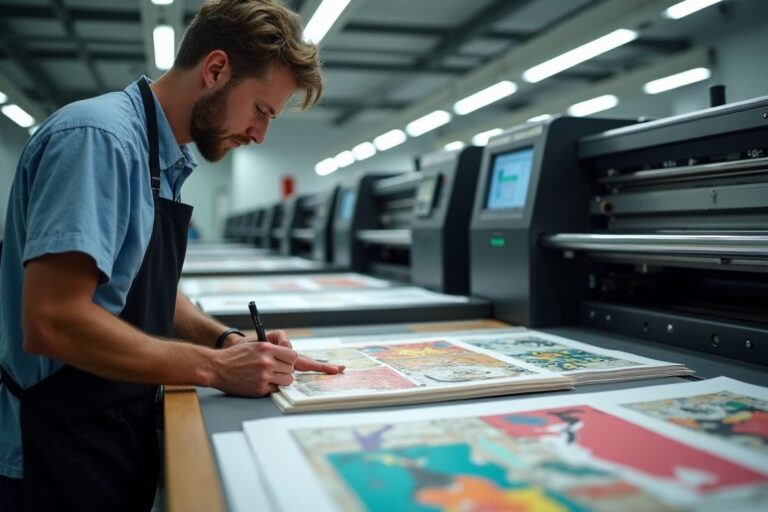
Why Paper Products are Crucial for Small Business Growth
Branding is an essential part of any business, and using paper products can make a big difference. When customers hold a beautifully designed business card, brochure, or any printed material, it creates a personal connection that digital ads often cannot.
These tactile experiences leave lasting impressions and help customers remember a brand long after they’ve encountered it. In a market filled with digital noise, high-quality paper products stand out, showcasing professionalism and attention to detail. This blog post explores the importance of branding with paper products and how they can significantly impact a business’s recognition and growth.
Maximizing Brand Impact Through Paper Products

One significant aspect of branding with paper products is the tactile experience they provide. When customers receive a beautifully designed business card, brochure, or thank-you note, they can physically touch and feel the product. This sensory interaction can create a memorable first impression, fostering a stronger connection to the brand.
Choosing the right paper, colors, and designs allows businesses to communicate their values and differentiate themselves from competitors.
High-quality materials can convey professionalism and attention to detail, while creative designs can showcase a brand’s personality.
In a world dominated by digital communication, tangible paper products can stand out and make a lasting impact. They can serve as a reminder of the brand long after the initial interaction. For small businesses, investing in thoughtful paper products can enhance recognition and trust, ultimately aiding in customer retention and growth.
Below is a table that highlights the benefits of using high-quality paper products for small businesses.
| Aspect | Benefit |
|---|---|
| Material Quality | Conveys professionalism and attention to detail. |
| Creative Design | Showcases the brand’s personality. |
| Tangibility | Stands out in a digital world and makes a lasting impression. |
| Brand Recognition | Enhances the brand’s visibility and recall. |
| Trust Building | Fostering trust with customers through thoughtful presentation. |
| Customer Retention | Aids in retaining customers through memorable interactions. |
| Growth Potential | Supports business growth through enhanced engagement. |
Paper products also facilitate effective storytelling. Through flyers, catalogs, or packaging, brands can narrate their journey, share their mission, or highlight their products in a way that resonates with customers. This storytelling aspect fosters engagement and builds emotional connections.
Incorporating branding into paper products is not just about aesthetics; it’s about creating an overall experience that can lead to loyalty and increased sales.
Well-crafted printed materials serve as a bridge between the brand and the consumer, enriching interactions and enhancing the overall business narrative.
The Role of Packaging in Brand Identity
Packaging plays a crucial role in establishing a brand’s identity. It serves as the first point of visual contact between a product and a consumer. A well-designed package grabs attention on crowded shelves and often influences a buyer’s decision to choose one product over another. The colors, fonts, and style used in packaging can convey important brand messages.
For instance, bright colors might suggest fun and excitement, while simple, elegant designs might communicate luxury and sophistication.
Moreover, packaging can tell a story about the brand. Through images and text, it can share the brand’s values, mission, or even the origins of the product. This narrative can forge a deeper emotional connection with consumers.
When customers feel they understand a brand’s story, they are more likely to develop loyalty and trust.
Additionally, the functionality of packaging can also reflect a brand’s identity. For example, easy-to-use packaging can demonstrate a commitment to customer convenience, while unique shapes can stand out and create an instant association with the brand. This uniqueness not only makes it memorable but also enhances overall product experience.
Mastering the Art of Impactful Business Card Design
Creating an impactful business card is essential for making a positive impression. A well-thought-out design reflects professionalism and can help establish your brand in the minds of potential clients. Start with your logo and choose colors that align with your brand identity. These design elements should be consistent with other materials you use so that they reinforce your overall message.
The layout of your card should be clean and easy to read. Make sure your name and job title stand out, as these are crucial for recognition. Including only the most necessary contact details, such as an email and phone number, can prevent clutter and confusion. Always ensure the font is legible and complements the design.
Think about the finish of your business card as well. A glossy finish can give a modern feel, while a matte finish can convey elegance. Embossing or unique textures can add tactile interest, making the card not only visually appealing but also memorable. The more distinctive the card, the more likely it will be remembered by those who receive it.
Another aspect to consider is how you present your card. Handing it over in a respectful manner, perhaps with a smile, can enhance the experience for the recipient. Additionally, having a small stack of cards handy allows you to share your contact information at unexpected moments when opportunities arise.
By carefully crafting a business card that reflects both your personal brand and the values of your business, you create a tangible reminder for clients that fosters recall and recognition, ultimately supporting your growth efforts.
Crafting Unique Stationery to Enhance Brand Identity
Custom stationery serves as an essential tool in reinforcing a brand’s identity. When businesses use letterheads, envelopes, or notepads that feature their logo and consistent color schemes, they boost their professionalism and ensure that their branding remains uniform across different touchpoints. This cohesive approach not only enhances recognition but also contributes to building trust with customers.
By choosing specific fonts and design elements that reflect a brand’s character, stationery becomes an extension of the overall branding strategy.
Every piece of stationery can tell a story about the business, whether through an elegant design that communicates sophistication or a vibrant look that suggests creativity and energy.
Moreover, custom stationery effectively bridges communication with clients. Whether sending a thank-you card or a formal letter, using branded stationery adds a personal touch that can elevate the customer experience. It leaves an impression that remains long after the paper has been put away.
The Significance of Utilizing Paper Products for Brand Identity
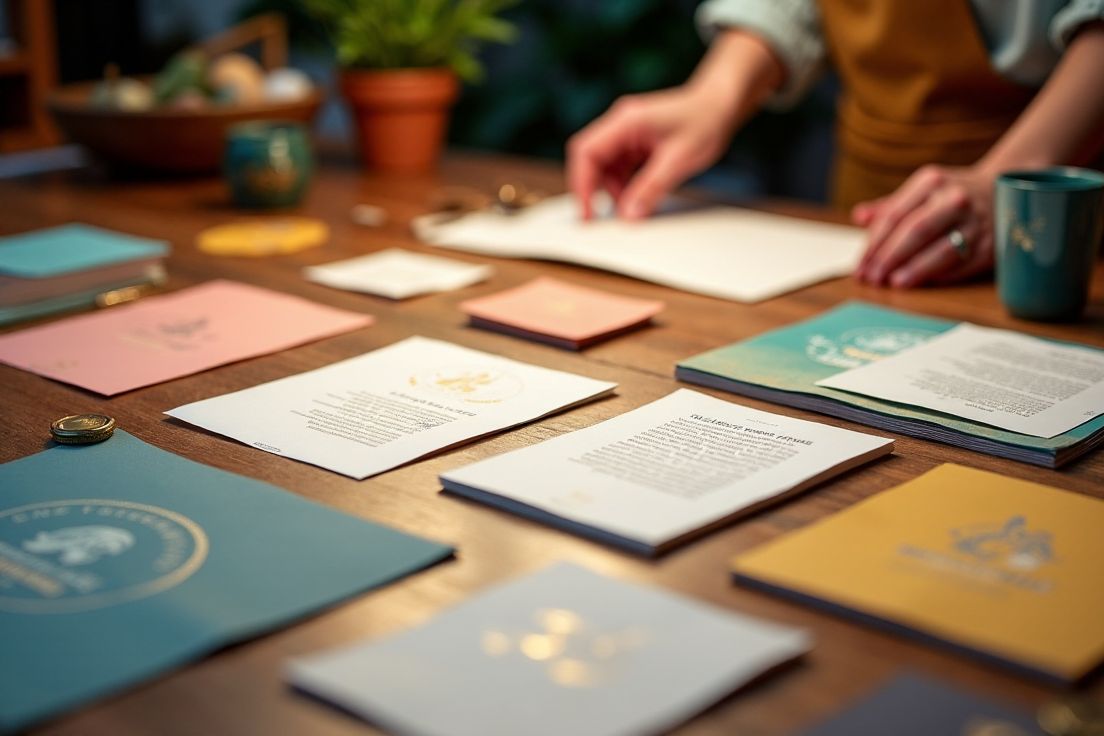
Branding with paper products is a powerful way to create a strong identity for any business, especially small ones trying to grow. When a company uses paper materials like flyers, brochures, and business cards, it helps establish a clear image in the minds of customers. These products can tell a story about what the brand stands for, making it more relatable and memorable.
Moreover, well-designed paper items allow brands to stand out in a busy marketplace.
Customers are often bombarded with digital advertisements, and receiving something physical can cut through the noise. The unique look and feel of paper products can capture attention better than an email or social media post.
Using high-quality materials sends a message about the brands commitment to excellence. When customers see a beautifully crafted business card or an eye-catching flyer, it boosts their perception of the company.
They are more likely to trust a brand that takes the time to create attractive materials.
The emotional connection that paper products can build is also crucial. A handwritten thank-you note or a personalized letter can make a customer feel special and appreciated. These small touches can create loyalty and encourage repeat business, which is vital for any small business seeking growth.
Custom Packaging’s Impact on Brand Identity
Custom packaging is essential for enhancing brand recognition. When a product arrives in unique and well-designed packaging, it creates an immediate impression. This visual appeal can grab attention and make consumers more likely to remember the brand. From the colors and fonts to the materials and shape, every element of custom packaging can communicate what a brand stands for.
Moreover, custom packaging can create a sense of excitement and anticipation. For instance, unboxing a product is often as memorable as the product itself. The presentation can enhance the overall experience, making customers feel valued and appreciated. When customers enjoy the packaging, they tend to share their experiences with others, extending the brands reach.
Additionally, custom packaging can reinforce a brand’s story. By incorporating elements that reflect the brands valuessuch as local artistry or relevant imageryconsumers can feel a connection to the product before they even open it. This storytelling helps to build a more profound emotional engagement.
The functionality of custom packaging also matters.
If a package is easy to open or store, it adds to the convenience for customers. This practicality shows that the brand cares about the consumer’s experience, which can lead to loyalty and repeat purchases.
In summary, the role of custom packaging in brand recognition is vital. It not only catches the eye but also creates memorable experiences, communicates brand messages, and fosters customer loyalty, all of which contribute to a businesss growth and success.
Elevating Your Professional Image with Effective Business Cards
Business cards play a vital role in shaping a professional image. They are often the first physical item potential clients or partners receive from you. A well-designed card helps create a memorable first impression, reflecting the quality and values of your business. When individuals hold your card, they are experiencing a piece of your brand, making the physical connection important.
Using high-quality materials can elevate your perception in the eyes of others. Thick cardstock, elegant finishes, and unique textures can suggest that you take your work seriously. This professionalism can make individuals more likely to trust you and your business. Moreover, a creative design can highlight your brands personality, further setting you apart in a crowded marketplace.
Including your logo, clear contact information, and a job title that resonates with your industry adds to the professionalism of the card. It allows others to quickly understand who you are and what you do. This clarity can prevent confusion and promote straightforward communication.
Presenting your business card with confidence also plays a part.
Handing it over with a smile can enhance the recipient’s experience and leave a positive impression, increasing the likelihood that they will remember you. This simple act of sharing your card can foster relationships and open the door to new opportunities.
The tangible nature of business cards offers a distinct advantage in a digital world. While emails and social media are essential, they can easily be forgotten.
Business cards serve as a powerful tool in networking and building lasting connections. Here are some key benefits of sharing your card:
- Creates a memorable first impression that can distinguish you from others.
- Facilitates face-to-face interactions that foster a sense of trust and connection.
- Provides a physical reminder of your meeting, which can increase referrals and follow-up conversations.
- Enhances your personal brand by showcasing your professionalism and attention to detail.
- Offers an easy reference for potential clients or contacts to reach you at their convenience.
A physical card makes a lasting impression, reminding the recipient of your connection long after the initial meeting. This durability is crucial for maintaining visibility in professional interactions.
In summary, business cards are a small yet powerful tool in enhancing a professional image. They provide a tactile experience that digital communications often lack, fostering immediate recognition and setting the stage for future interactions.
The Impact of Brochures on Customer Engagement
Brochures play a vital role in engaging customers and enhancing their experience with a brand. They provide concise information about products and services in a visually appealing format. When designed well, brochures can capture attention and encourage potential customers to explore further. Customers appreciate having printed materials they can hold and read at their own pace, unlike digital ads that often demand immediate attention.
Brochures provide a unique way to connect with customers and offer valuable information about offerings. Here are some key points highlighting their importance:
- Brochures create a tangible connection with customers, allowing them to engage with the content physically.
- They serve as a cost-effective marketing tool, providing detailed information without high digital advertising costs.
- Brochures can be widely distributed at various events, reaching audiences who may not be active online.
- A well-designed brochure incorporates branding elements, reinforcing brand identity through consistent visuals.
- They encourage customers to retain information longer compared to fleeting digital ads, enhancing recall and interest.
Using high-quality images and compelling text in brochures helps tell a brands story. This storytelling aspect can create an emotional response, making customers feel more connected to the brand. As they browse through a beautifully designed brochure, customers can visualize how a product fits into their lives, which can drive interest and desire to make a purchase.
Furthermore, brochures serve as a useful reference.
Customers can keep them as reminders of their interest or potential purchases. Unlike an email that can get lost in an inbox, a brochure can stay on a desk or coffee table, prompting ongoing engagement with the business. This physical presence can lead to follow-up conversations and increased chances of sales.
For small businesses, utilizing brochures effectively can lead to significant growth.
The Importance of Branding with Paper Products

Branding with paper products is especially important for small businesses seeking to make a mark in competitive markets. These physical items serve as tangible representations of the brand, making it easier for customers to remember and connect with a business. Creative and high-quality paper products can enhance brand perception, suggesting that a company is professional and pays attention to details.
Moreover, when customers receive something in their hands, it creates a more personal connection than digital ads can achieve.
A well-designed flyer, brochure, or card can leave a lasting impression, as people often remember the feel and look of these items long after they have interacted with them. They can also share these materials with others, extending the brand’s reach.
Using paper products also allows businesses to convey their story in a compelling way. For instance, brochures can highlight a brand’s mission, values, and unique offerings, helping to create an emotional bond with potential customers.
This storytelling aspect can significantly influence purchasing decisions, as customers tend to support brands they feel connected to.
Additionally, consistent branding across various paper products reinforces identity. When customers see the same logo, colors, and design elements, it strengthens recognition and trust. This consistency helps create an understanding of what the brand stands for, making it easier for customers to choose the business when making decisions.
Enhancing Customer Perception through Quality Paper Products
Delivering high-quality paper products can significantly boost how customers see a brand. When clients receive items like business cards, brochures, or menus made with quality materials, it reflects positively on the company. They are more likely to associate your brand with reliability and professionalism. This initial feeling can influence their choices and create a desire to engage further.
A well-crafted business card is more than just a contact method; it becomes a part of your identity. Textures and finishes can make a big difference. For example, a thick card with a smooth finish can leave a more lasting impression than a flimsy one. Similarly, brochures that use vibrant images alongside excellent copy can captivate attention.
Customers will find them appealing and informative, encouraging them to explore what the brand has to offer.
Another factor to consider is how physical paper products create a unique connection. Unlike digital advertisements that can be overwhelming or ignored, paper products invite readers in. They can hold them, flip through them, and absorb the information at their own pace.
This kind of interaction can make customers feel valued and appreciated, potentially leading to increased loyalty.
Custom stationery adds another layer to this experience. Sending a handwritten note on branded paper can establish a personal connection that digital messages often lack. This small gesture can profoundly impact how customers perceive your brand, making them feel special.
Building Brand Recognition with Consistent Paper Branding
Consistency in paper branding is vital for making a brand memorable. When businesses use the same colors, fonts, and logos across different paper products, it creates a cohesive look that helps customers recognize the brand easily. This uniformity builds trust and familiarity, making it easier for customers to remember the brand when they see it again.
Each touchpoint, whether a business card, brochure, or stationery, reinforces the brand’s identity.
For example, if a customer receives a beautifully designed flyer that matches the branding of a business card they already have, they are more likely to correlate the two and recall the brand in the future. This enhances brand recognition and makes it more likely that customers will choose your brand over competitors.
Moreover, consistent branding on paper products allows small businesses to stand out in crowded markets. Attractive, well-branded items can attract attention and spark conversations.
When people come across a stylish brochure or an elegant business card, they are more inclined to share that item with others, further spreading brand awareness.
Using high-quality materials in paper branding not only serves to create a good impression, but it also reflects a brand’s commitment to excellence. When customers see that a brand invests in quality paper products, they associate that quality with the products or services offered. This perception can play a significant role in customer decisions, driving them to choose your brand over others.
The Role of Custom Stationery in Small Business Marketing
Custom stationery is a vital component in the marketing toolkit of small businesses. By using items like letterheads, note cards, and envelopes that match their brand, businesses can create a strong visual identity that is easily recognizable. This consistency helps customers associate these materials with the business, fostering trust and loyalty.
When a small business communicates using custom stationery, it elevates its professionalism.
A well-designed letter or note shows that the company pays attention to details. This level of care can impress potential clients, encouraging them to take the business more seriously. People tend to remember businesses that present themselves well, making attractive stationery an essential asset.
Moreover, custom stationery allows businesses to add a personal touch to their communications.
Sending a handwritten note on branded stationery can make customers feel valued. This gesture can lead to stronger relationships, as customers appreciate the extra effort. Personalized touches leave a lasting impact, ultimately promoting word-of-mouth referrals.
Custom stationery also serves as a marketing tool.
Utilizing handwritten notes on custom stationery can greatly enhance customer engagement and brand loyalty. Here are some key benefits of this approach:
- Enhances customer perception of the brand, showing that you care about their experience.
- Encourages repeat business by fostering stronger emotional connections.
- Acts as a unique marketing strategy that distinguishes your brand from competitors.
- Creates opportunities for personalized communication, making customers feel special.
- Increases the likelihood of referrals, as satisfied customers are more inclined to share their positive experiences.
Including promotional material like flyers or samples with custom correspondence can inform customers about new products or special offers. This method keeps the business at the forefront of customers’ minds, increasing engagement and potential sales.
In a world filled with digital communications, receiving a beautifully crafted piece of stationery can stand out. It provides a tactile experience that digital messages cannot match.
Frequently Asked Questions
This FAQ addresses common questions regarding the importance of branding with paper products and their impact on customer engagement and business growth.
1. Why are paper products important for branding?
Paper products provide a tactile experience that creates memorable first impressions. They allow businesses to communicate their values through material quality and design, helping differentiate from competitors and enhance brand recognition.
2. How do paper products influence customer trust?
High-quality paper products convey professionalism and attention to detail, fostering trust with customers. Thoughtfully designed items create positive associations that make customers feel valued and appreciated.
3. What role does packaging play in brand identity?
Packaging serves as the first visual contact with consumers, influencing their decisions. Well-designed packaging communicates brand messages and values, helping establish a strong brand identity and emotional connection with the audience.
4. How can business cards create a lasting impression?
A well-designed business card reflects professionalism, showcases brand personality, and enhances recognition. Quality materials and creative layouts make business cards memorable, facilitating lasting connections.
5. What are the benefits of using brochures in marketing?
Brochures engage customers by providing detailed information in an appealing format. They create a tangible connection with potential customers, are cost-effective, and reinforce brand identity through consistent branding elements.
6. How does consistent branding across paper products enhance recognition?
Maintaining consistent colors, fonts, and logos across various paper products helps reinforce a cohesive brand image. This uniformity builds trust and familiarity, making it easier for customers to recall and connect with the brand.
7. Why is custom stationery beneficial for small businesses?
Custom stationery elevates professionalism and creates a strong visual identity. Personalized touches, such as handwritten notes, foster emotional connections with customers, enhancing engagement and encouraging repeat business.
Conclusion
Using paper products for branding is a smart move for any business, especially small ones. They help create a memorable identity that customers can touch and feel, making a real connection that digital ads often cant achieve.
High-quality materials and creative designs not only grab attention but also build trust. When customers see the effort placed into these products, theyre more likely to feel valued and appreciated, leading to loyalty and repeat business.
Related Posts