
How to Choose Paper for Packaging That’s Both Durable and Eco-Friendly
When it comes to packaging products, choosing the right type of paper is very important. Durable packaging paper helps ensure that items arrive safely at their destination without damage. There are several key factors to consider that can greatly affect the strength and longevity of the packaging paper you choose.
First, you should think about the weight and thickness of the paper. Heavier and thicker papers usually provide better protection against tears and punctures, which is especially important for heavy or fragile items. Additionally, the type of finish can impact how well the paper resists moisture and dirt, which is crucial for maintaining the quality of the packaged products. Understanding these elements will help you make the best decision for your packaging needs.
Key Considerations for Long-lasting Packaging Paper

When choosing packaging paper, several factors play a crucial role in ensuring durability. First, the weight of the paper is significant. Heavier weights generally provide better strength and withstand rough handling. Thicker paper reduces the risk of tears and punctures, making it ideal for transporting heavy items.
Additionally, the type of finish can affect durability. A coated or treated finish can offer extra resistance to moisture and dirt, protecting the contents inside. This is particularly important for products that may be exposed to humidity or spills.
The sourcing of the paper is another key consideration.
Using high-quality fibers can enhance the strength and lifespan of the packaging. A reliable supply chain for your materials also ensures consistent quality.
Moreover, proper storage conditions before use can impact the performance of packaging paper. Keeping it in a dry, temperature-controlled environment prevents moisture damage and maintains its durability.
Material Composition of Packaging Paper
The material composition of packaging paper is essential for determining its strength and suitability for various applications. Primarily, packaging paper is made from wood pulp, which can vary in quality and fiber length. High-quality pulp provides better tensile strength and durability. There are different types of wood pulp, such as kraft pulp, which is known for its robustness, and mechanical pulp, which is less strong but more economical.
Additives play a role in enhancing the papers properties. Fillers such as calcium carbonate and clay can improve brightness and smoothness but may reduce strength. Sizing agents, often starch or synthetic polymers, are applied to increase water resistance, making the paper more suitable for products exposed to moisture.
Furthermore, recycled fibers are increasingly used in packaging paper.
Incorporating recycled materials can lower costs while still providing adequate strength for many uses. The percentage of recycled content can vary, affecting not only the paper’s strength but also its visual appeal.
Understanding the balance of these components can guide businesses in selecting the right type of packaging paper. Each choice in material composition leads to distinct properties, influencing how well the paper performs in protecting the packaged product.
Weight and Thickness for Durability
When it comes to weight and thickness, both play a vital role in the durability of packaging paper. Heavier paper generally offers better strength, which is essential when handling products that might be subjected to stress during shipping or storage. A greater weight typically means the paper is denser, providing a sturdier barrier against impacts.
Thicker paper reduces the likelihood of damage, such as tearing or ripping, especially when dealing with sharp or heavy objects.
It gives an additional layer of protection that can be crucial in avoiding punctures that may compromise the integrity of the packaged items.
Moreover, using a combination of appropriate weight and thickness can lead to better performance in various environments. For items that require more robust packaging, selecting the right balance of these factors ensures that the paper can withstand the rigors of transport and handling without failing.
Ultimately, choosing the right weight and thickness tailored to the specific needs of your packaged goods can significantly enhance overall durability, making it a key consideration during the selection process.
Resistance to Moisture and Environmental Factors
For effective packaging, resistance to moisture and other environmental factors is crucial. Moisture can weaken paper, leading to tearing or compromising the safety of the contents inside. Choosing paper that is specifically treated for water resistance can ensure it holds up against spills, humidity, or condensation from cold products. This treatment can involve applying special coatings or using sizing agents that repel water, making the paper less permeable.
Environmental factors such as temperature and exposure to sunlight can also impact packaging performance. Extreme heat can weaken paper, while prolonged exposure to UV light can degrade its structure, causing brittleness. Therefore, selecting materials designed to withstand such conditions extends durability and prevents failure during transit or storage.
In addition to treatments, the choice of paper weight and thickness affects moisture resistance.
Understanding how environmental factors influence packaging material performance is essential for selecting the right materials for various conditions. Below is a table summarizing key factors affecting packaging durability.
| Environmental Factor | Effect on Packaging | Recommended Action |
|---|---|---|
| Temperature | Extreme heat can weaken paper materials. | Select temperature-resistant materials. |
| Sunlight Exposure | Prolonged UV exposure degrades paper structure, causing brittleness. | Use UV-resistant coatings or materials. |
| Moisture | High humidity can weaken paper integrity. | Choose moisture-resistant paper types. |
| Paper Weight | Weight influences durability and strength. | Opt for heavier paper for added strength. |
| Paper Thickness | Thickness affects moisture resistance and structural integrity. | Use thicker paper for better moisture control. |
Thicker papers often resist moisture better as they provide a more substantial barrier. However, even lightweight papers can perform well if they are properly treated. Its essential to consider packing requirements, as well as the environments that packaging will encounter during shipping and display, to select the most suitable option.
Ultimately, ensuring that packaging paper has appropriate moisture resistance and environmental durability is key for protecting products throughout their lifecycle.
This consideration not only safeguards the items themselves but also enhances overall customer satisfaction.
Key Considerations for Long-Lasting Packaging Paper
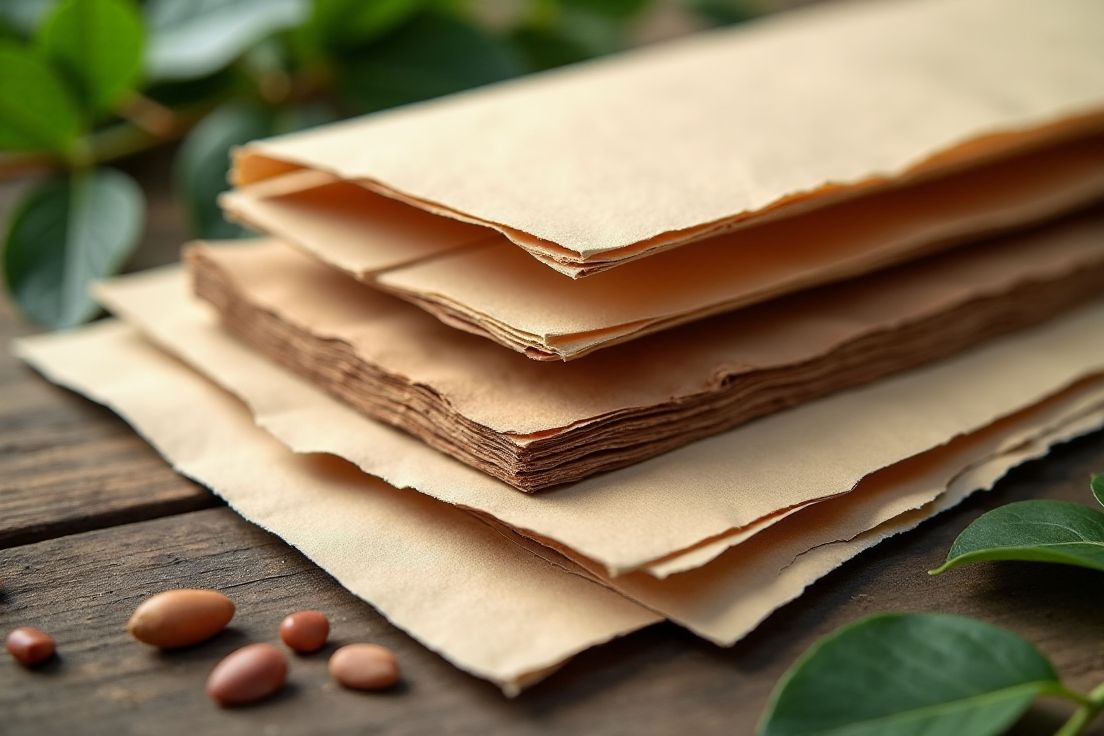
Another important factor to think about when selecting packaging paper is its level of flexibility. A paper that can easily bend or twist without breaking is often advantageous for various packaging applications. This characteristic allows for easier packing of products that may have unusual shapes and can help prevent damage during shipping.
The printability of the paper is also essential, especially for branding purposes.
Packaging that looks good can enhance the appeal of the product and help convey important information to customers. Choosing paper that accepts inks and coatings well ensures that designs remain vivid and clear throughout the distribution process.
Cost is an undeniable consideration, but it shouldn’t compromise the quality of the paper chosen. Balancing cost with performance and durability is essential for achieving the best results.
Sometimes, investing slightly more in higher quality packaging can save money in the long run by reducing product damage and increasing customer satisfaction.
Lastly, compliance with industry standards is crucial. Understanding the specific requirements for packaging in certain markets can protect against potential issues later on. Selecting paper that meets these standards will help ensure that your products arrive safely and maintain their quality throughout their journey.
Types of Paper Suitable for Packaging Durability
There are several types of paper that excel in durability for packaging purposes. Kraft paper is a popular choice due to its strength and tear resistance. Made from unbleached wood pulp, it provides a robust option for various packaging needs, especially for products requiring extra protection. The natural fibers in kraft paper give it a sturdy structure, making it suitable for boxes and bags.
Packaging materials play a crucial role in protecting products during storage and transportation. Among the various options available, certain types of paper are particularly noted for their durability and strength, with kraft paper standing out as a preferred choice.
- Strength and Longevity: Kraft paper is known for its exceptional strength, making it ideal for heavy items and frequent handling.
- Versatility: Suitable for a wide range of packaging applications, from boxes to bags, accommodating diverse product shapes and sizes.
- Tear Resistance: Its tear-resistant properties ensure that packaged goods remain secure, reducing the risk of damage during transit.
- Cost-Effectiveness: Kraft paper is often more affordable than other high-strength materials, providing a budget-friendly option for businesses.
- Customizability: Kraft paper can be easily printed on and customized, allowing businesses to enhance branding while maintaining durability.
Corrugated paper, commonly used for shipping boxes, is another excellent option. It consists of a fluted layer sandwiched between two flat layers, which enhances its strength. This construction allows it to withstand heavy loads and offers great cushioning for fragile items. This type of paper is also lightweight, making it ideal for minimizing shipping costs.
Coated paper, treated with a special layer to enhance appearance and durability, works well when moisture protection is necessary. It often has a glossy finish, making it suitable for food packaging or items that need a clean and appealing look. The coating can add an extra barrier against spills and humidity.
Additionally, bleached paper, while often associated with a smooth and bright appearance, can be durable if combined with the right additives.
It is used in products where a high-quality finish is important, such as gift boxes or retail packaging. The strength can vary based on the additives used during production, so it’s essential to select a type that meets specific durability needs.
Lastly, recycled paper can also offer good durability when properly processed. Its a solid choice for companies looking to reduce costs while still maintaining adequate strength for their packaging solutions.
Its effectiveness will often depend on the quality of the recycled fibers used in manufacturing.
Strength and Weight Considerations for Packaging Paper
When considering strength and weight for packaging paper, it is essential to understand how these factors affect its performance. Heavier papers generally provide greater strength, which is crucial for items that may experience rough handling. A denser paper forms a strong barrier against impacts, ensuring the packaged items remain safe during transport and storage.
The thickness of the paper also matters significantly.
Thicker paper helps to prevent damage like tearing or puncturing, especially when it is used for sharp or bulky products. By choosing a heavier and thicker option, businesses can create packaging that stands up to demanding conditions.
Additionally, the right combination of weight and thickness can enhance the material’s ability to protect items in various environments. For instance, if your products are more fragile or heavier, selecting the appropriate weight ensures resilience against potential damage.
Barrier Properties of Packaging Paper
Barrier properties of packaging paper are vital for protecting products during storage and transit. One of the main types of barriers is to moisture. Paper that is treated or coated can resist water and humidity, helping to keep contents safe from damage. This is especially important for food products or items that might be affected by spills.
Another key barrier aspect is air resistance. Packaging that can limit air exposure helps preserve freshness and prevents items from spoiling. Using materials that are dense and tightly woven contributes to preventing air from penetrating the packaging.
Additionally, grease and oil barriers are crucial for certain products, such as food items.
Papers that resist oil and grease prevent stains and leakage, ensuring the product remains intact and in good condition.
Light protection is also important, particularly for products sensitive to sunlight. Certain coatings and paper types can shield contents from UV rays, reducing degradation that might occur from prolonged exposure.
When selecting packaging paper, it’s essential to consider the specific barrier properties needed based on the products being packaged.
Effective barrier properties enhance the overall packaging performance and ensure that items are delivered in their best condition.
In packaging, the significance of effective barrier properties cannot be overstated. They are crucial for maintaining product integrity and quality during storage and transport. Here are key benefits of enhanced barrier properties:
- Prevents moisture ingress that can cause spoilage or degradation of products.
- Reduces gas permeation, preserving freshness and extending shelf life.
- Protects against contaminants and external pollutants that could compromise product quality.
- Enhances physical durability of packaging, ensuring items withstand handling and transportation stresses.
- Improves consumer confidence by ensuring products arrive in optimal condition.
Factors to Consider for Durable Packaging Paper

Another important aspect to consider is the flexibility of the packaging paper. Flexibility allows the paper to bend without breaking, making it easier to pack items that come in various shapes. This quality can help protect against damage during shipping since flexible materials can absorb shocks better.
Printability is also crucial for branding and communication.
A paper that holds ink well can enhance product appeal and ensure that important information is clearly visible. Choosing papers with good printability means that the designs will look sharp and vibrant, which can attract customers.
Cost is a significant factor when selecting packaging materials. While its essential to stick to a budget, the price shouldn’t be the only concern.
A slightly higher investment in quality paper can lead to fewer damages and greater customer satisfaction. Sometimes, saving on paper costs now might result in more expenses later due to damaged goods.
It’s also vital to ensure that the paper complies with any relevant industry standards. Knowing the specific requirements can prevent future problems.
Using materials that meet these standards helps guarantee that products will reach their destinations safely and without loss of quality.
Innovative Insights into Packaging Paper Materials
The material composition of packaging paper significantly affects its performance and effectiveness in various applications. Generally, it begins with wood pulp, the primary source of fiber. Among the different types, kraft pulp is favored for its strength, making it particularly useful in heavy-duty packaging. Mechanical pulp, while more economical, offers lower durability, which may not be suitable for all products.
Additives are often incorporated to improve specific properties. For instance, fillers such as calcium carbonate aid in achieving a brighter appearance and smoother finish, but they may compromise strength. Sizing agents can increase the papers resistance to water, enhancing its suitability for products that encounter moisture during transit.
It’s also common to see recycled materials in packaging papers.
Using recycled fibers helps lower production costs while maintaining reasonable strength and durability for various uses. The inclusion of these fibers depends on the quality of the recycled content, which is crucial for ensuring the paper meets performance standards.
A careful selection of these materials can lead to well-performing packaging papers tailored to meet specific needs. The combination and quality of fibers, additives, and the methods used in production play a vital role in the durability and effectiveness of the packaging paper.
Paper Robustness: Evaluating Weight and Thickness
Weight and thickness are essential factors influencing the durability of packaging paper. Heavier paper is typically stronger, offering better protection for items that may undergo stress during shipping or handling. A denser paper reduces the risk of tearing or puncturing, ensuring that the products are well-protected. Additionally, thicker paper provides an extra layer of defense against sharp or heavy objects, minimizing potential damage.
When selecting paper for packaging, striking the right balance between weight and thickness is important. This combination can enhance the paper’s resistance to wear and tear in various conditions. For instance, products that are fragile or heavier benefit significantly from appropriately chosen weight and thickness. Such choices lead to packaging that can endure the rigors of transport without failure.
Resistance to Moisture and Environmental Factors
Moisture and environmental factors can greatly affect packaging paper, making it crucial to choose the right materials. Moisture weakens paper, leading to damage such as tearing or loss of structure. To combat this, selecting paper that has been specifically treated to resist water is important. These treatments often involve coatings or sizing agents that make the paper less absorbent, ensuring that it can protect its contents from spills or high humidity.
Temperature extremes can also compromise the integrity of packaging paper. If the paper is exposed to extreme heat, it may become brittle and lose its effectiveness. Similarly, prolonged sunlight exposure can weaken the fibers, making the paper more susceptible to damage. Therefore, materials that can withstand varying temperature conditions should be prioritized.
Understanding how these environmental impacts affect the performance of packaging materials is key. The choice of paper weight and thickness is just as significant, as thicker papers tend to offer better protection against moisture and temperature changes. Properly treated lightweight papers can still perform well if designed for moisture resistance.
Its vital to assess the specific needs of the packaged items.
Frequently Asked Questions
Below is a collection of frequently asked questions regarding the selection and properties of durable packaging paper. This provides insights into the key considerations for ensuring effective packaging solutions.
What factors should I consider when choosing packaging paper for durability?
Key factors include the weight and thickness of the paper, the type of finish, the material composition, and proper storage conditions. Heavier and thicker papers generally provide better strength and resistance to tears.
How does the material composition of packaging paper affect its performance?
The material composition, primarily wood pulp quality, affects tensile strength and durability. Additives and recycled fibers used can also influence the properties of the paper.
Why is moisture resistance important in packaging paper?
Moisture can weaken paper, leading to potential damage to the contents. Using moisture-resistant paper ensures protection against spills and humidity during transit or storage.
What types of paper are best for durable packaging?
Kraft paper is well-known for its strength and tear resistance. Other options include corrugated paper for cushioning and coated paper for moisture resistance, depending on the product’s needs.
What role does paper weight play in packaging durability?
Heavier paper typically provides greater strength and resistance to damage, making it suitable for products that will experience stress during shipping and handling.
How can I ensure that packaging paper meets industry standards?
Research and understand the specific requirements for your market, and select paper that complies with these standards to avoid potential issues with product safety and quality.
What are the benefits of enhanced barrier properties in packaging paper?
Enhanced barrier properties help protect products from moisture, air, contaminants, and UV light, contributing to better preservation of quality and consumer confidence.
Conclusion
Choosing the right packaging paper is essential for ensuring that products arrive at their destination safely and in good condition. By understanding factors like weight, thickness, flexibility, and moisture resistance, businesses can make informed decisions that enhance packaging durability.
Investing in quality packaging materials can prevent damage and boost customer satisfaction. Remember, sometimes spending a little more upfront can save money in the long run by reducing returns and complaints.
Related Posts