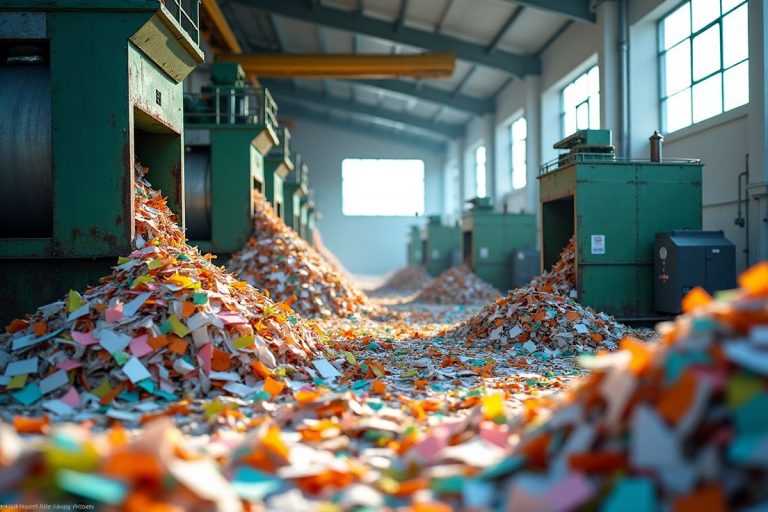
The Benefits of Choosing Eco-Friendly Paper Products
Choosing eco-friendly paper products can have a huge positive effect on our environment. Each time we pick recycled paper or products made from sustainable materials, we’re playing a part in protecting our forests and wildlife.
This simple choice helps lead to cleaner air and less waste. It also promotes the responsible use of resources in the paper industry. By supporting companies that care about the environment, we encourage new ideas and better practices that benefit everyone.
Eco-Friendly Benefits

Utilizing eco-friendly paper products makes a significant difference in preserving natural resources. These products often use recycled materials, which leads to less deforestation and a reduction in the number of trees cut down. Trees play a crucial role in maintaining air quality by absorbing carbon dioxide and providing oxygen. By choosing paper made from recycled sources, we can help preserve these valuable trees.
Moreover, eco-friendly paper manufacturing generally consumes less water and energy compared to traditional paper production methods. This decrease in resource usage means that there is less strain on our planet’s ecosystems. Utilizing renewable energy sources in the production process is also more common, further minimizing the carbon footprint associated with paper products.
Another noteworthy aspect is the reduction of waste in landfills.
Eco-friendly products often decompose more quickly than conventional papers, thus leading to less accumulation of waste. This not only helps maintain cleaner land but also supports healthier soil as the materials break down, benefiting local flora and fauna.
Promoting the use of these products encourages more companies to adopt environmentally friendly practices. As consumer demand for eco-friendly options increases, manufacturers are more likely to invest in greener technologies and processes.
This shift can spark broader changes in industries, leading to a positive cycle of improvement.
Impact of Using Recycled Paper Products
Choosing recycled paper products significantly cuts down on the amount of waste that ends up in landfills. When we use materials that have already served a purpose, we help limit the need for new resources and reduce the space occupied by discarded paper. This practice not only helps keep our surroundings cleaner but also diminishes the amount of harmful chemicals that could leach into the soil and water from decomposing paper.
Additionally, the energy costs associated with producing recycled paper are generally lower.
This means less reliance on fossil fuels, which translates to a decrease in air pollutants. When we make the switch to recycled materials, we assist in lowering the overall demand for energy-intensive paper production processes.
Another factor to consider is the impact on wildlife habitats. Using recycled paper means fewer trees are cut down, protecting the ecosystems that many animal species rely on for survival.
Healthy habitats are essential for biodiversity, and every tree preserved contributes to the stability of these environments.
Lastly, the promotion of recycled paper products serves as a message to industries. It showcases the benefits of making responsible decisions about resource use and encourages innovation in recycling technologies. This can lead to greater efficiency in resource management across various sectors.
Reducing Deforestation through Eco-Friendly Paper Choices
Choosing eco-friendly paper products is a simple yet effective way to help combat deforestation. Each time we opt for paper made from recycled materials or alternatives, we send a strong message that we value our forests. This choice means fewer trees have to be cut down to create new paper products. Preserving trees is important, as they provide vital habitats for countless species and play a fundamental role in the health of our planet.
In addition to using recycled content, we can also look for paper products that are certified by organizations focused on responsible forestry practices. These certifications ensure that the paper comes from well-managed forests, where tree planting and cutting are controlled to promote healthy ecosystems. By selecting products with these certifications, we contribute to sustainable forest management.
The impact of our choices extends to manufacturers as well.
Choosing paper products with responsible forestry certifications can greatly influence environmental practices and promote healthier ecosystems. Here are some key points to consider:
- Look for certifications such as FSC (Forest Stewardship Council) and SFI (Sustainable Forestry Initiative) that indicate adherence to responsible forestry standards.
- Support companies that prioritize ethical sourcing and demonstrate commitment to environmentally friendly practices.
- Encourage the use of paper products that are not only recycled but also sourced from sustainably managed forests.
- Be aware of the entire supply chain and its impact, selecting manufacturers that invest in responsible forestry initiatives.
- Promote awareness of the importance of forest health, ensuring that product choices reflect a desire for ecological balance.
As more people demand eco-friendly options, it encourages businesses to focus on responsible sourcing. This shift can lead to innovations in production methods that further minimize forest destruction and promote the use of renewable materials.
Moreover, educational initiatives play a key role. When communities and schools promote the benefits of eco-friendly paper, it raises awareness about the importance of trees and forests.
This awareness can inspire more individuals to make conscious choices in their daily lives, creating a ripple effect that contributes to broader change.
Efficient Water Use in Green Paper Manufacturing
Green paper production stands out due to its remarkable efficiency in water use. Traditional paper-making processes often require vast amounts of water, leading to significant consumption and sometimes even pollution. However, methods used in producing green paper prioritize minimal water utilization. This means that the same quality of paper can be achieved while using less water overall.
Advanced technologies and processes in green paper production streamline the water needed for manufacturing. For example, closed-loop water systems recycle water during the production phases, drastically cutting down on initial water intake. This not only conserves water but also reduces the burden on local water sources.
By reducing water usage in this way, green paper contributes to preserving vital resources.
Fewer demands on water supplies can benefit surrounding communities and ecosystems. When businesses adopt practices that minimize water consumption, they not only enhance efficiency but also positively impact their overall resource management strategies.
Overall, opting for eco-friendly paper products aids in lessening the demand for water in production processes. As more consumers choose these products, manufacturers are encouraged to further refine their techniques, leading to even greater water efficiency in the long run.
Eco-Friendly Benefits for Our Planet

When we make eco-friendly choices, we often see improvements in air quality. By using products that come from recycled materials, we reduce emissions that happen during the production process. Less energy is needed to create recycled paper compared to new paper, resulting in a smaller amount of harmful gases released into the atmosphere.
Furthermore, eco-friendly paper products are typically created with safer ingredients that limit toxin release.
This leads to healthier environments for both people and wildlife. The reduction of harmful substances helps to protect our water sources and keeps ecosystems thriving.
Investing in products that are better for the planet can inspire innovation. As more consumers pursue eco-friendly options, companies respond by developing better practices that prioritize the well-being of the environment.
This can lead to advancements in technology and manufacturing processes that are both efficient and respectful to nature.
Additionally, choosing paper made from alternative fiberslike bamboo or hempoffers a unique advantage. These materials grow quickly and require fewer resources, making them a smart option for producing paper without tapping into traditional forestry.
Supporting eco-friendly paper products helps to create a positive feedback loop.
Making eco-friendly choices not only benefits our environment but also significantly enhances our quality of life. Here are some key points highlighting the advantages of using eco-friendly paper products:
- Utilizing recycled materials decreases the demand for raw resources, preserving natural ecosystems.
- Eco-friendly paper production generally consumes less water, reducing strain on local water supplies.
- Safer ingredients in eco-friendly paper reduce health risks for consumers and manufacturers alike.
- Choosing recycled paper supports a circular economy, promoting responsible consumption and waste management.
- Improved air quality from reduced emissions leads to better overall public health and reduced healthcare costs.
Innovative Approaches to Paper Recycling for a Greener Future
Recycling paper products can greatly reduce the amount of waste generated in our everyday lives. By opting for recyclable paper, individuals contribute to a system that encourages the reuse of materials, which ultimately cuts down on the volume of new paper that needs to be produced. This approach reduces the need for virgin materials, leading to a smaller carbon footprint associated with paper production.
Moreover, when used paper is recycled instead of thrown away, it prevents piles of waste from accumulating in landfills.
The waste we produce from paper can take years to decompose, releasing harmful substances during the process. In contrast, recycling paper eliminates this burden. When paper is collected, processed, and made into new products, it not only lessens landfill waste but also conserves energy and reduces the overall environmental impact of paper use.
Additionally, encouraging the recycling of paper can foster innovative techniques in manufacturing.
By investing in new recycling technologies, companies can improve their processes, making it easier and more efficient to recover and reuse paper. This not only minimizes waste but also transforms what would have been discarded into valuable resources, leading to an effective recycling loop.
The benefits of recycling paper extend beyond just waste reduction. It helps create jobs in the recycling and manufacturing sectors, promoting a healthier economy.
Preservation of Natural Resources with Eco-Friendly Paper Choices
When we choose eco-friendly paper products, we play a crucial role in preserving our natural resources. By opting for recycled paper, we help keep forests intact. Every tree preserved contributes to the reduction of sunlight, air, and soil pollution. These trees not only provide habitats for wildlife but also help maintain a balanced ecosystem.
The production of eco-friendly paper typically uses significantly less energy than conventional methods, which is essential in decreasing our reliance on fossil fuels. This efficient use of energy translates to fewer emissions released into the air. Additionally, promoting the use of recycled paper helps lower the demand for raw materials, leading to reduced environmental degradation.
Furthermore, eco-friendly paper products usually rely on safer ingredients, which lessens the amount of harmful chemicals that enter our soil and water systems.
This practice helps safeguard our natural water sources and maintains the health of our local ecosystems.
Support for eco-friendly products can inspire companies to invest in better practices. This not only creates a ripple effect within the industry but also prompts further innovations that benefit resource management as a whole. When consumers favor eco-friendly options, it drives a market that prioritizes the sustainable use of natural resources.
Eco-Friendly Paper Production Reduces Environmental Impact
Eco-conscious paper manufacturing leads to decreased pollution in several important ways. One of the main factors is the reduced emissions associated with the production process. Traditional paper manufacturing often relies on fossil fuels, which release large amounts of greenhouse gases and other harmful pollutants into the air. In contrast, eco-friendly methods typically utilize cleaner energy sources, lowering the overall emissions significantly.
Furthermore, these innovative practices often involve using recycled materials, which require less energy to process than producing paper from fresh pulp. This shift not only saves energy but also diminishes the release of pollutants into the atmosphere. With fewer chemicals used in the production process, the associated toxic waste is also reduced, contributing to cleaner air and water.
In addition, the adoption of regulatory standards focused on emission reduction has led many paper manufacturers to improve their operations.
By complying with these regulations, they further cut down on pollutants and improve the quality of air around production facilities.
Effective waste management practices in eco-conscious manufacturing also play a vital role. Many companies have implemented systems to recycle waste materials and by-products. This means that less waste ends up in landfills, which helps in minimizing leachate pollution and the associated risks to soil and groundwater.
Environmental Benefits Unleashed

Opting for eco-friendly paper products can lead to a range of positive changes in our surroundings. By using materials that are recycled, we support a cycle that encourages responsible production and waste management. This choice not only lowers the volume of new paper needed but also diminishes the overall environmental burden connected to paper manufacturing.
Lower energy consumption during production processes is a key benefit.
Because producing recycled paper uses less energy, this translates to fewer greenhouse gas emissions. The cleaner production methods contribute to enhanced air quality, benefiting both human health and local wildlife.
The innovative use of alternative materials, like bamboo and hemp, also plays a significant role in minimizing the strain on traditional resource gathering. These materials grow quickly and require far fewer inputs compared to conventional trees, making them a vital part of eco-friendly paper manufacturing.
Recycled paper production offers numerous environmental benefits, including reduced energy consumption and improved air quality. The integration of alternative materials enhances these benefits further. Here are some key points regarding the advantages of using recycled and alternative paper materials:
- Reduced energy consumption during production leads to a smaller carbon footprint.
- Improved air quality from cleaner production methods, which supports human health.
- Enhanced habitat preservation as less deforestation occurs with the use of alternative materials.
- Bamboo and hemp grow rapidly, offering a more sustainable alternative to traditional timber sources.
- Lower resource input needed for alternative materials reduces overall environmental impact.
Additionally, the continuous improvement in recycling technologies means that companies are finding better ways to utilize waste. By turning what would typically be considered trash into new products, the life cycle of materials is extended, which reduces the overall demand for raw resources.
Each choice we make in favor of eco-friendly paper can encourage lasting changes. As more people opt for these products, manufacturers are motivated to develop even greener processes, further helping our planet.
Reduced Deforestation Through Eco-Friendly Paper Choices
Making eco-friendly paper choices significantly contributes to the reduction of deforestation. When individuals select paper made from recycled materials, they help lessen the demand for new raw materials, meaning fewer trees need to be cut down. This simple action supports the preservation of forests, which provide habitats for numerous species and serve crucial ecological functions.
Additionally, seeking out paper products that are certified by reputable organizations ensures that they come from responsibly managed forests.
These certifications verify that when trees are harvested, there are efforts to replace them. This results in a healthier and more balanced ecosystem overall.
Every time we choose recycled or certified paper, we positively influence the industry. Manufacturers respond to consumer preferences by adopting greener practices, leading to innovations in how paper is produced.
This means that as more companies embrace eco-friendly methods, the pressure to exploit virgin forests decreases.
Furthermore, educational efforts can amplify these benefits. When people understand the importance of their purchases, they are more likely to make informed decisions about the paper products they use. This awareness can encourage a larger movement toward eco-friendly paper choices, further diminishing the rate of deforestation.
Choosing eco-friendly paper options is a simple yet impactful way to contribute to the health of our forests and ecosystems. Here are some key benefits of making responsible paper choices:
- Reduces the demand for new raw materials, thus lowering the rate of deforestation.
- Supports the recycling industry, helping to create a circular economy.
- Preserves essential habitats for wildlife, maintaining biodiversity in forest ecosystems.
- Encourages responsible forestry practices by supporting companies that invest in sustainable sourcing.
- Raises awareness among consumers about the importance of making environmentally conscious choices.
Lower Carbon Footprint of Eco-Friendly Paper Products
Choosing eco-friendly paper products greatly contributes to a lower carbon footprint. The energy required to produce paper from recycled materials is generally less than that needed for new paper. This means that using recycled paper takes less energy and releases fewer greenhouse gases. By lowering energy consumption, we can significantly reduce the carbon emissions linked to paper production.
Moreover, many eco-friendly paper options utilize cleaner production methods. These practices often rely on renewable energy sources. When manufacturers use solar or wind energy, the overall carbon footprint of the paper products decreases even further. This shift from fossil fuels not only benefits the atmosphere but also promotes a healthier manufacturing landscape.
Another key aspect is the reduction in transportation emissions. Eco-friendly paper products are often sourced and produced locally. This proximity lowers the need for long-distance transportation, which in turn decreases fuel consumption and emissions related to shipping. By selecting products that are made nearby, consumers can have a direct impact on reducing their carbon footprint.
In summary, opting for eco-friendly paper products supports practices aimed at reducing carbon footprints.
Every small choice contributes to a larger positive impact in our effort to lower overall emissions associated with paper use.
Understanding the impact of our choices can help us make more informed decisions regarding paper use. Here are some actionable points to consider:
- Opt for digital communication when possible to reduce the need for printed materials.
- Choose paper products made from recycled materials to lower the demand for virgin resources.
- Print double-sided to effectively halve the amount of paper consumed.
- Encourage colleagues and friends to adopt paper-saving practices in their daily routines.
- Support businesses that prioritize eco-friendly printing practices and paper sourcing.
Enhanced Biodiversity Preservation
Making eco-friendly paper choices can significantly aid in preserving biodiversity. When we use recycled paper instead of traditional paper made from new trees, we reduce the number of trees cut down. Each tree is a vital part of its ecosystem, providing habitat and resources for many species. By choosing recycled options, we support the protection of wildlife and their natural homes.
Choosing eco-friendly paper options is an important step towards protecting our planet’s biodiversity. Here are some key points to consider:
- Reduces deforestation by minimizing the demand for new trees.
- Encourages the recycling industry, creating jobs and promoting resource efficiency.
- Helps maintain the balance of ecosystems that depend on trees for shelter and food.
- Decreases the carbon footprint associated with paper production.
- Promotes awareness and education about the importance of protecting wildlife habitats.
Understanding the impact of paper choices on biodiversity can help individuals and organizations make informed decisions. The table below highlights the differences between recycled paper and traditional paper, emphasizing the benefits of choosing recycled options for environmental health.
| Paper Type | Trees Required | Habitat Impact | Energy Used | Pollution Generated | Storage of Carbon |
|---|---|---|---|---|---|
| Recycled Paper | Minimal | Supports habitat conservation | Less energy-intensive | Lower pollution | Higher carbon storage |
| Traditional Paper | Multiple trees | Disrupts ecosystems | More energy-intensive | Higher pollution | Lower carbon storage |
| Recycled Paper Benefits | Reduces deforestation | Preserves wildlife habitats | Low energy consumption | Reduces waste output | Promotes carbon sequestration |
| Traditional Paper Consequences | Increased tree loss | Loss of biodiversity | High energy consumption | Increased emissions | Lower carbon capture |
| Consumer Action | Choose recycled | Advocate for eco-friendly products | Encourage reduced paper use | Support sustainable practices | Engage in carbon offsetting |
Theres also a distinct benefit from purchasing products certified for responsible forestry practices. These certifications ensure that any trees cut down are replaced, maintaining balance within the forest ecosystem. This thoughtful harvesting allows animals to thrive while also promoting healthy plant life.
Moreover, minimizing deforestation preserves complex habitats where various species interact and depend on each other.
Forests are not just a collection of trees but host intricate webs of life. Less disruption to these areas fosters a more resilient and vibrant biodiversity.
The use of eco-friendly paper materials also encourages innovation in manufacturing methods. As companies look for ways to produce green paper, they often discover techniques that further protect habitats and limit their ecological footprint.
This innovation may lead to the development of new products that rely on fibers that do not threaten existing wildlife habitats.
Every time a consumer opts for eco-friendly paper, they positively influence market trends. The demand for recycled and responsibly sourced paper can spur industries to adopt practices that prioritize the health of our ecosystems. This promotes a message that supports the preservation of various species and their environments.
Frequently Asked Questions
This FAQ section aims to address common questions regarding the advantages of using eco-friendly paper products. Understanding these benefits can help individuals and businesses make informed choices that positively impact the environment.
1. What are the environmental benefits of using eco-friendly paper products?
Eco-friendly paper products help reduce deforestation, conserve natural resources, and lower pollution levels. They often utilize recycled materials and consume less water and energy during production.
2. How does using recycled paper help reduce landfill waste?
Using recycled paper minimizes the amount of new paper that needs to be produced. This reduces the volume of waste that ends up in landfills, as recycled paper can be reprocessed into new products rather than discarded.
3. What role do certifications play in the selection of paper products?
Certifications such as FSC (Forest Stewardship Council) and SFI (Sustainable Forestry Initiative) indicate that the paper is sourced from responsibly managed forests. Choosing certified products supports sustainable forest management and conservation efforts.
4. How does eco-friendly paper production impact water usage?
Eco-friendly paper production generally requires much less water compared to traditional methods. Advanced techniques, such as closed-loop water systems, are often employed to recycle water during production processes.
5. In what ways can choosing eco-friendly paper improve air quality?
Using recycled paper typically results in lower energy consumption during production, leading to fewer greenhouse gas emissions. Additionally, safer ingredients in eco-friendly paper reduce toxin release, contributing to cleaner air.
6. How can consumers encourage the use of eco-friendly paper products?
Consumers can support eco-friendly practices by choosing recycled materials when purchasing paper products, advocating for responsible sourcing, and promoting awareness about the importance of sustainable resource use within their communities.
7. What is the significance of choosing alternative fibers like bamboo or hemp for paper production?
Alternative fibers such as bamboo and hemp grow quickly and require fewer resources compared to traditional trees. This makes them a sustainable option for paper production that can reduce the pressure on natural forests.
Conclusion
Choosing eco-friendly paper products is an easy way to make a positive impact on our planet. Every time you decide to use recycled paper or products made from sustainable materials, you’re helping to protect our forests and wildlife.
This small change can lead to cleaner air, less water usage, and a significant reduction in waste. By supporting companies that prioritize eco-friendly practices, youre encouraging innovation and responsible resource management in the paper industry.
Related Posts